
Are Baby Copperhead Bites Worse Than Adult Ones?
By IdentifyThese Editorial · · 4 min read
The claim turns up in almost every yard-snake discussion: the babies are the dangerous ones, because they have not learned to control how much venom they inject. It is stated with such confidence that it sounds like something entomologists worked out decades ago.
It is folklore. And it matters, because people act on it — treating a juvenile as an emergency and an adult as a nuisance, which gets the risk exactly backwards.
Where the story comes from
The idea has an appealing logic. A young animal is inexperienced; venom is a resource; therefore an inexperienced animal wastes it. Each step sounds reasonable and the conclusion follows.
The problem is that the first premise was never tested against snakes. It was reasoned from, and then repeated until the repetition became the evidence.
What was actually measured
Venom expenditure in pit vipers has been measured directly, by collecting what a snake injects into a target under controlled conditions. Two findings come up consistently:
- Snakes meter venom. The quantity injected varies with the size of the target, whether the strike is defensive or predatory, and how recently the snake last envenomated something. That is control, by any reasonable definition.
- Juveniles do it too. The metering behaviour is present in young animals. It is not a skill acquired with practice.
There is a real phenomenon nearby, which is probably how the myth acquired its scientific-sounding shell. In several rattlesnake species the composition of venom shifts with age — juveniles produce a more neurotoxic mix, adults a more tissue-destructive one. That is an ontogenetic shift in chemistry, not a failure of control, it is best documented in a few Crotalus species, and it is not the same claim.
The part the myth leaves out
Even if a juvenile did empty itself with every strike, it would still be delivering less venom than an adult, because it has less. Venom yield scales with the animal.
| Adult copperhead | Juvenile | |
|---|---|---|
| Typical length | 60–90 cm | 18–25 cm at birth |
| Venom glands | Full size | A fraction of adult volume |
| Worst-case delivery | The larger amount | The smaller amount |
A snake cannot inject venom it does not have. This is the whole argument, and it is why the bite records point the other way: severity in copperhead envenomation correlates with the size of the animal, not against it.
What is true about juveniles
Two things, and neither is about venom.
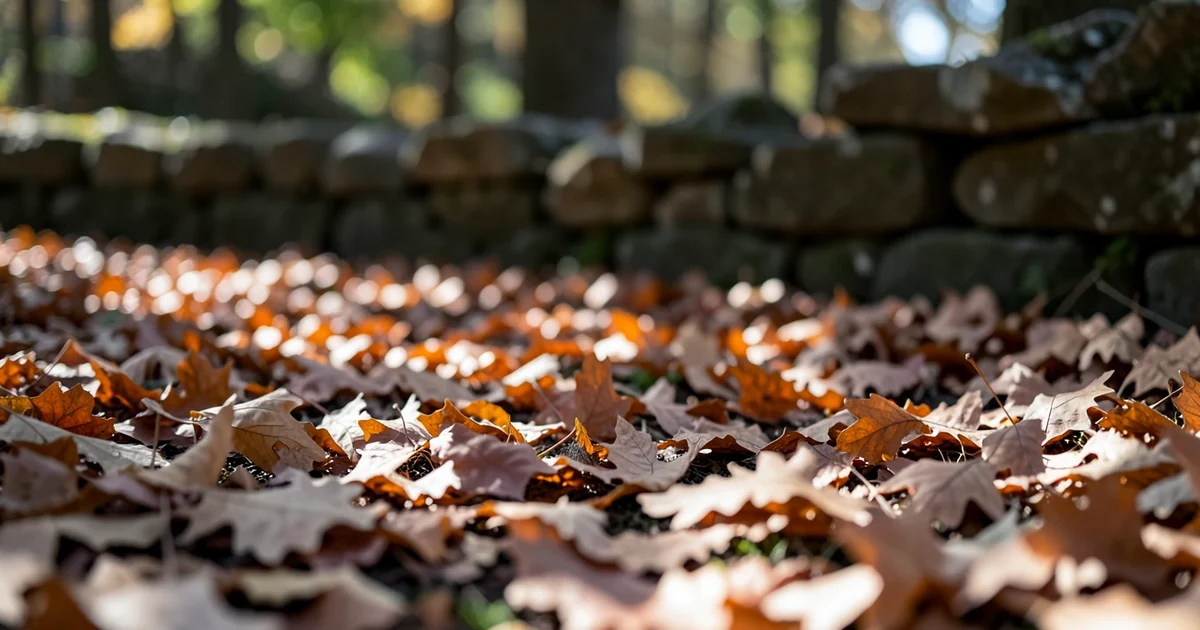
They are harder to see. A 20 cm snake on leaf litter is genuinely close to invisible, and copperhead camouflage is built for exactly that background. More bites from juveniles happen because more juveniles get stepped on and reached past.
They are around in numbers at a particular time. Copperheads give birth in late summer, so August and September are when small ones turn up in gardens, on paths and under the edges of decking. The seasonal spike in "there is a baby copperhead in my yard" is a birth-timing effect.
If you are seeing very small snakes with a yellow-green tail tip, see what a baby copperhead actually looks like — that tail is the single most reliable feature, and most photographs of "baby copperheads" online are not copperheads at all.
What to do about a bite
Nothing here changes the response, which is the practical point. Any bite from a copperhead — any size, any age — is treated the same way, and that way is described in full in snakebite first aid:
- Get away from the snake. Most second bites happen during a removal attempt.
- Go to hospital. Do not wait to see whether symptoms develop.
- Remove rings and watches before swelling starts.
- Keep the limb still, roughly at heart level.
- No tourniquet, no cutting, no suction, no ice.
Copperhead envenomation is rarely fatal in a healthy adult, and antivenom is not always given — that is a decision made on the swelling, the bloodwork and the trajectory, in a hospital. It is not a decision to make in a garden based on how big the snake looked.
The identification point
The reason this myth survives is that it is easier to repeat a rule than to identify a snake. If you are trying to work out what you are looking at rather than what to fear about it, start with how to tell if a snake is venomous, which goes through the features that actually separate them — and is candid about which popular ones do not.
Species referenced
Before anything else
- Back away and leave it alone. A snake that can see you leaving has no reason to bite. Most bites in the United States happen to people who picked up, cornered, or tried to kill a snake.
- Never handle a snake to identify it. Every identification on this site can be made from a photo or from several feet away.
- If someone is bitten, call emergency services now. Keep the limb still and below the heart, remove rings and watches, and go to hospital. Do not cut, suck, apply ice, or use a tourniquet — all of these make outcomes worse.
- Do not try to catch the snake for identification. A photo from a distance is enough, and hospitals treat symptoms rather than species.
In the US, the Poison Help line is 1-800-222-1222. This site is a reference, not medical advice.
Keep reading
- How to Tell If a Snake Is Venomous — And Why the Usual Advice Is WrongTriangular heads and slit pupils are the standard advice and both are unreliable. Here is what actually distinguishes venomous US snakes, and why location beats appearance.
- Snakebite First Aid: What to Do and What Makes It WorseThe current first aid guidance for a US snakebite — and why cutting, sucking, ice and tourniquets all cause harm. Written for the twenty minutes before help arrives.
- What a Baby Copperhead Actually Looks LikeJuvenile copperheads have a bright yellow-green tail tip that adults lose. It is the most reliable feature on a small snake, and almost nothing else shares it.