
All articles
Narrower questions than the guides answer, published one at a time rather than in a batch. Each carries the date it went out.

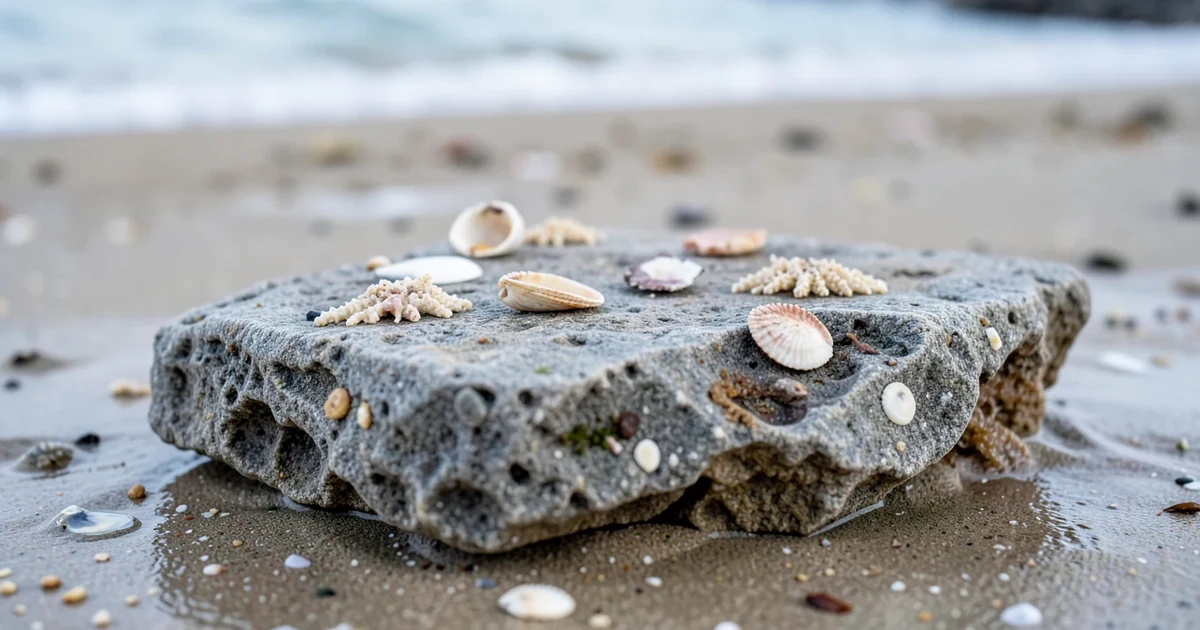 There Is a Fossil in My Rock. What Now?Most fossils people find are common invertebrates worth keeping and not selling. Vertebrate material is different, legally and scientifically — here is the line.
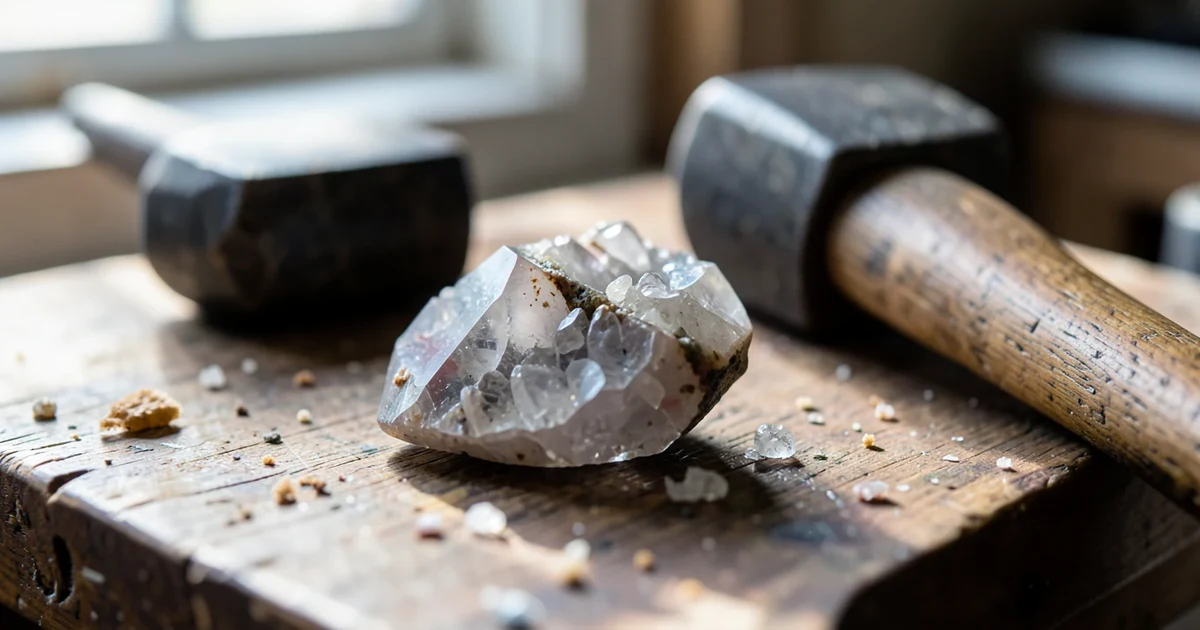 A Rock With Crystals Inside: Geodes, Vugs and What They Are WorthA hollow lined with crystals is a geode; an irregular cavity in solid rock is a vug. Both form the same way, and neither is usually worth money.
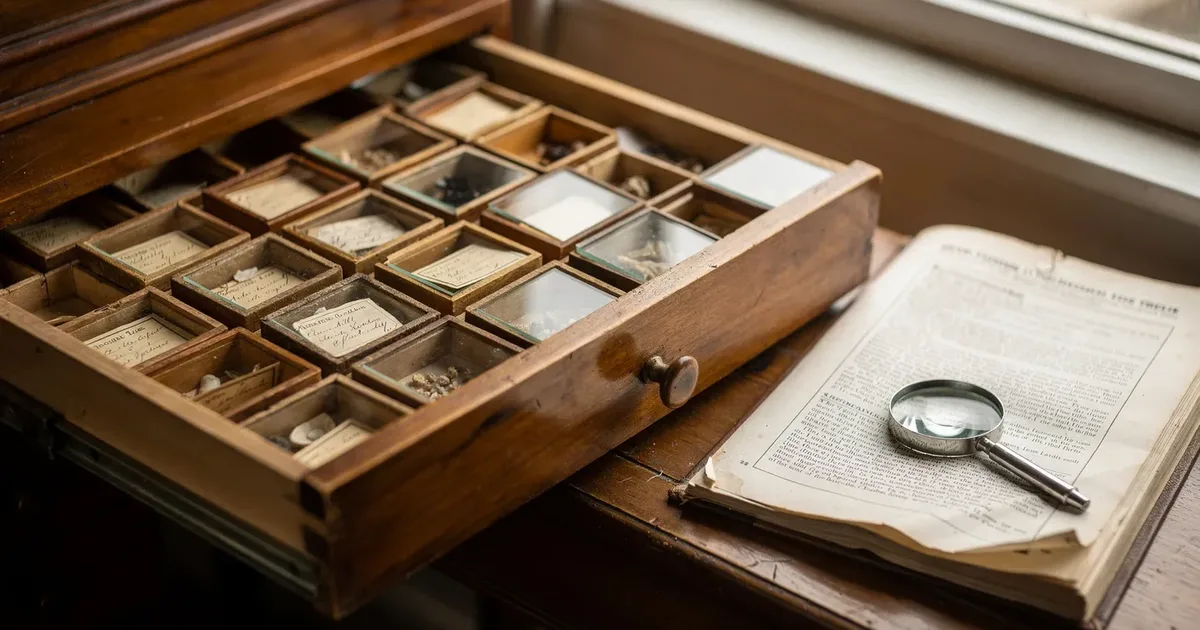 Is My Rock Valuable? An Honest AnswerMost rocks are worth nothing, and that is fine. Here is what actually creates value in a specimen, the handful of finds worth pursuing, and how to get a real appraisal.
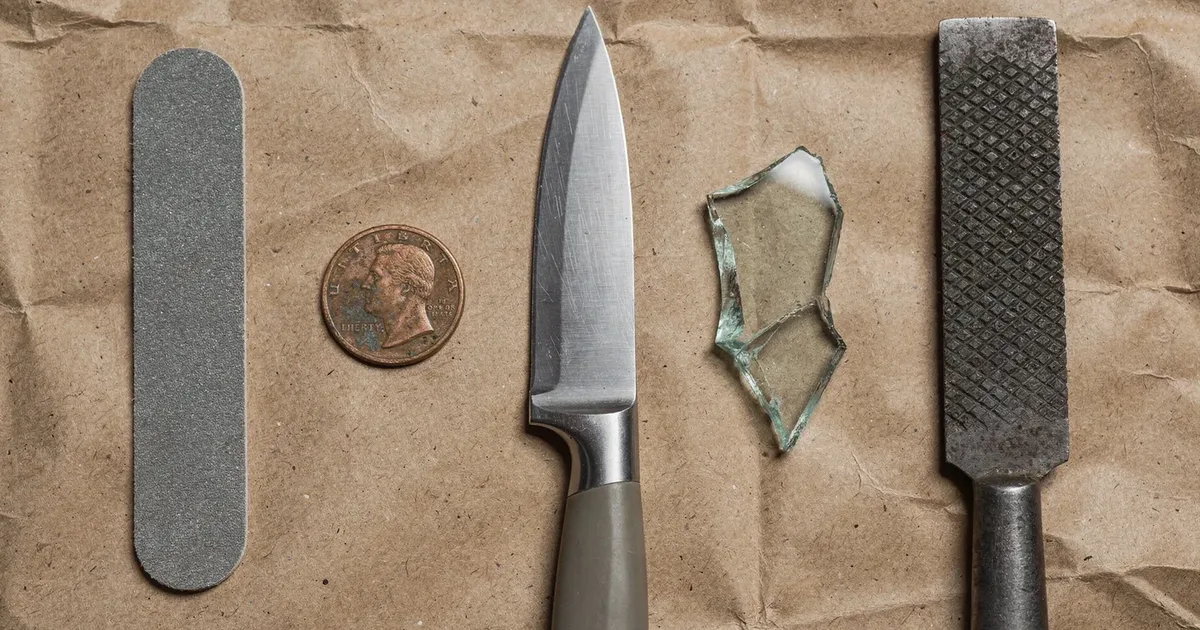 The Mohs Hardness Test With Things You Already OwnHow to run a reliable hardness test using a fingernail, a copper coin, a steel knife and a piece of glass — including the three mistakes that give false readings.
 The Streak Test: The Most Underused Tool in IdentificationThe streak test takes five seconds and settles questions that colour cannot. How to do it properly, what each streak colour narrows to, and when it will not work.

 Do Snakes Come Back to the Same Yard?Snakes return to places that reliably offer cover, warmth and prey. Which means the question worth asking is what your yard is providing, not how to repel them.
 A Snake Bit My Dog. What Now?Go to a vet immediately, do not wait for symptoms, and do not attempt first aid. Here is why each of those matters, and what the clinic will actually do.
 Are Baby Copperhead Bites Worse Than Adult Ones?The claim that juvenile copperheads cannot control their venom is repeated everywhere and is not supported by the evidence. Here is what the bite records actually show.
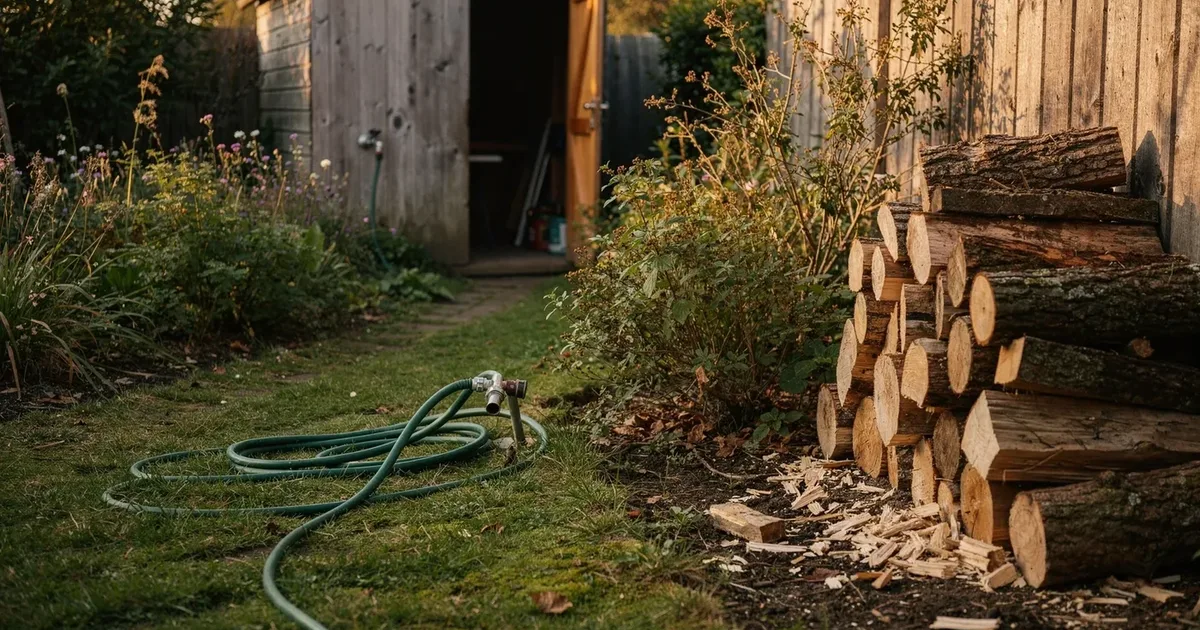 There's a Snake in My Yard. Now What?What to do about a snake in the yard, garage or house — including why removal attempts cause most bites, and what actually stops snakes coming back.
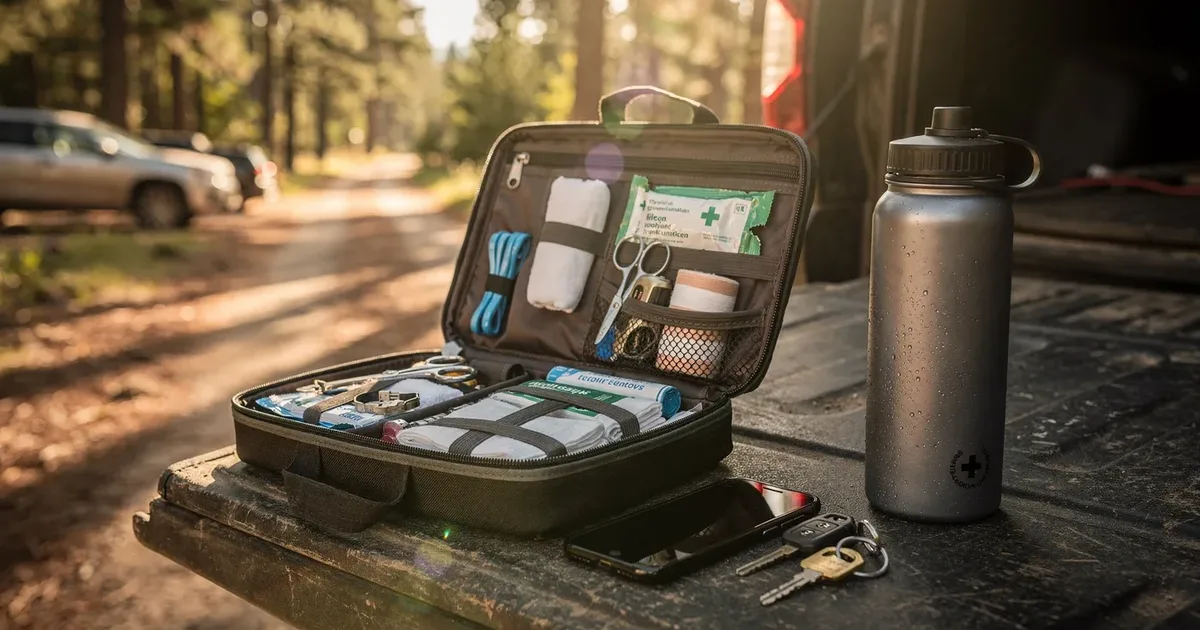 Snakebite First Aid: What to Do and What Makes It WorseThe current first aid guidance for a US snakebite — and why cutting, sucking, ice and tourniquets all cause harm. Written for the twenty minutes before help arrives.

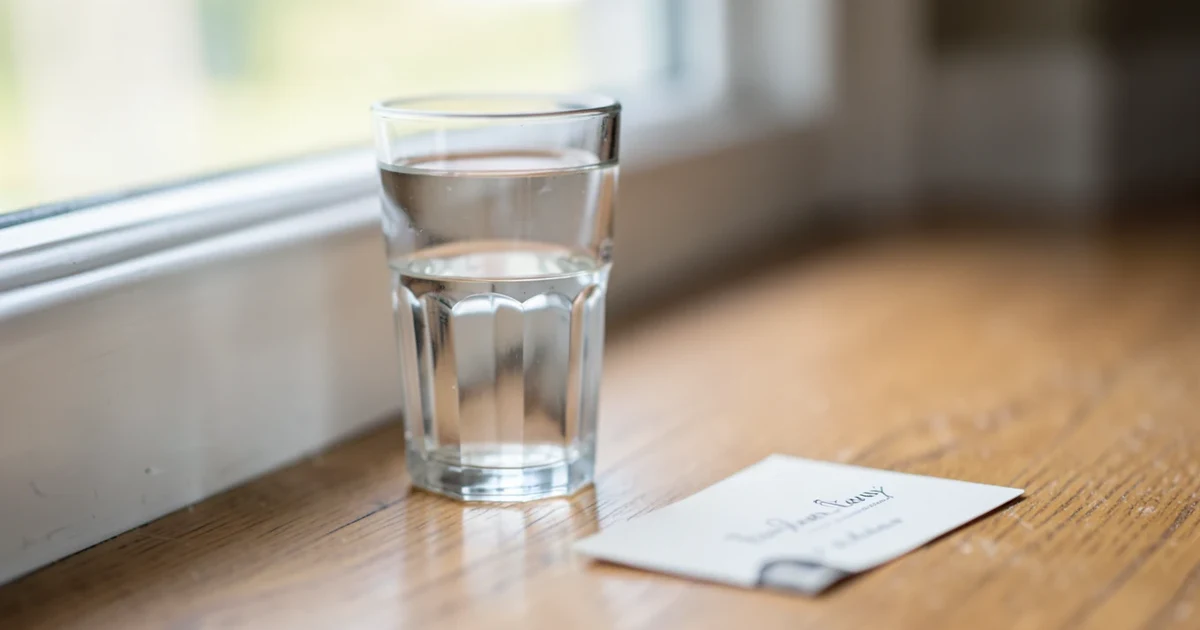 Getting a Spider Out of the House Without Killing ItThe glass-and-card method, what to use for a large one, and why putting a house spider outside in October is worse for it than the garage.
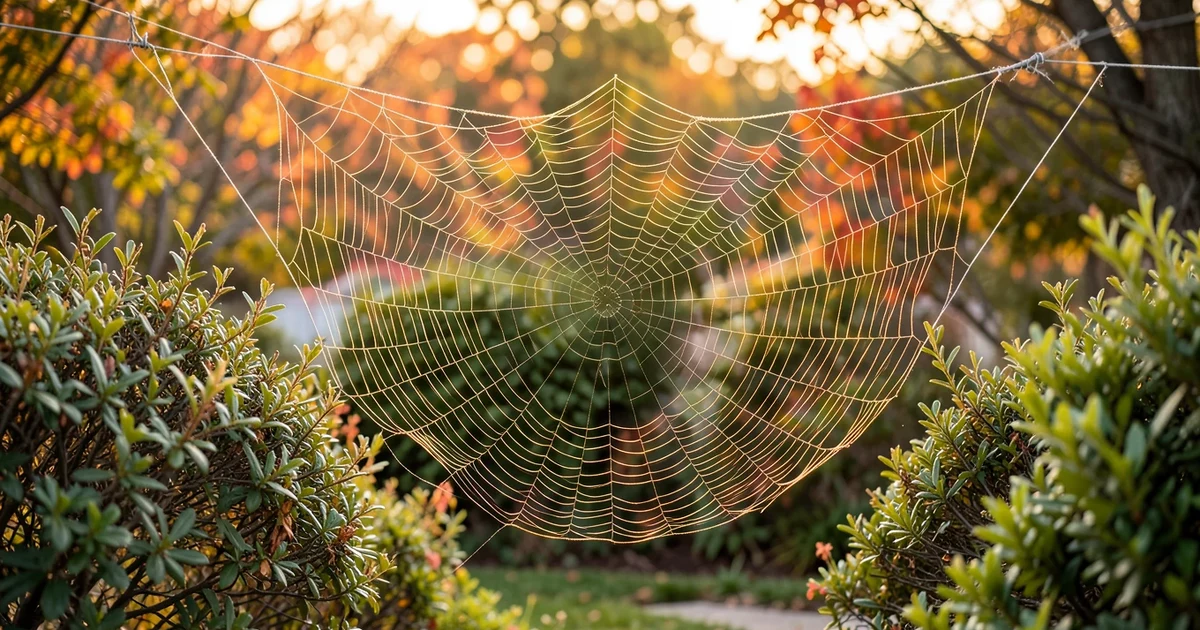 The Joro Spider: Large, Yellow, and Not a ThreatAn introduced orb weaver spreading through the southeast. Big and conspicuous, harmless, and covered far out of proportion to what it does.
 The Hobo Spider Was Never DangerousFor two decades the hobo spider was listed as medically significant on the strength of one contested study. The CDC removed it, and the original work has not replicated.
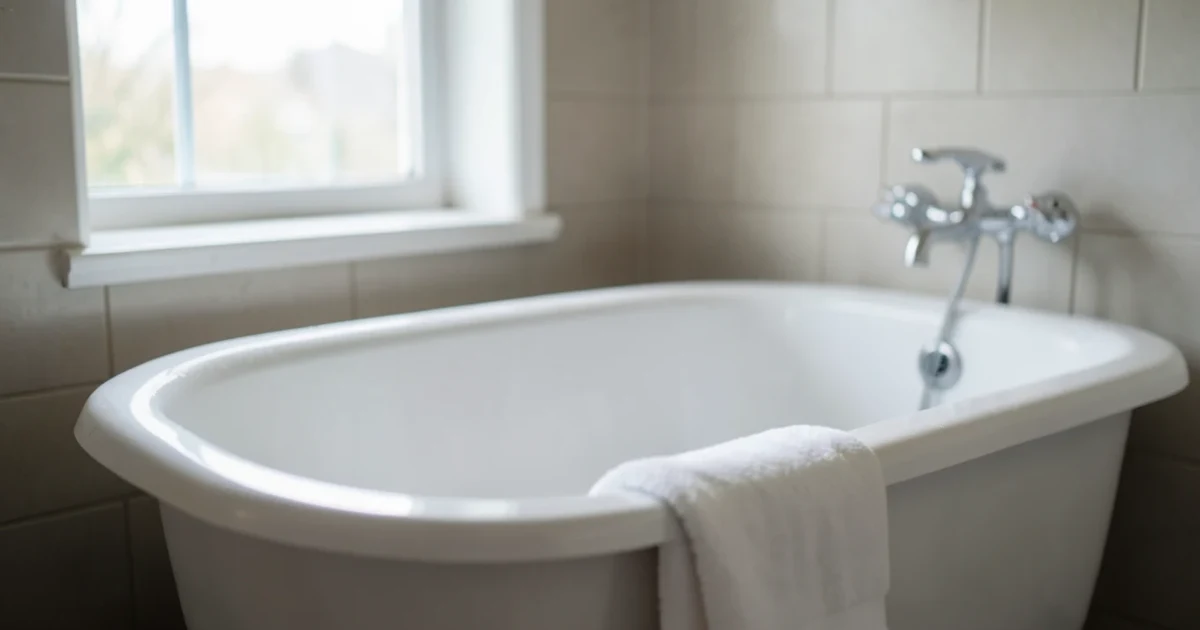 The Big Spider in the Bath: What It Is and How It Got ThereIt did not come up the plughole — the water in the trap makes that impossible. It fell in overnight and cannot climb the glaze.
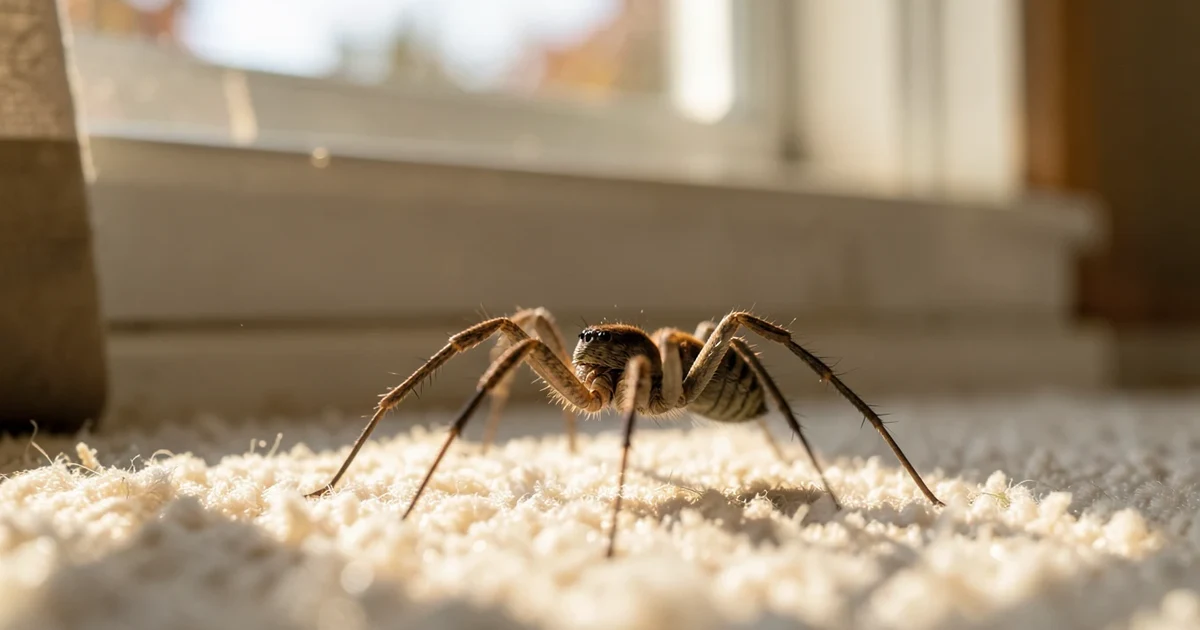 Why There Are Suddenly Spiders Everywhere in AutumnThey are not coming in from the cold. The spiders in your house in September have been there all year, and they are moving because they are looking for mates.
 How Long Do Brown Recluse Bite Symptoms Take?Most bites cause a red mark and nothing more. The minority that develop a lesion follow a recognisable timeline, and the first few hours look unremarkable.
 Spider Bite or Skin Infection? How Doctors Actually TellMost wounds presented as spider bites are not spider bites. What separates the two, why the distinction matters urgently, and the questions a clinician will ask.
 A Black Widow Bit Me. What Actually Happens Next?The realistic timeline, why the pain is muscular rather than local, when antivenom is actually used, and how rare a fatal outcome really is in the United States.
 Do Brown Recluses Live Where You Do? Probably NotBrown recluses live in a small part of the United States, and are absent from California, Florida, the Pacific Northwest and the northeast — despite constant reports.
 The Daddy Long-Legs Myth, and the Three Animals It Refers ToThe claim that daddy long-legs have the world's most powerful venom but fangs too short to bite is wrong twice over — and it is applied to three completely different animals.

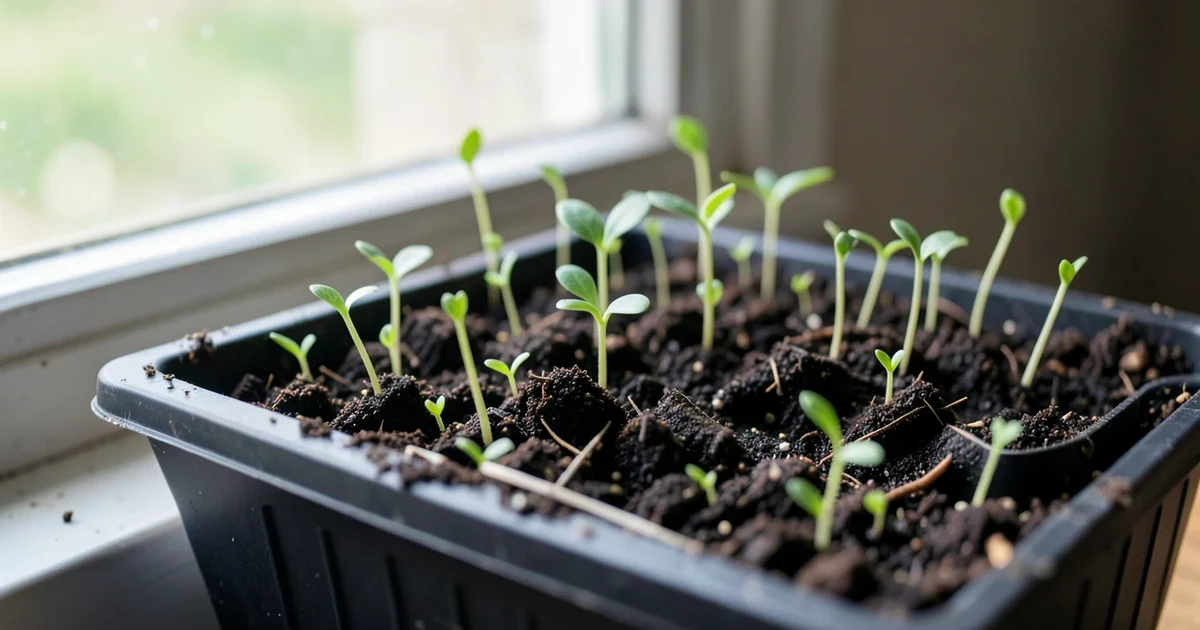 Seedlings Falling Over at Soil Level: Damping OffA seedling that topples with a pinched, water-soaked stem has damping off. It is not treatable once it starts, and everything useful happens before sowing.
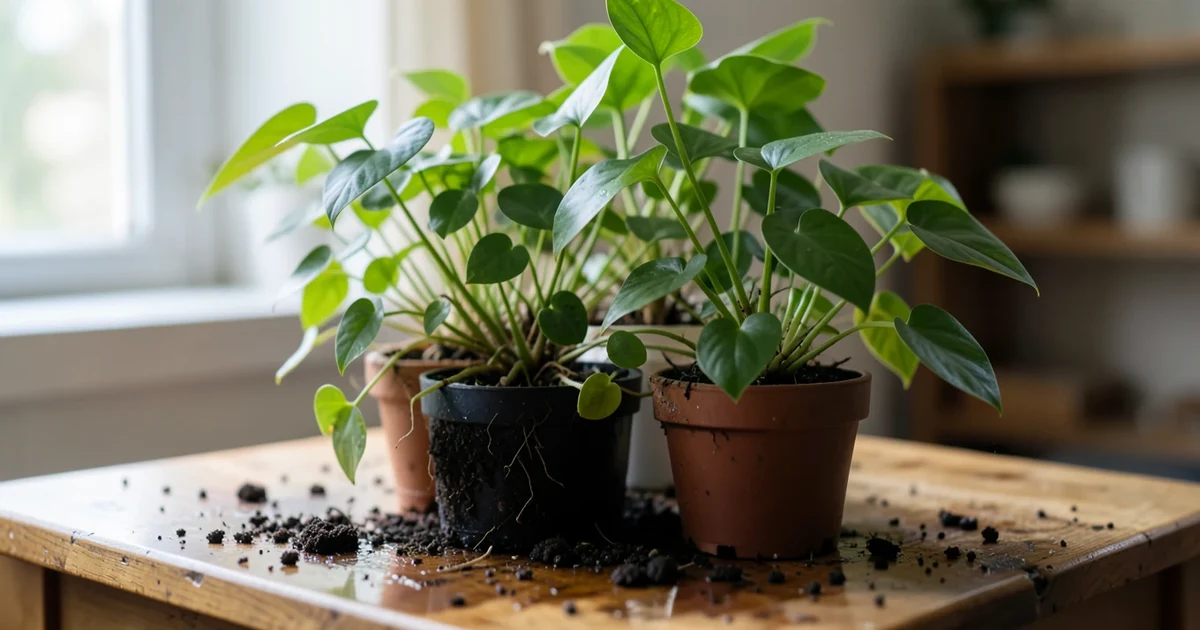 Tiny Flies Around a Houseplant: Fungus Gnats, and the Two ImpostorsFungus gnats breed in the top few centimetres of wet soil. Which is why the fix is the watering, not the spray — and why sprays reliably fail.
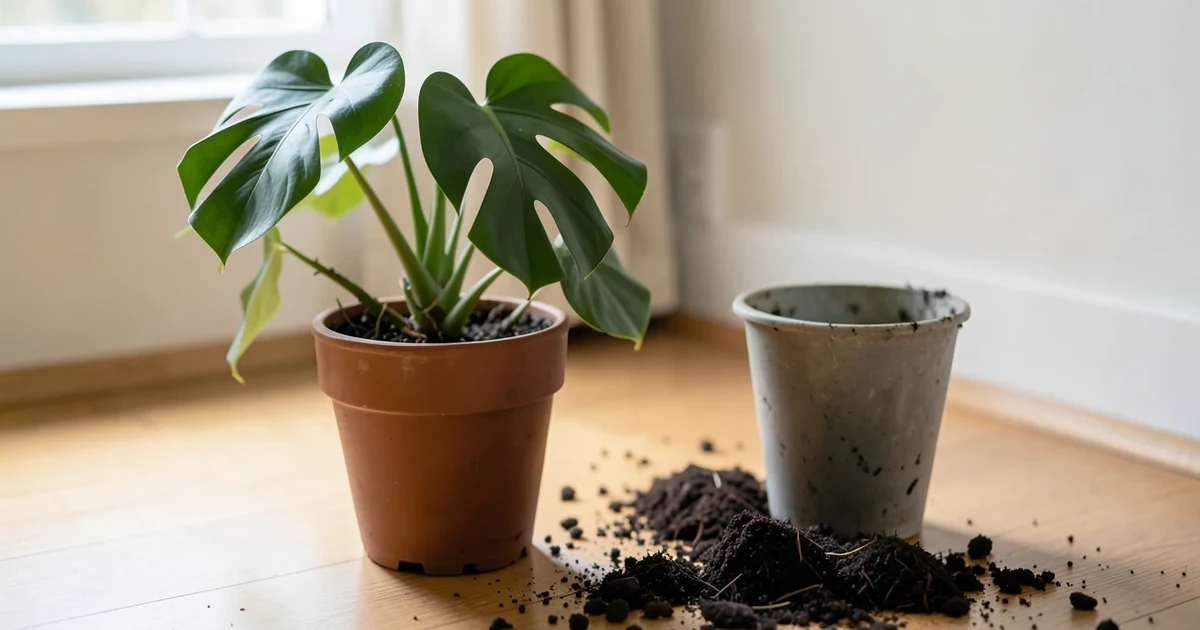 Drooping After Repotting: What Is Normal and What Is NotTransplant shock has a shape and a timescale. Most intervention makes it worse — here is what recovery looks like and when to actually worry.
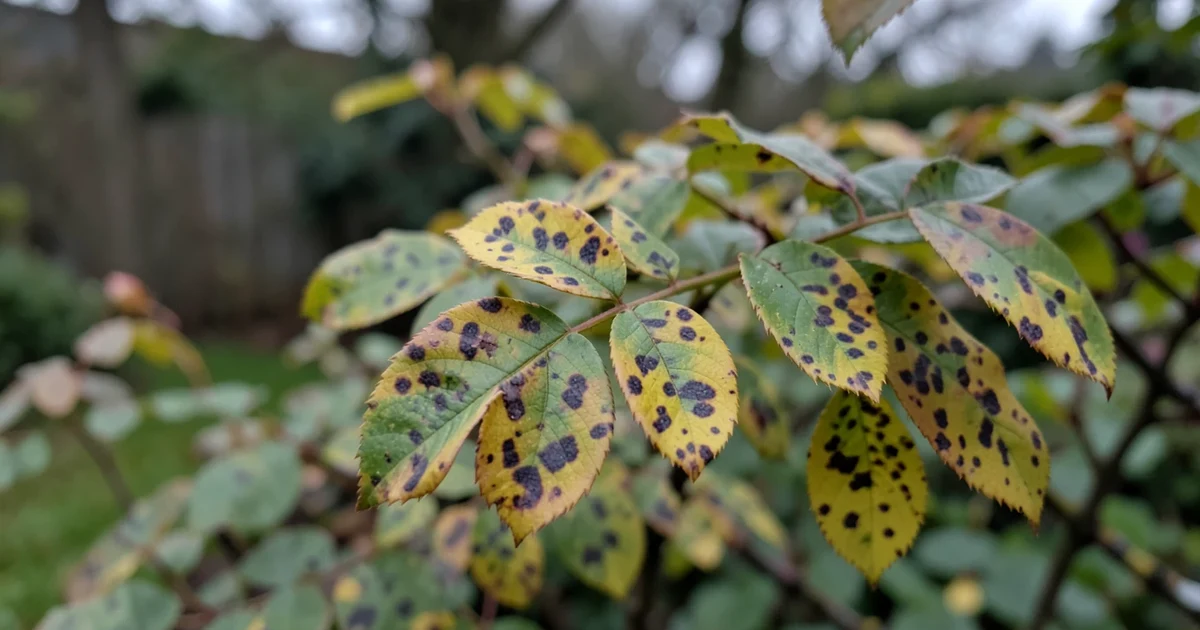 Black Spots and Black Leaves: Six Different ProblemsBlack on a leaf can be fungal, bacterial, an insect by-product, cold damage or sunburn. The halo, the shape and whether it rubs off separate them.
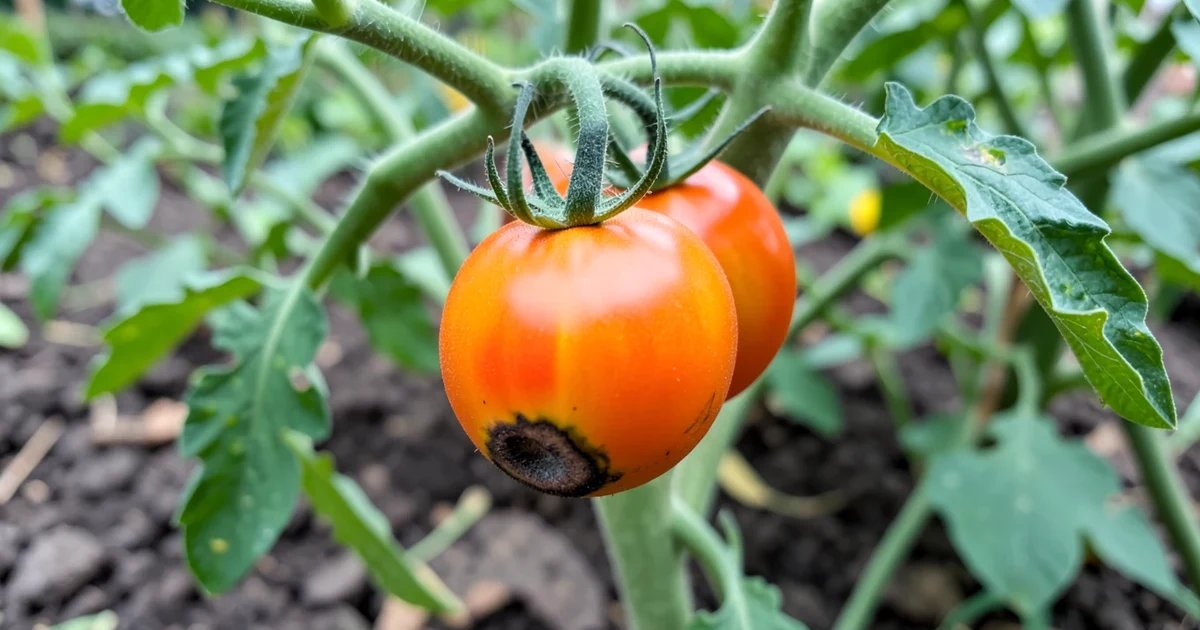 Blossom End Rot Is Not a Calcium DeficiencyThe soil almost always has enough calcium. The problem is getting it to the fruit, which is a watering problem — and that is why the sprays and tablets fail.
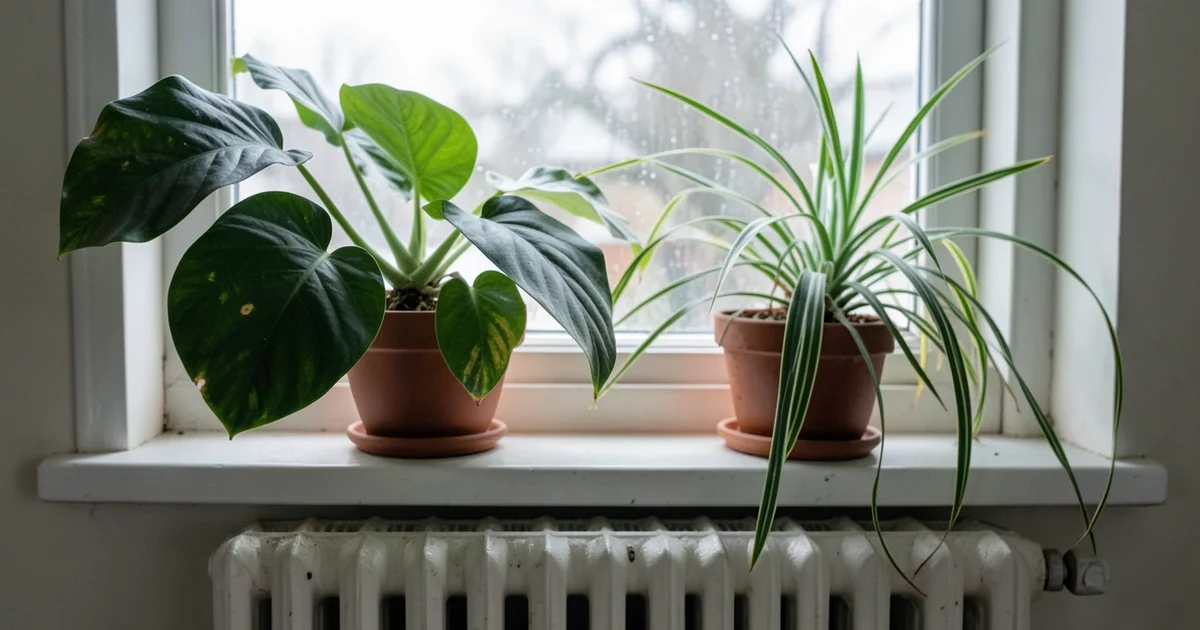 Crispy Brown Leaf Tips, and What They Are NotBrown tips are almost always humidity, salt build-up or tap water chemistry. They are almost never disease, and the pattern of browning says which.
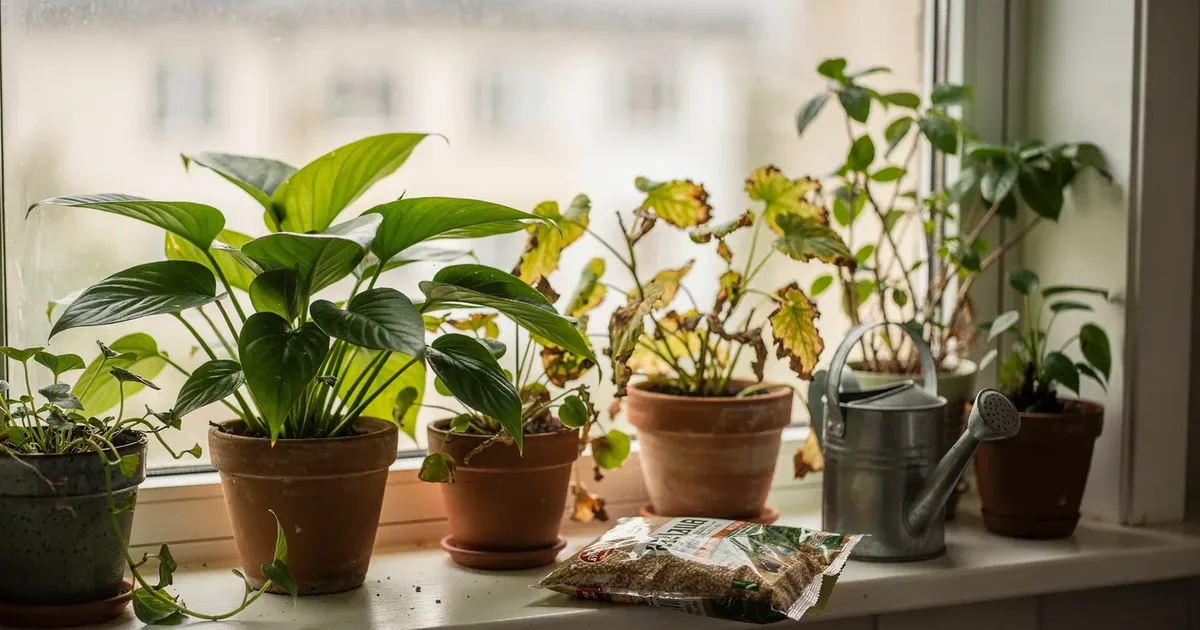 Why Are My Plant's Leaves Turning Yellow? Start With WhereYellow leaves have at least seven common causes. Which leaves yellowed — oldest or newest — and whether the veins stayed green narrows it to one or two immediately.
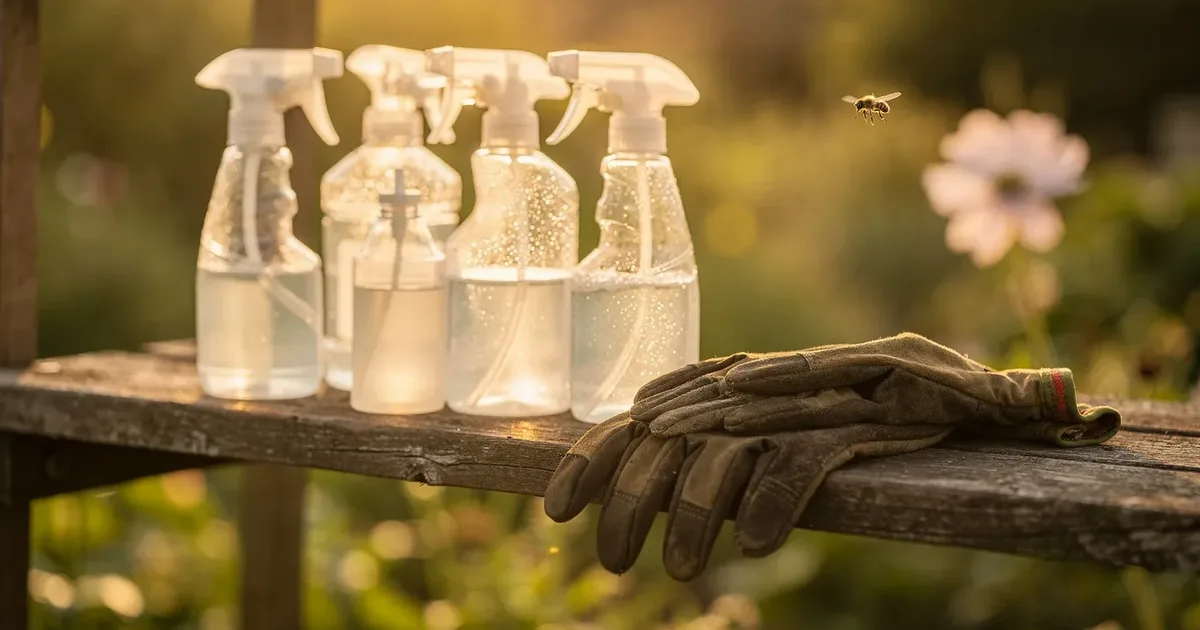 When Not to Spray: Most Plant Problems Fix ThemselvesFungicides do nothing against pests, nutrients or watering faults — and most garden damage is cosmetic. A short guide to when treatment helps and when it just costs money.

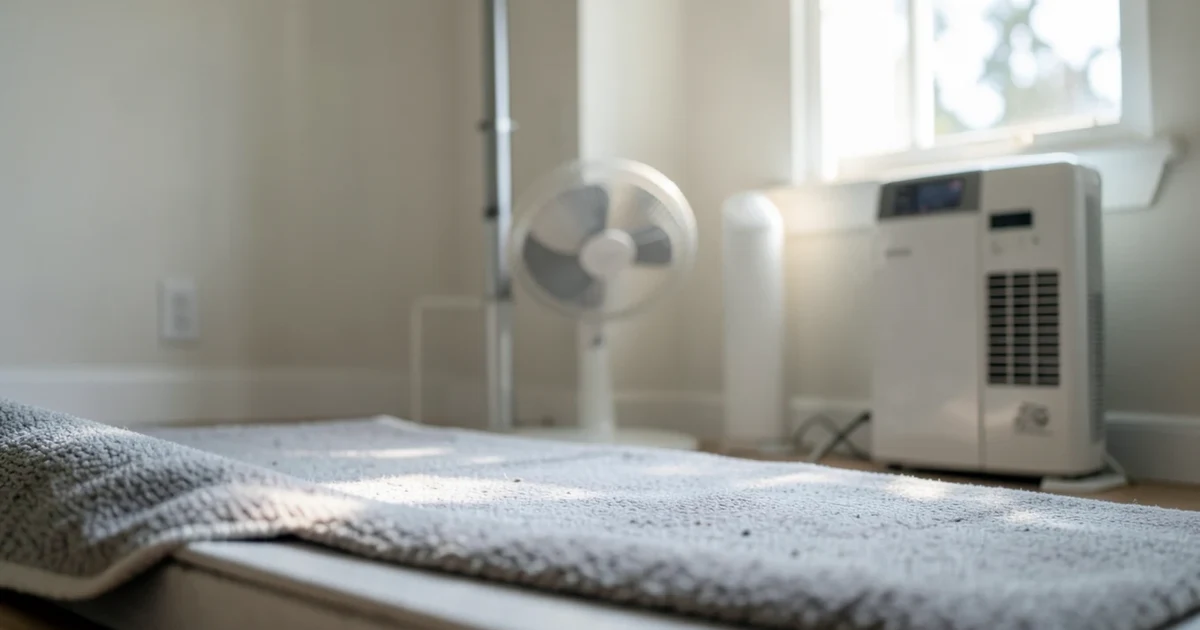 Mold After a Flood: The First 48 Hours Decide ItMold establishes on wet building materials within one to two days. What you do in that window determines whether this is drying out or rebuilding.
 A Musty Smell With No Visible MoldThe smell is real and it means active growth somewhere. Here is the search order, and the six places hidden mold is usually found.
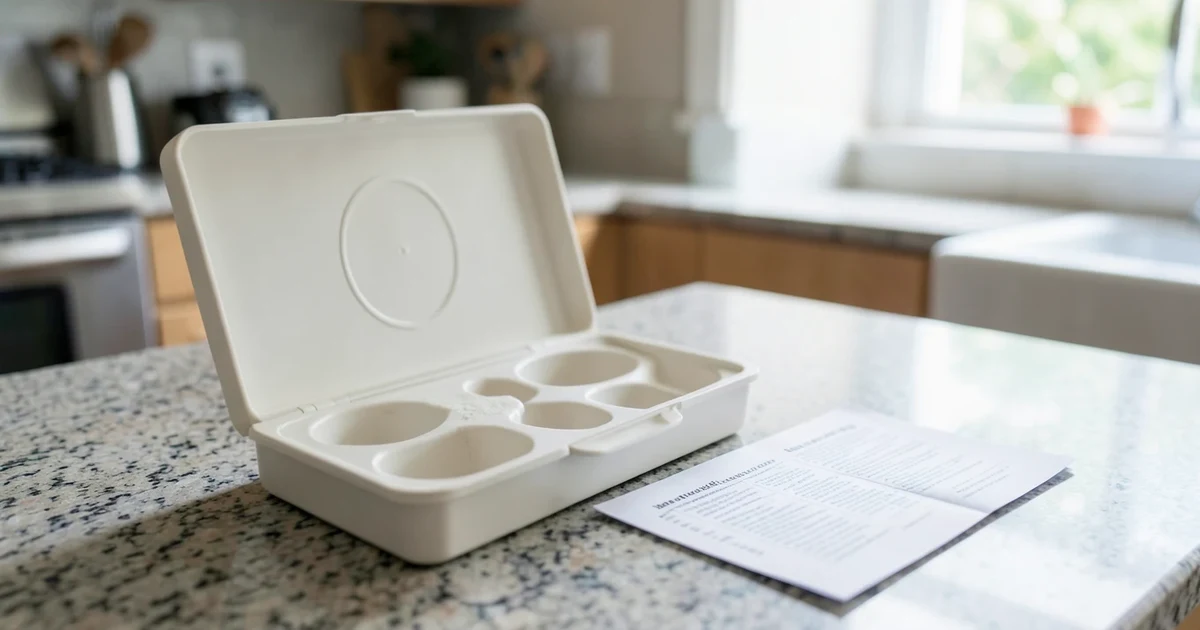 Are Mold Testing Kits Worth It? Mostly NotA petri dish will grow mold in any house on Earth, because spores are everywhere. A positive result is not evidence of a problem.
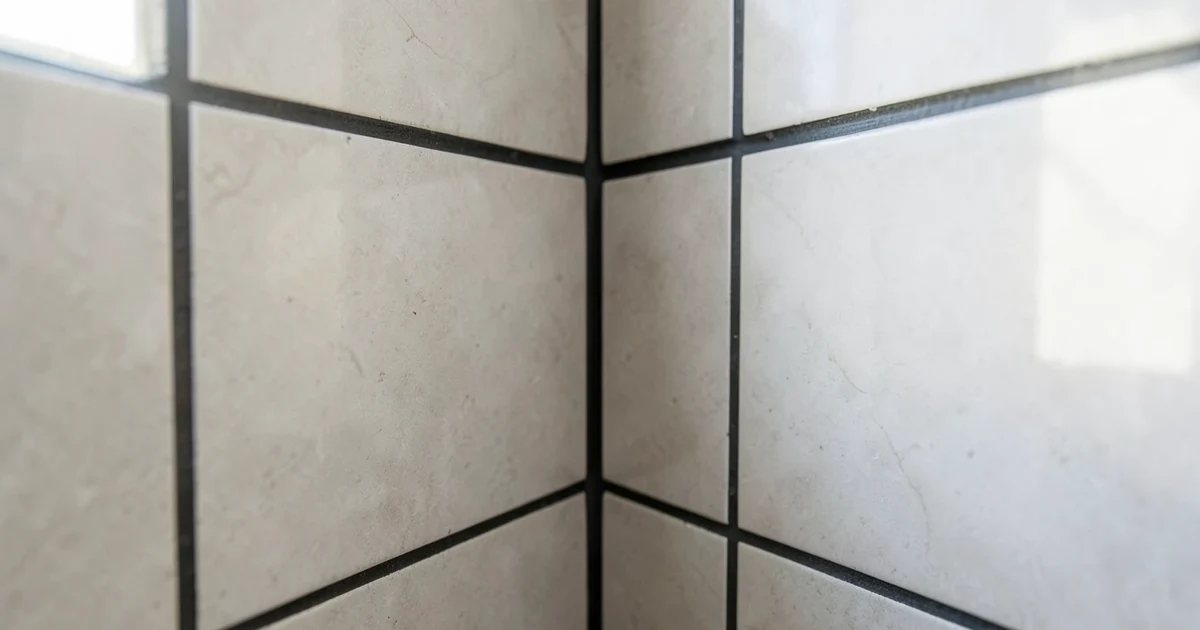 Removing Shower Mold Without BleachBleach whitens the surface of grout and silicone without killing what is underneath. Hydrogen peroxide and detergent reach further and last longer.
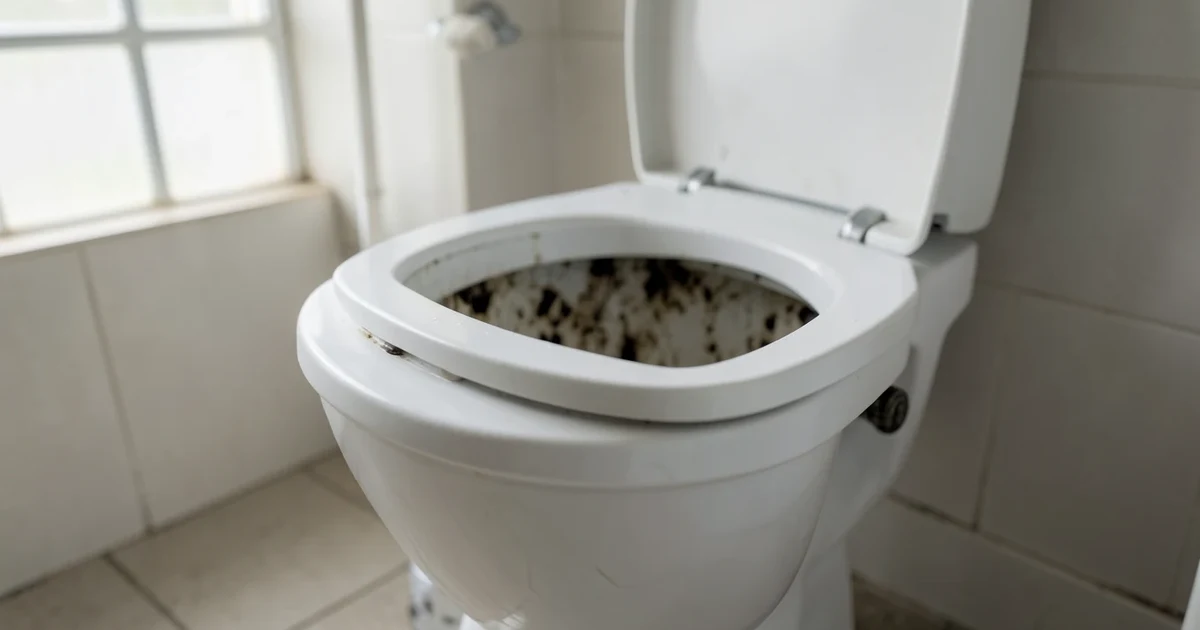 Black Rings in the Toilet Tank and BowlThe black or pink ring in a toilet is normally bacterial biofilm or manganese, not mold. Which changes what removes it and whether it keeps returning.
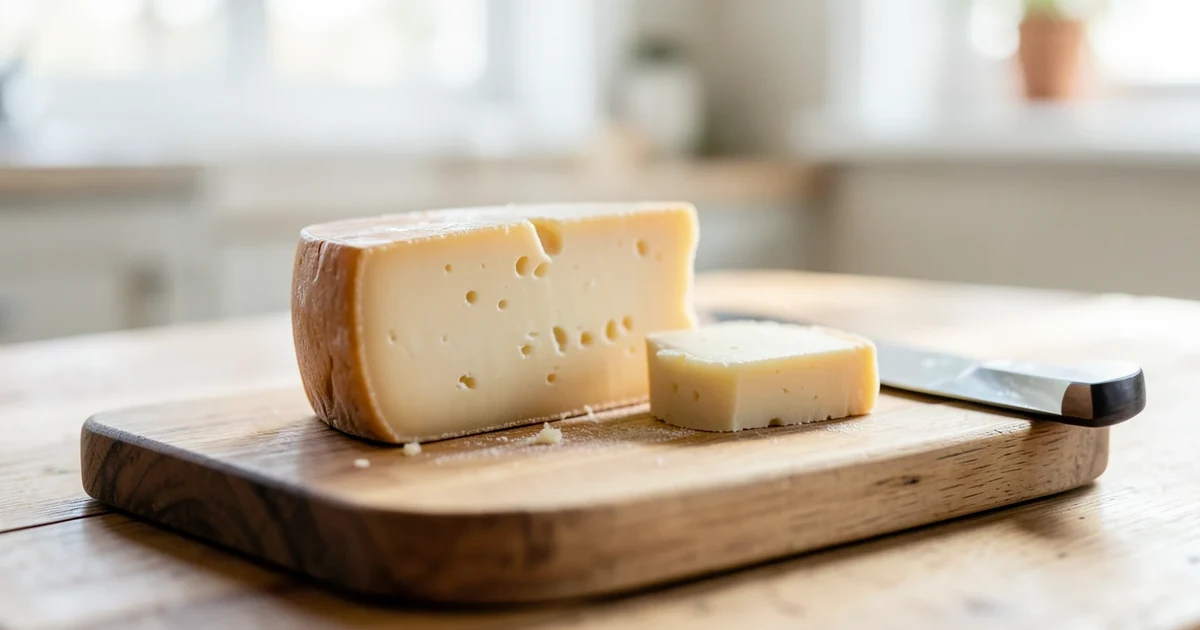 Mold on Cheese: When to Cut It Off and When to Bin ItHard cheese can be salvaged by cutting well clear of the mold. Soft cheese cannot, because the mold has already grown through it.
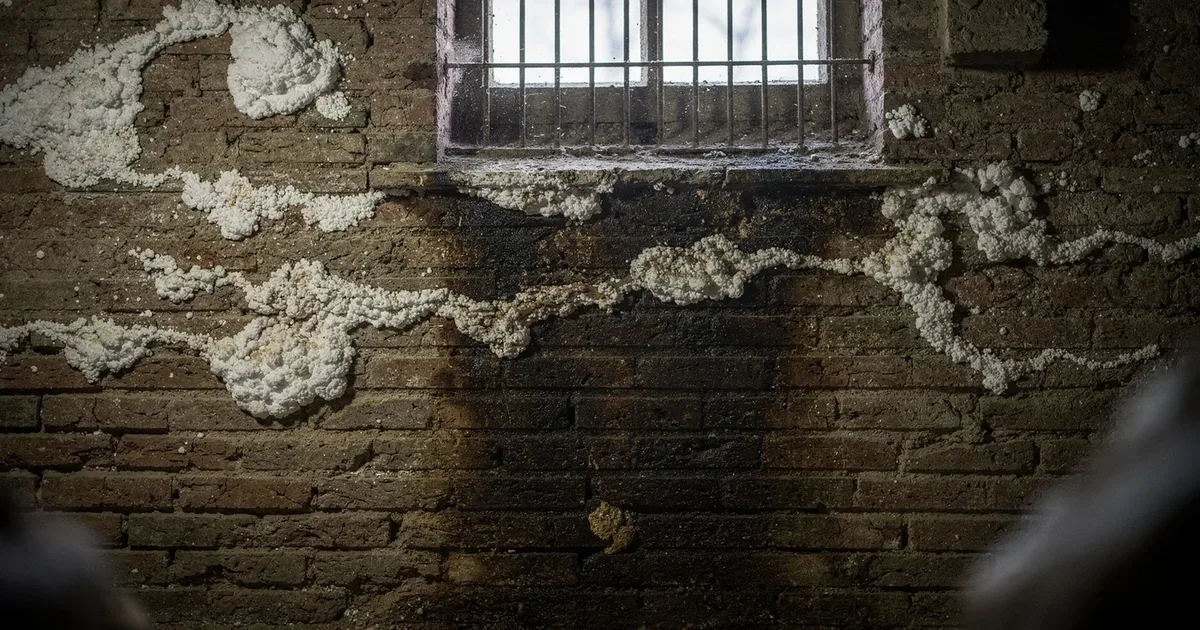 Is It Even Mold? Four Things That Aren'tWhite crust on basement walls, pink slime in the shower, black lines on the ceiling — three of the most common mold reports are not mold. Each has a ten-second test.
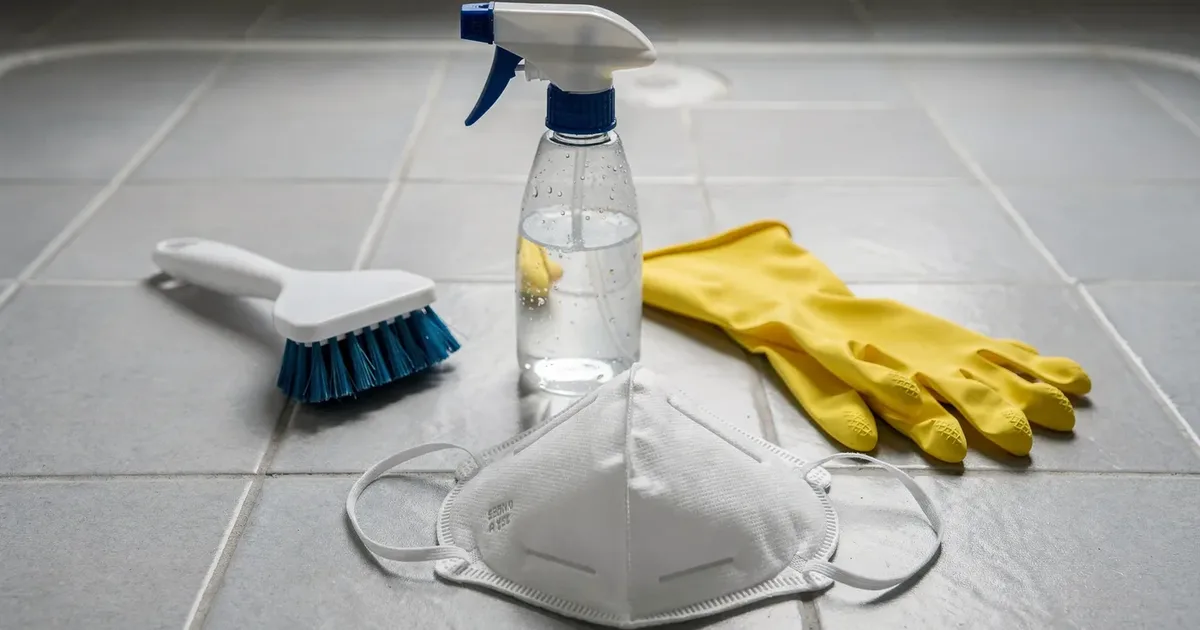 Removing Mold: What Works, and Why Bleach Usually Isn't ItCleaning the growth without fixing the moisture is why mold comes back. What to use on which surface, what to throw away, and where the DIY limit sits.

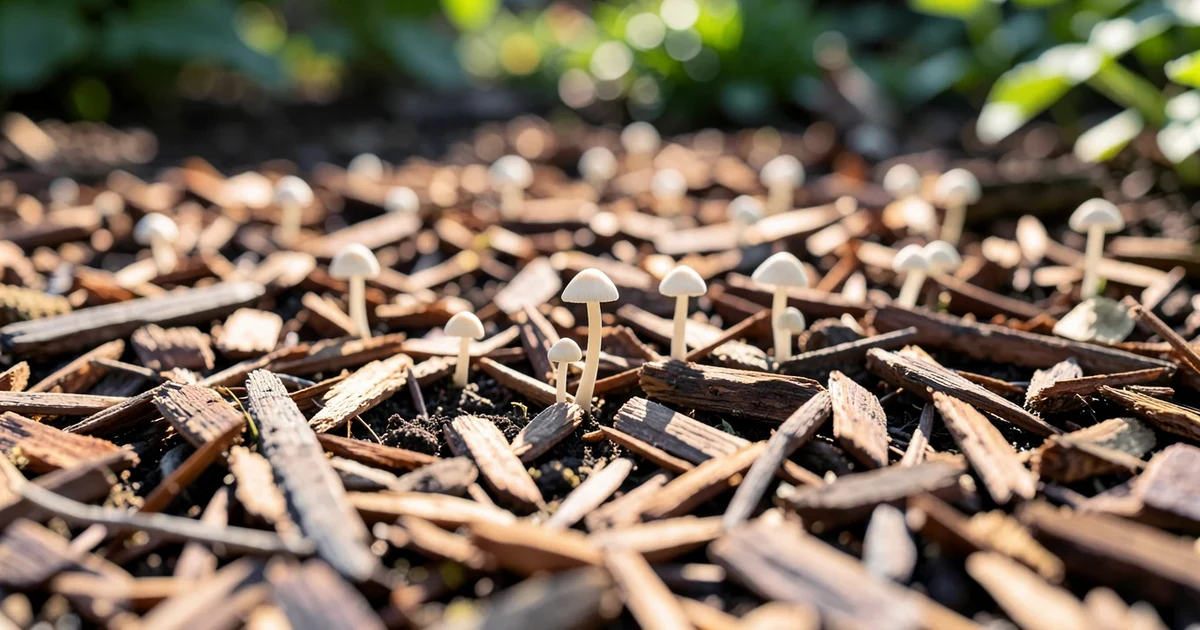 Mushrooms in Bark Mulch and Garden BedsMulch is wood, and wood-decaying fungi eat wood. Most are harmless, one is not, and two of them are strange enough to be worth recognising.
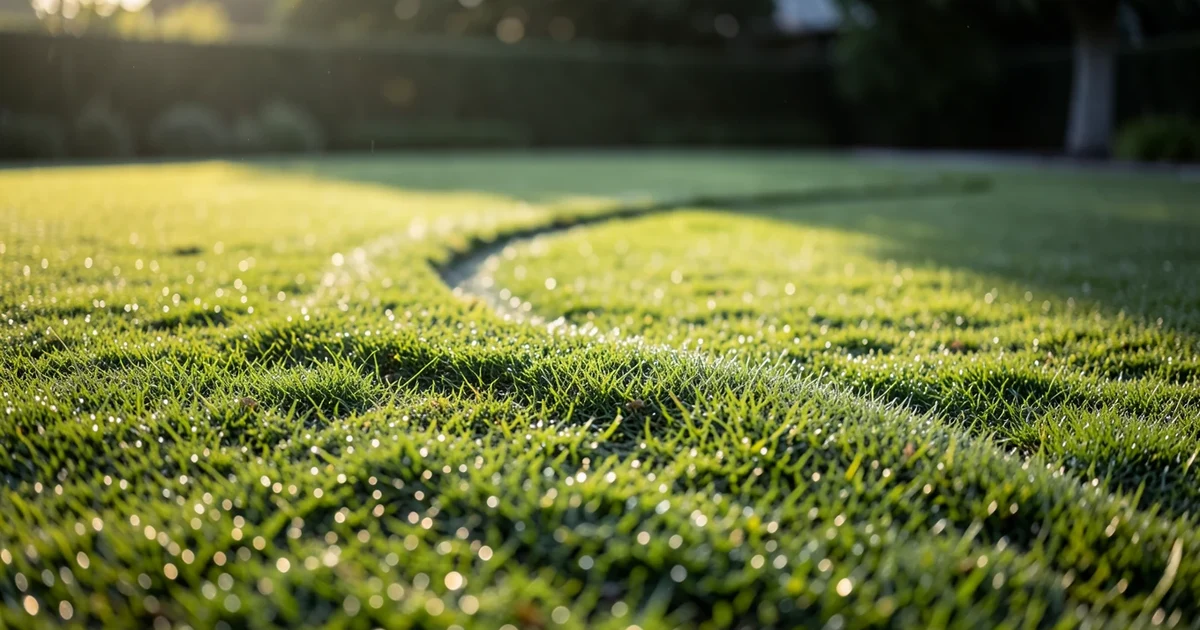 Fairy Rings, and What They Are Telling YouA ring of mushrooms is the edge of a single organism expanding outward from a starting point. The dark green grass is the interesting part.
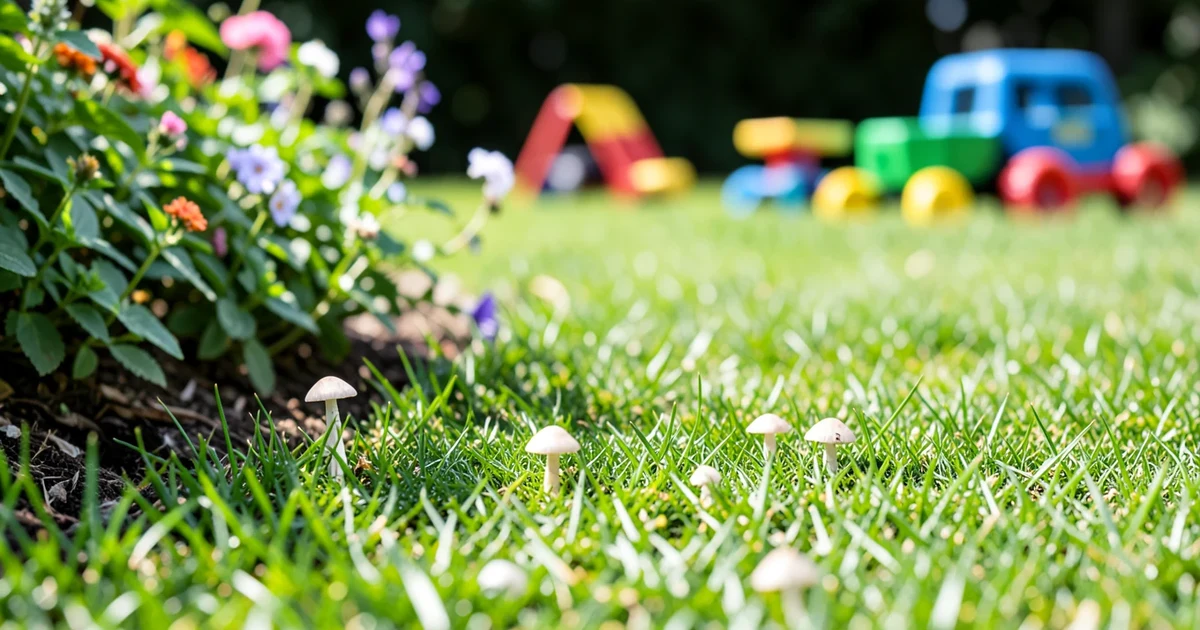 A Child Ate a Mushroom From the GardenCall Poison Control now, and collect the mushroom before it is trampled. Most garden mushrooms are harmless — and identification is what establishes that.
 Mushroom Poisoning: Why the Delay Matters More Than the SymptomsHow long before symptoms start is the most informative single fact. Under six hours is usually the milder group; after six hours is the dangerous one.
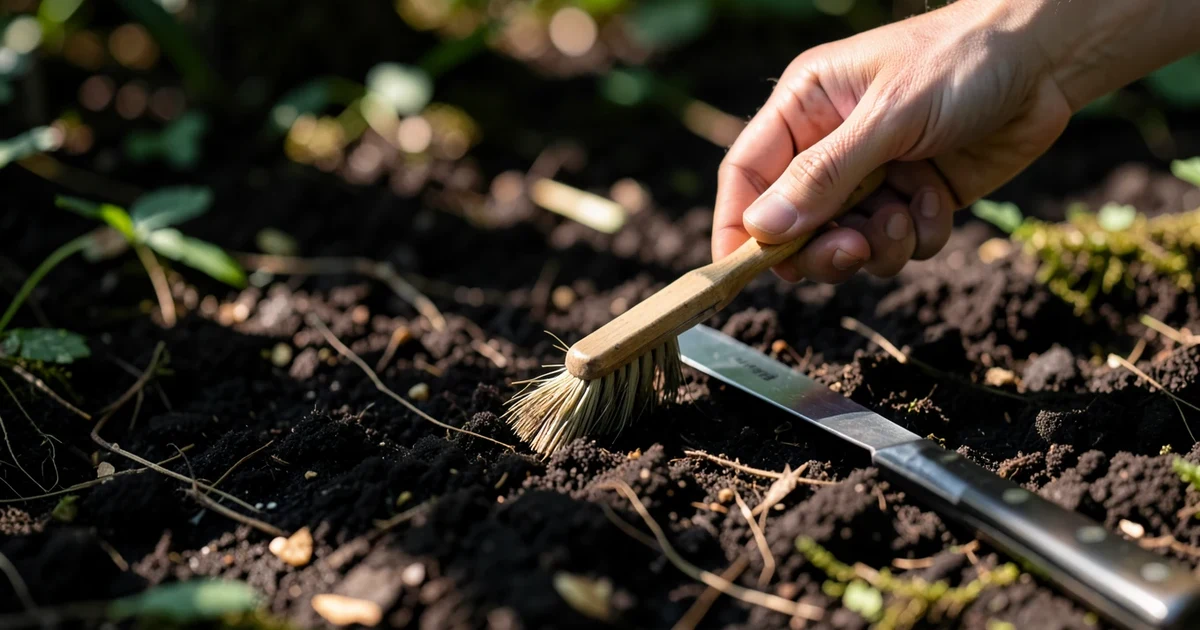 Can You Get Poisoned by Touching a Mushroom?Essentially no — the toxins have to be eaten. Why the myth persists, the two genuine exceptions, and why over-caution here makes identification harder.
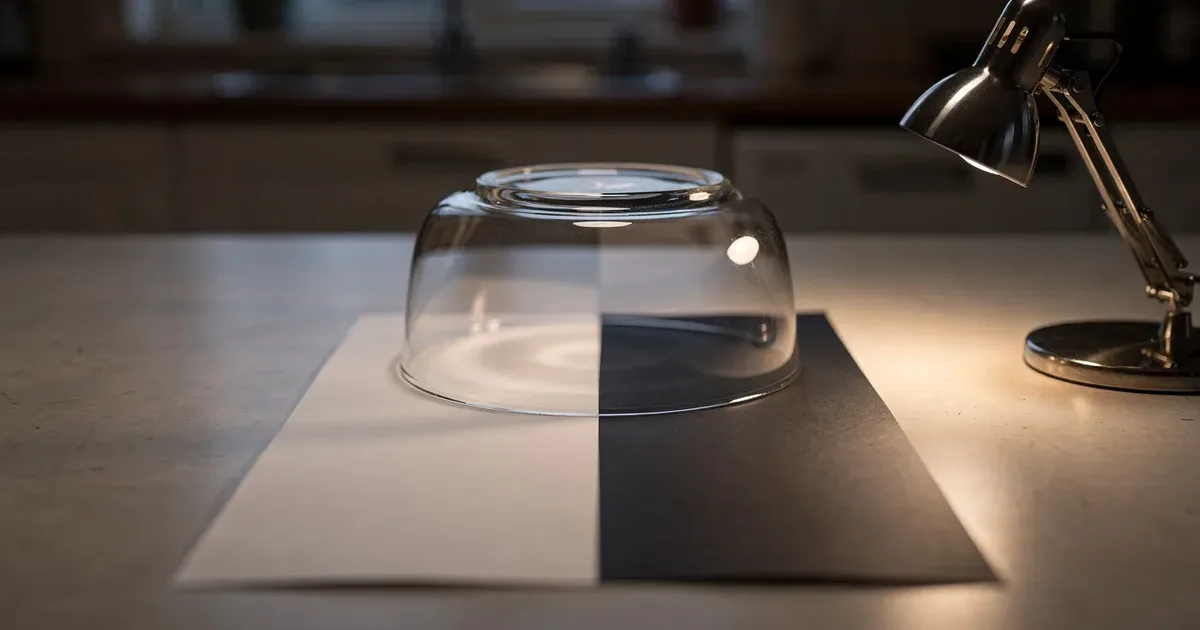 How to Take a Spore Print — and Why It Matters So MuchA spore print costs nothing, takes a few hours, and separates several deadly mushrooms from the edible species they resemble. Here is how, and what each colour rules out.

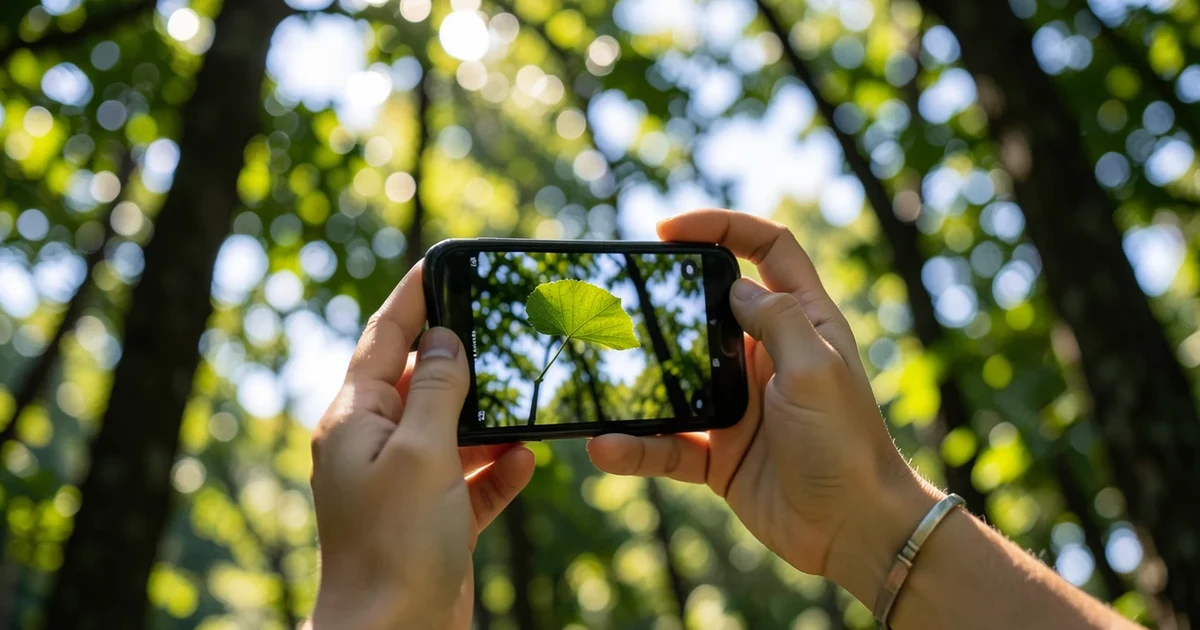 Identifying a Tree From a Photograph: What Actually WorksPhoto identification succeeds and fails in predictable ways. Which four photographs to take, and why a picture of the whole tree is the least useful of them.
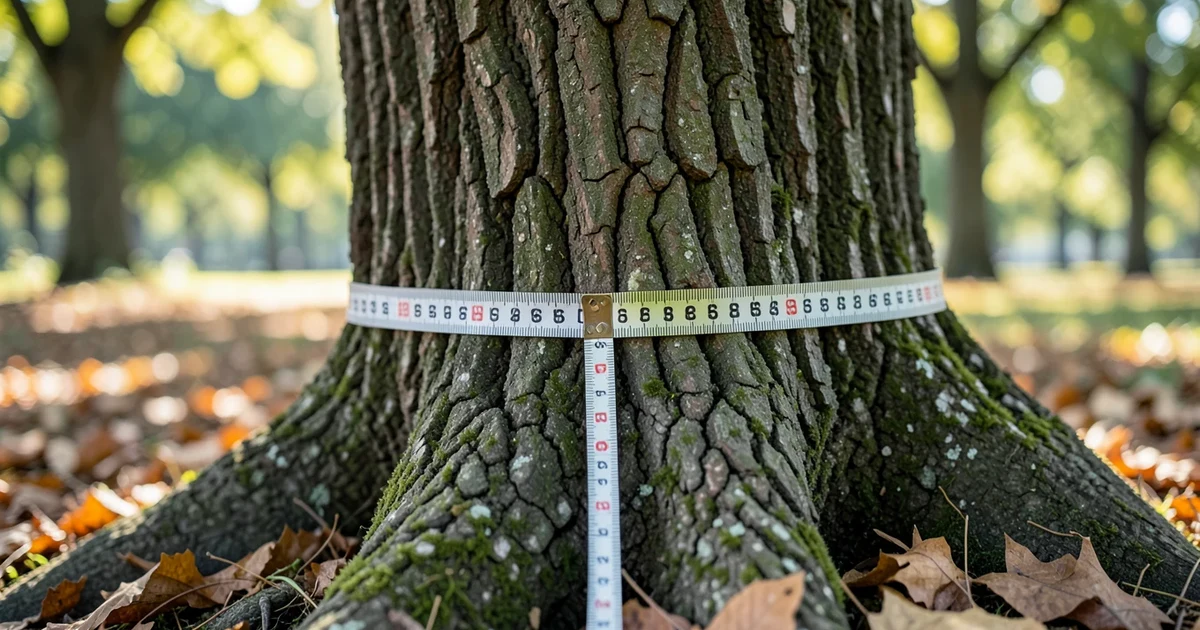 How Old Is This Tree, Without Cutting It DownCircumference and a species growth factor give an age estimate in two minutes. Here is the method, and an honest account of how wrong it can be.
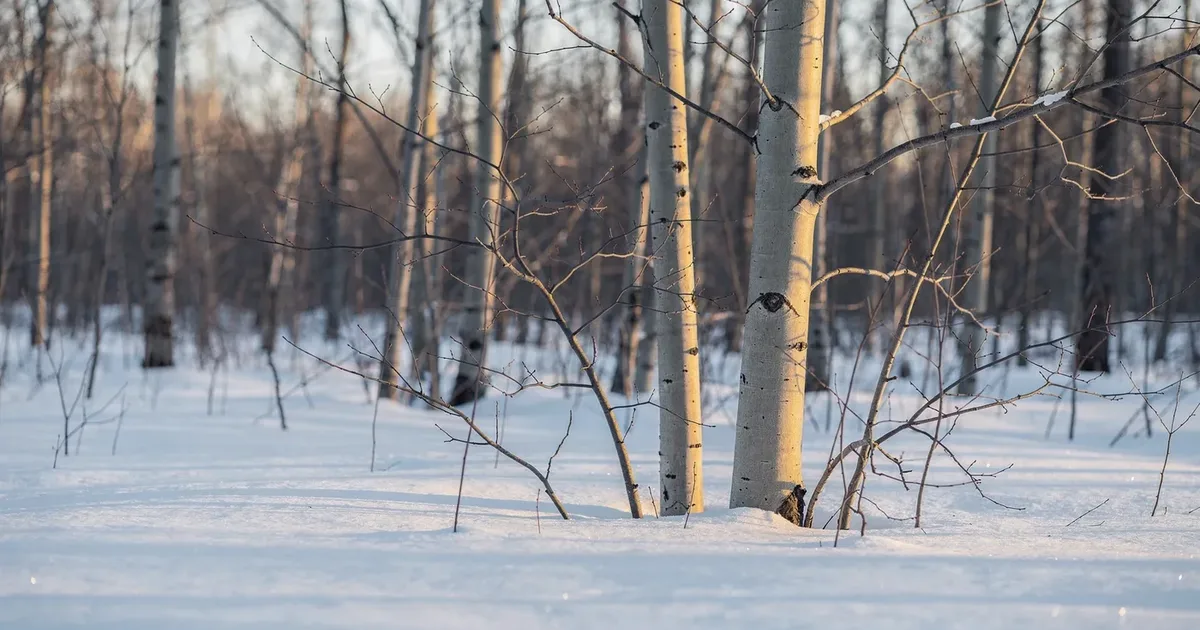 Identifying Trees in Winter, With No Leaves at AllBark, buds, twigs and last year's fruit on the ground. Winter identification is not harder than summer — it just uses different characters, several of them more reliable.