

Do Snakes Come Back to the Same Yard?
By IdentifyThese Editorial · · 3 min read
Yes, and the reason is more useful than the answer.
Snakes are not wandering at random and occasionally blundering into gardens. They move through a landscape reading it for three things — cover, warmth and food — and a spot that supplies all three gets used repeatedly, by that animal and by others after it.
So "will it come back" is really "is my yard still good", and that one you can do something about.
What they are actually returning to
Some of this is genuine site fidelity. Several North American species return to the same overwintering den — a rock crevice, a rodent burrow system, a foundation gap — year after year, and timber rattlesnakes in particular are known for it, with dens used across generations.
But most repeat sightings in a suburban garden are not that. They are the same handful of features being good every single day:
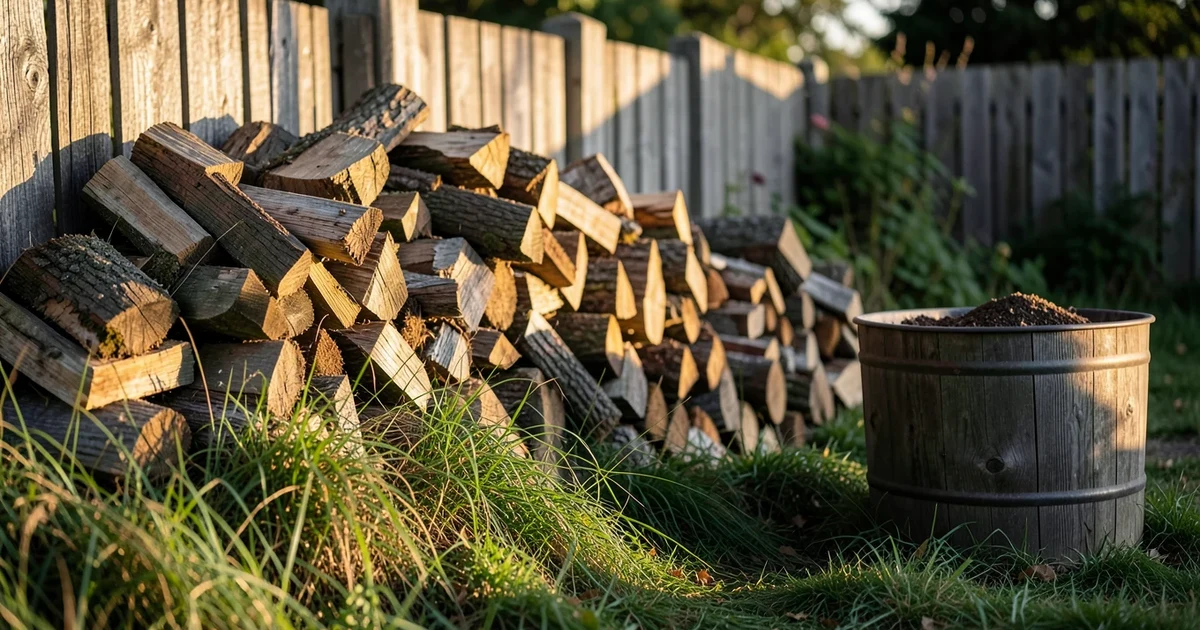
- Cover at ground level. Woodpiles, flat stones, sheets of plywood, dense ivy, the gap under decking, a stack of pots that has not moved since spring.
- Thermal structure. A south-facing wall, a path, a rock, a compost heap. Snakes cannot generate heat and will use whatever holds it.
- Prey. Rodents, mostly. Bird feeders, spilled seed, pet food left outside and open compost all feed a rodent population, and a rodent population feeds snakes.
- Water. A pond, a dripping tap, a pool edge, a dog bowl.
A yard with all four is not being visited. It is being lived in.
Relocation, and why it usually fails
Moving a snake a short distance moves an individual out of a good habitat that remains good. The vacancy gets filled.
Moving one a long distance is worse for the snake — displaced snakes released outside their home range show markedly poorer survival, because they do not know where the dens, the cover or the water are before winter arrives. In many places it is also illegal, which the yard piece covers.
Neither version changes anything about your garden.
What changes it
Roughly in order of how much difference it makes per hour spent:
| Change | Why it works |
|---|---|
| Deal with rodents | Removes the food supply, which is the strongest single factor |
| Clear ground-level clutter | Removes cover; stack firewood off the ground and away from the house |
| Cut grass and thin dense ground cover | Snakes avoid crossing open ground they can be seen on |
| Seal gaps under 1 cm around the foundation, vents and door sweeps | Keeps them out of the structure rather than the garden |
| Move bird feeders away from the house, or clean up spillage | Same reason as the first line |
None of that makes a garden snake-proof, and it is not supposed to. It makes the garden less rewarding than the one next door.
What does not work
Sulphur, mothballs, cinnamon oil, garlic sprays, ultrasonic stakes and the granular "snake away" products sold every spring. These have been tested. Snakes do not navigate by smell in the way the products assume, and mothballs used outdoors are both ineffective and a pesticide misuse.
Snake fencing does work, but it has to be right: fine mesh, buried at the base, angled outward at the top, and continuous. Most installed snake fencing is none of those things.
The seasonal pattern
Sightings cluster, and the clusters are predictable rather than random — spring emergence, a Sightings cluster, and the clusters are predictable rather than random — spring emergence, a mid-summer lull in the heat, and an autumn peak as animals move toward dens and the year's young disperse. The autumn peak is the largest of the three, and it arrives two to three weeks later for every 500 km further north. If you are seeing more snakes in September than in July, the population has not grown. The animals are moving further, and the small ones born in late summer are moving for the first time.
The one that matters
The practical question is not whether a snake will return but whether the one you have is worth worrying about. In most of the eastern United States the animals using gardens are ratsnakes, garter snakes and brownsnakes — all harmless, and the first two actively suppress the rodents that would otherwise attract something you would rather not have.
Work out which you have before you act on it: how to tell if a snake is venomous.
Species referenced
Before anything else
- Back away and leave it alone. A snake that can see you leaving has no reason to bite. Most bites in the United States happen to people who picked up, cornered, or tried to kill a snake.
- Never handle a snake to identify it. Every identification on this site can be made from a photo or from several feet away.
- If someone is bitten, call emergency services now. Keep the limb still and below the heart, remove rings and watches, and go to hospital. Do not cut, suck, apply ice, or use a tourniquet — all of these make outcomes worse.
- Do not try to catch the snake for identification. A photo from a distance is enough, and hospitals treat symptoms rather than species.
In the US, the Poison Help line is 1-800-222-1222. This site is a reference, not medical advice.
Keep reading
- There's a Snake in My Yard. Now What?What to do about a snake in the yard, garage or house — including why removal attempts cause most bites, and what actually stops snakes coming back.
- Snake Season, Month by MonthSnake activity has two peaks, not one, and the autumn peak is the bigger of them. Here is the pattern by month, and how far it shifts with latitude.
- How to Tell If a Snake Is Venomous — And Why the Usual Advice Is WrongTriangular heads and slit pupils are the standard advice and both are unreliable. Here is what actually distinguishes venomous US snakes, and why location beats appearance.