
All guides
Evergreen pieces — the comparisons, field tests and decisions that separate one thing from another. Revised in place rather than dated, so each shows when it was last reviewed.

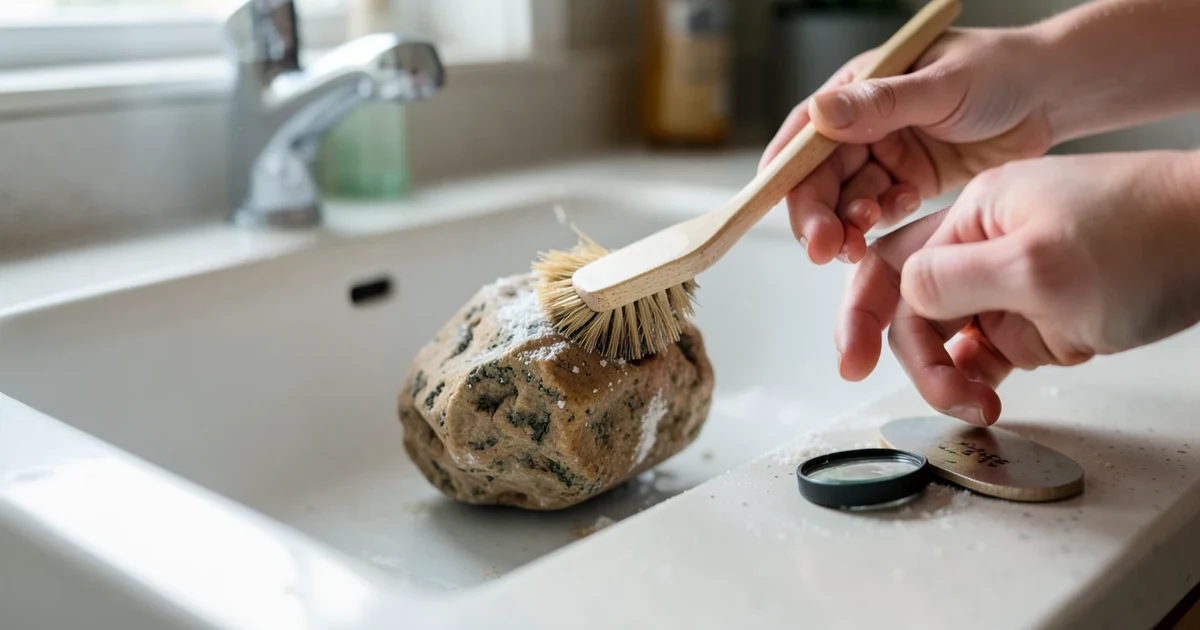 What to Do Before You Ask Anyone to Identify a RockA wash, a fresh break and four photographs turn an unanswerable question into an answerable one. Most identification requests fail on the photograph alone.
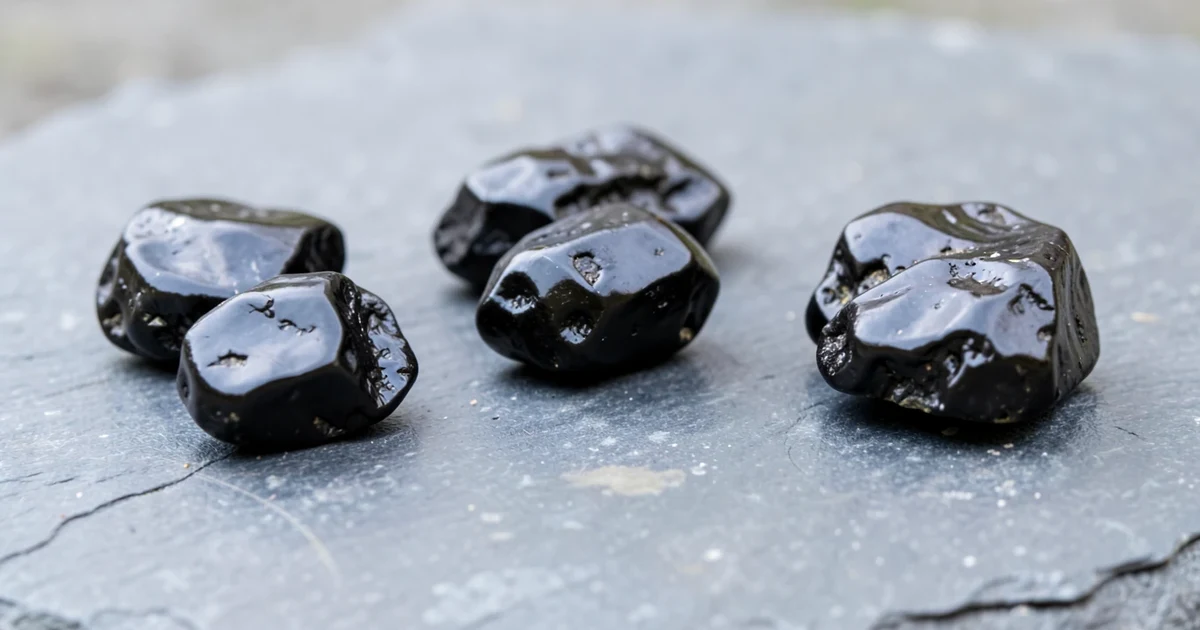 What Is This Black Shiny Rock?Eight things account for nearly every shiny black rock. Streak colour, weight and how it breaks separate all of them in about two minutes.
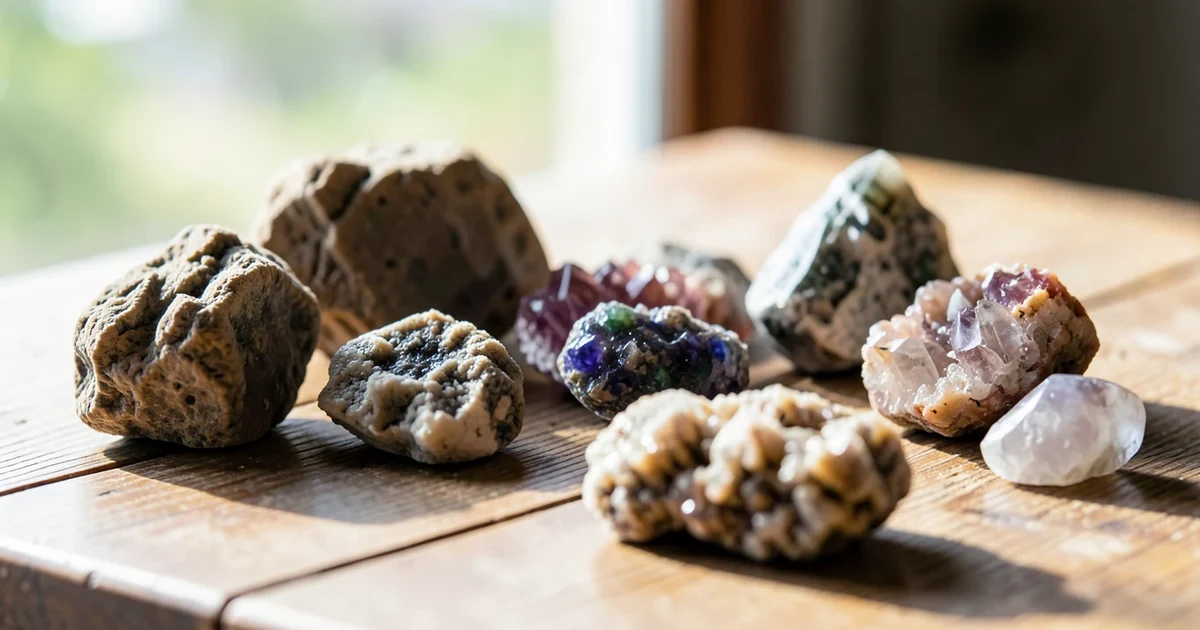 Rock, Mineral, or Neither?A mineral is one substance with one composition. A rock is an aggregate of them. And a great deal of what gets brought in for identification is neither.
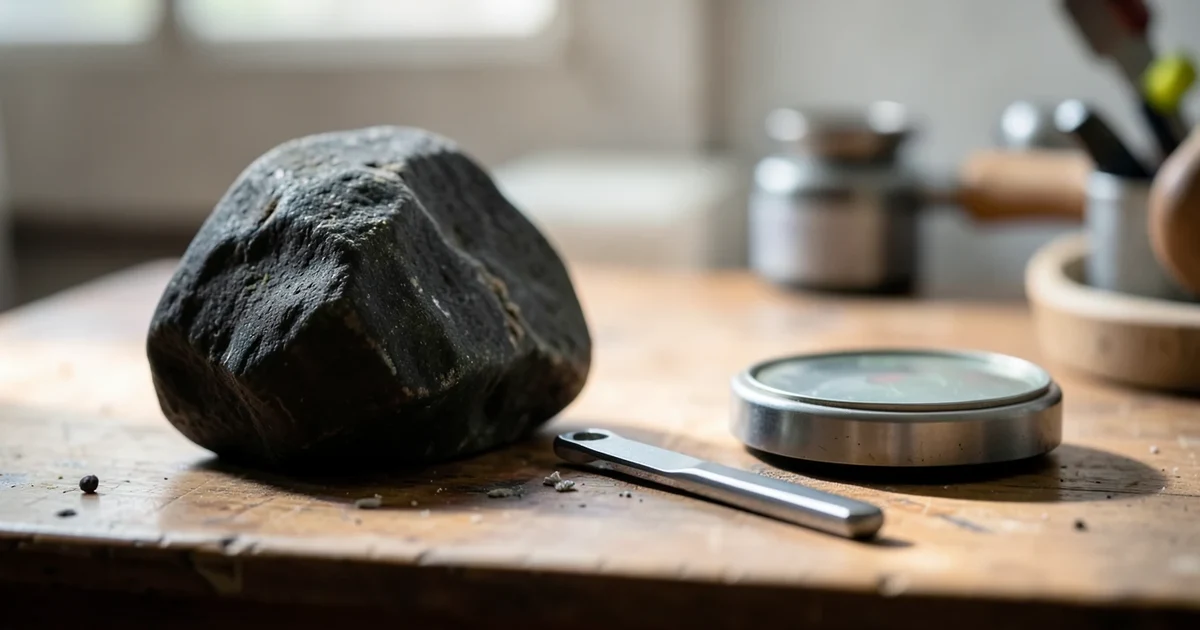 Is This a Meteorite? Almost Certainly NotSlag, magnetite and industrial waste account for nearly every suspected meteorite. Fusion crust, density, magnetism and the nickel test — and what rules one out instantly.
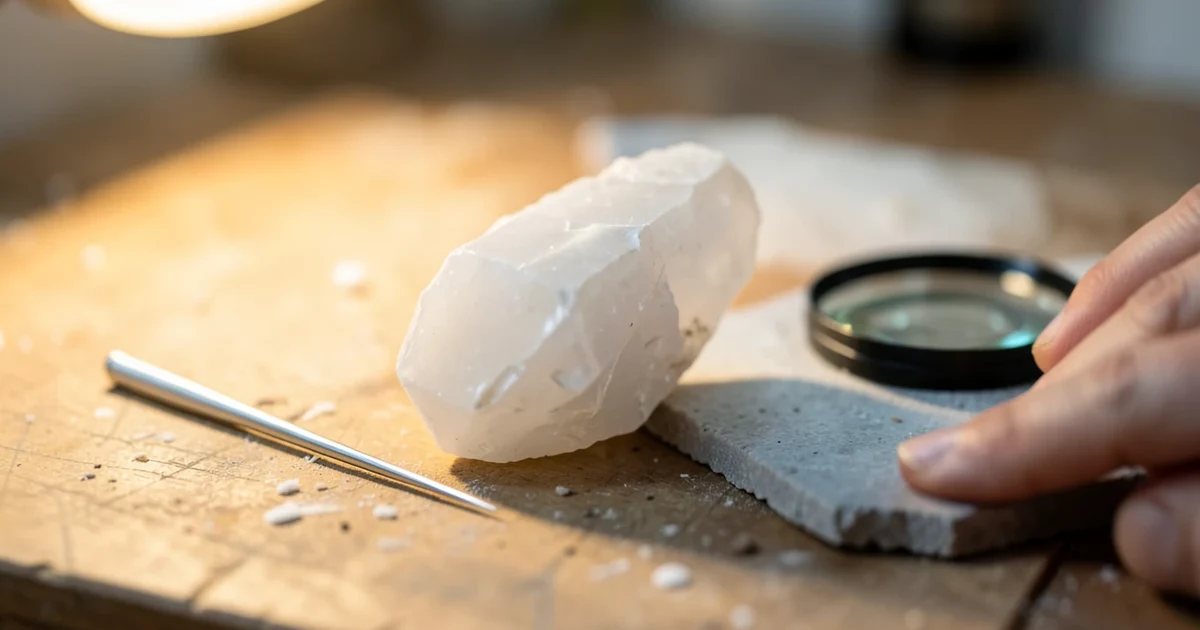 Is There Gold in This Quartz?Usually pyrite or mica, and both are easy to rule out in under a minute. The four tests that settle it, and what a genuine gold-bearing specimen looks like.
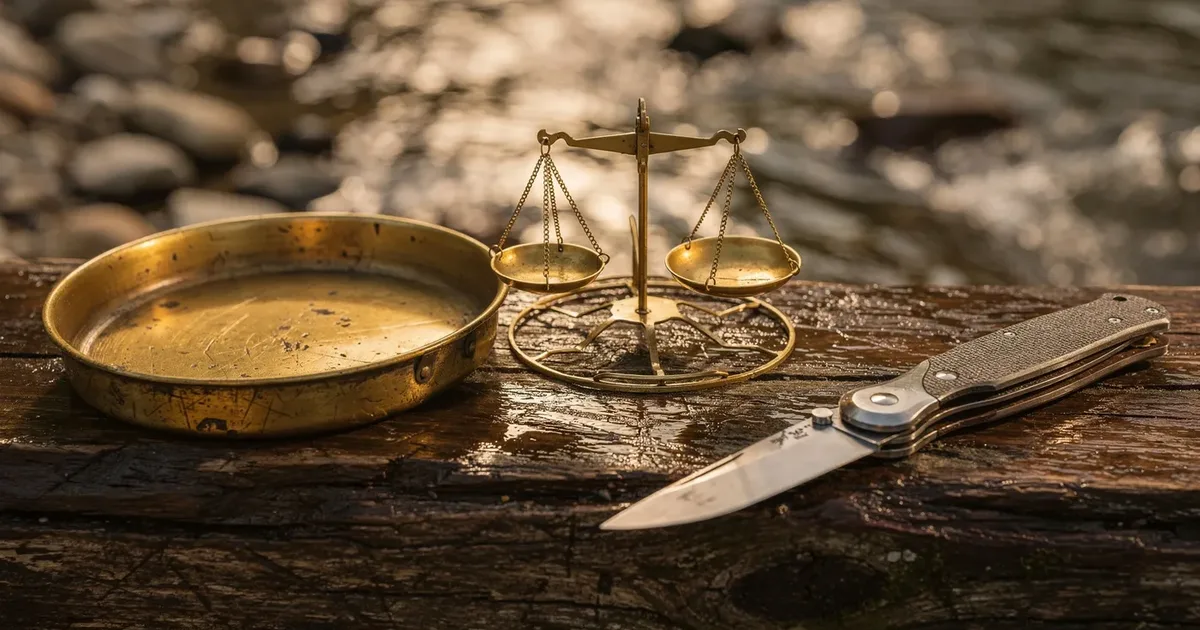 Gold vs Pyrite: Six Tests That Settle It in Two MinutesSix field tests that separate real gold from pyrite, chalcopyrite and mica — using a knife, a ceramic tile and your hands. No chemicals required.
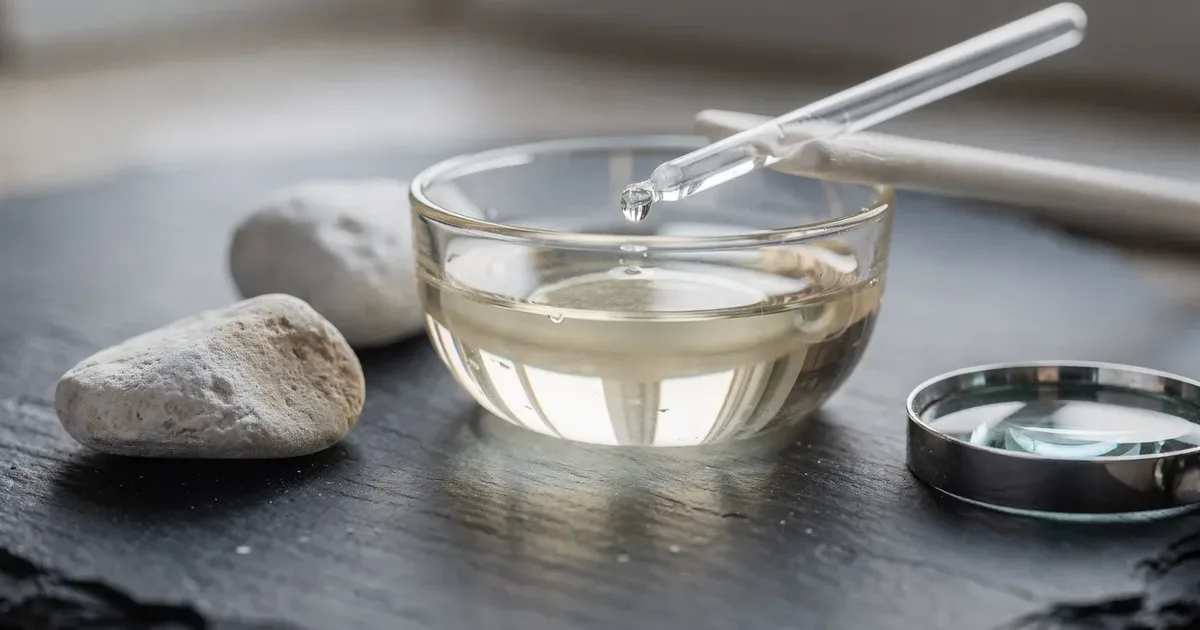 Calcite vs Quartz: How to Tell Them Apart Every TimeCalcite and quartz look almost identical and behave completely differently. Four tests — hardness, acid, cleavage and crystal shape — separate them in under a minute.
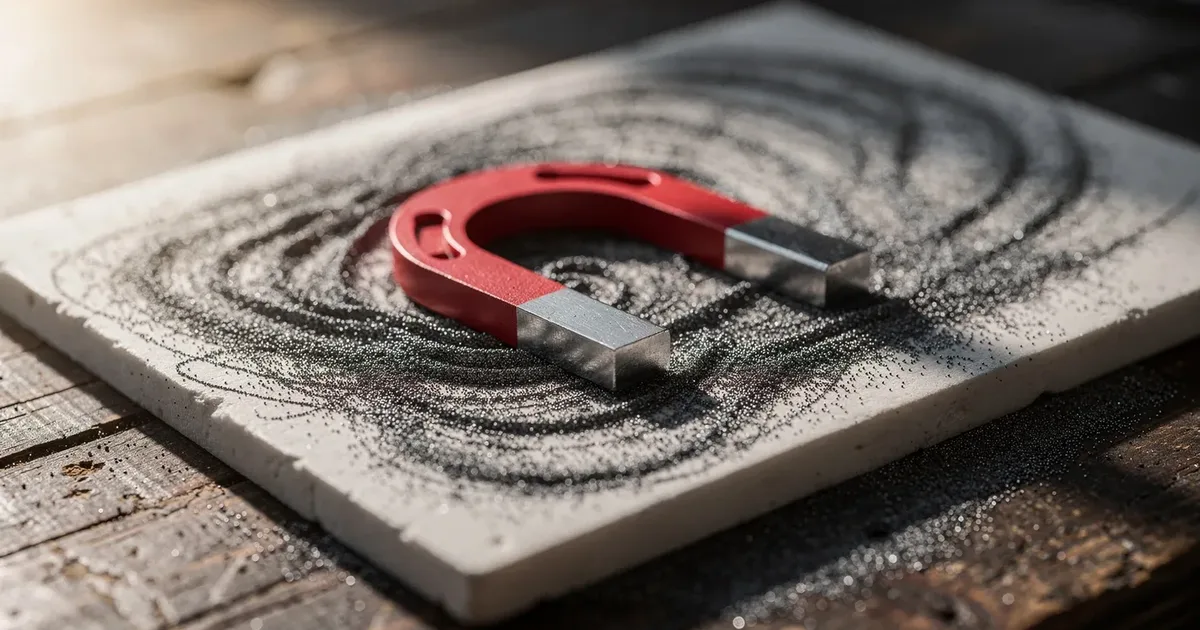 Hematite vs Magnetite: The Magnet and the Streak PlateTwo black iron minerals, two tests. A magnet and a ceramic tile separate hematite from magnetite reliably — here is why, and what to do about the confusing cases.
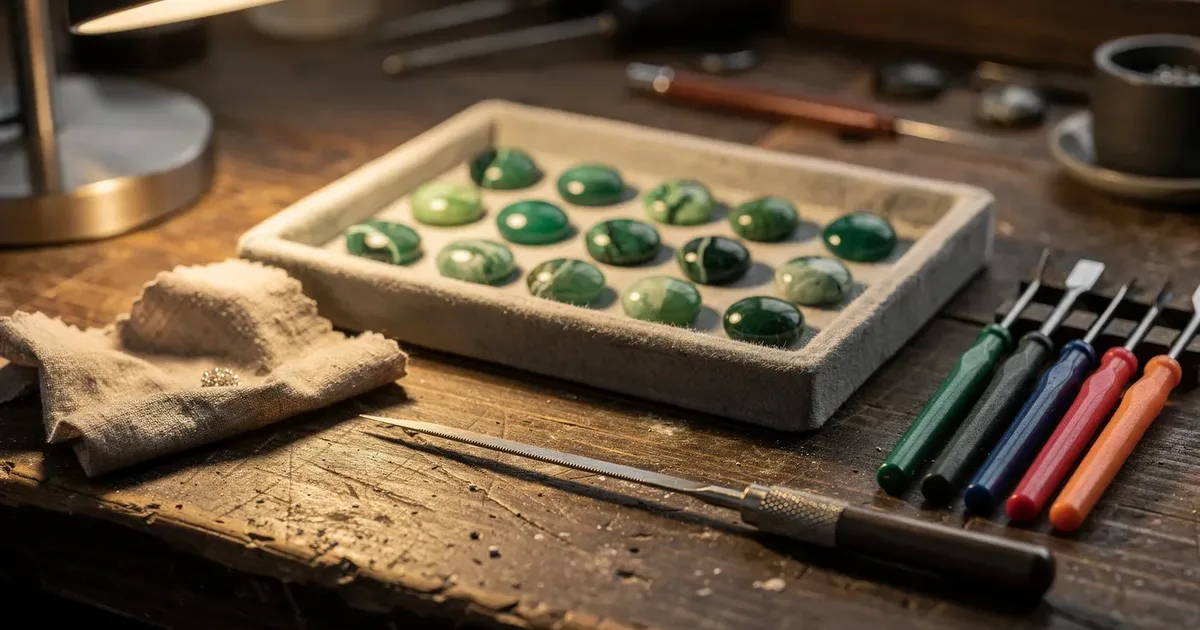 Jade or Serpentine? What Most Green Stone Actually IsMost green stone sold as jade is serpentine. Four practical tests — the knife test, heft, sound and translucency — tell you which one you have.

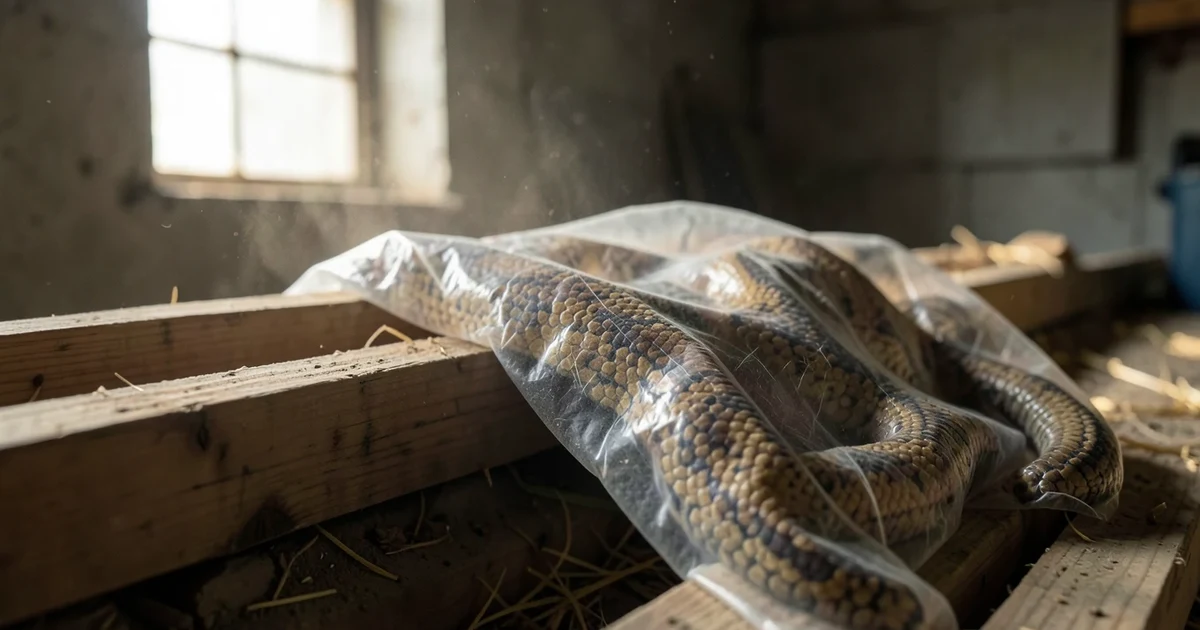 Identifying a Snake From Its Shed SkinA shed skin carries scale counts, keel texture and the anal plate — enough to separate venomous from harmless in North America, and often to reach the species.
 Snake Season, Month by MonthSnake activity has two peaks, not one, and the autumn peak is the bigger of them. Here is the pattern by month, and how far it shifts with latitude.
 What a Baby Copperhead Actually Looks LikeJuvenile copperheads have a bright yellow-green tail tip that adults lose. It is the most reliable feature on a small snake, and almost nothing else shares it.
 How to Tell If a Snake Is Venomous — And Why the Usual Advice Is WrongTriangular heads and slit pupils are the standard advice and both are unreliable. Here is what actually distinguishes venomous US snakes, and why location beats appearance.
 Copperhead or Water Snake? The Band Shape Settles ItCopperhead bands are wide at the sides and narrow over the spine. Water snake bands are the reverse. That one difference resolves most sightings — here is how to read it.
 Cottonmouth or Water Snake? Watch How It SwimsCottonmouths float high on the surface and gape to show a white mouth. Water snakes swim submerged and flee. Four tests you can run from the bank, plus why it matters.
 Coral Snake or Kingsnake? The Rhyme Works — With Two CaveatsRed touches yellow, kills a fellow — the rhyme is accurate in the United States and dangerously wrong elsewhere. Plus a second check that is easier to see: the snout.
 Rattlesnake or Bullsnake? Look at the Tail, Not the NoiseBullsnakes hiss, flatten their heads and buzz their tails convincingly enough to be killed as rattlesnakes constantly. One glance at the tail settles it.

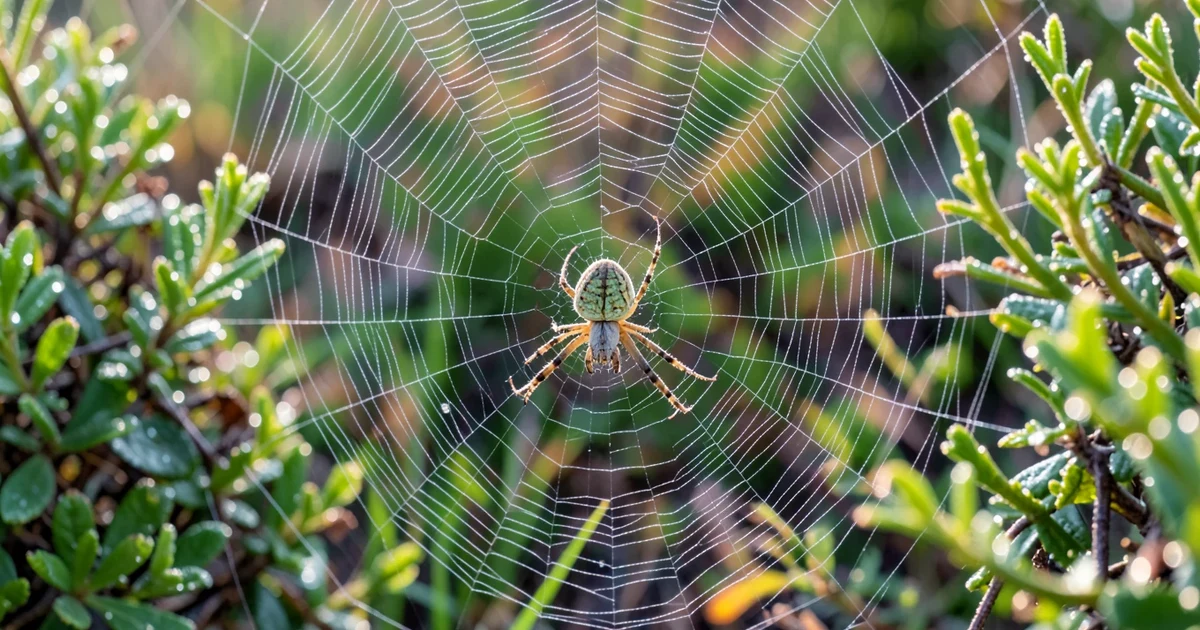 The Big Spider in the Garden Web: Orb WeaversThe large spider in the wheel-shaped web across your path is an orb weaver, it is harmless, and it will be gone by December on its own.
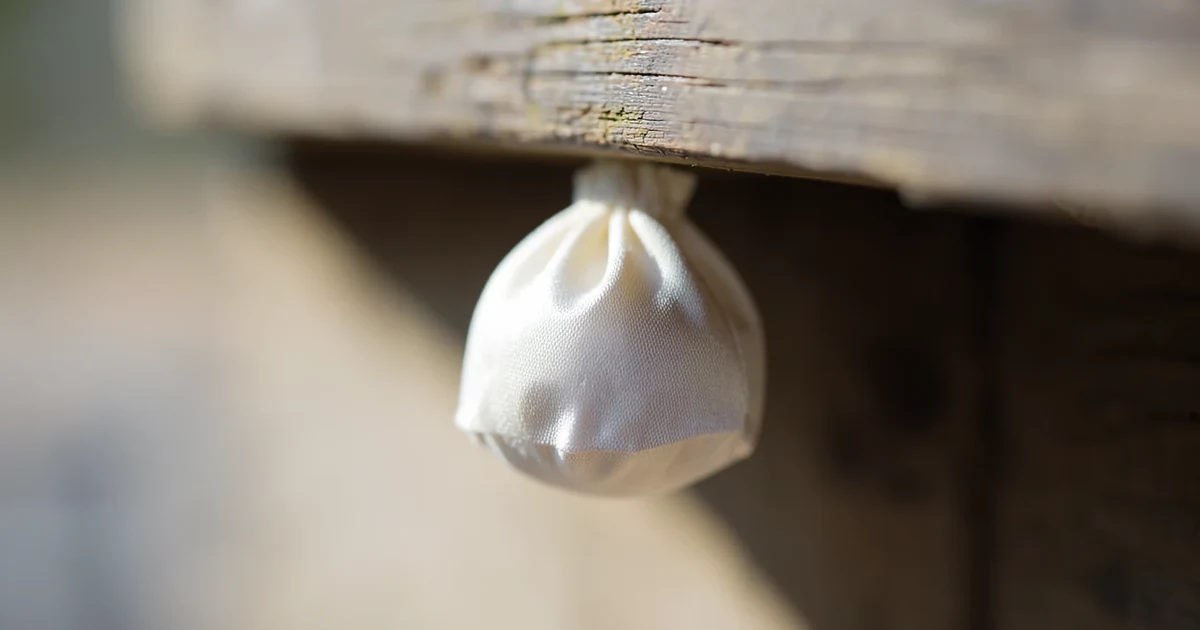 What Is in That White Ball? Spider Egg SacsEgg sacs are more distinctive than the spiders that made them. Shape, texture and where it is attached identify the group — including the one that matters.
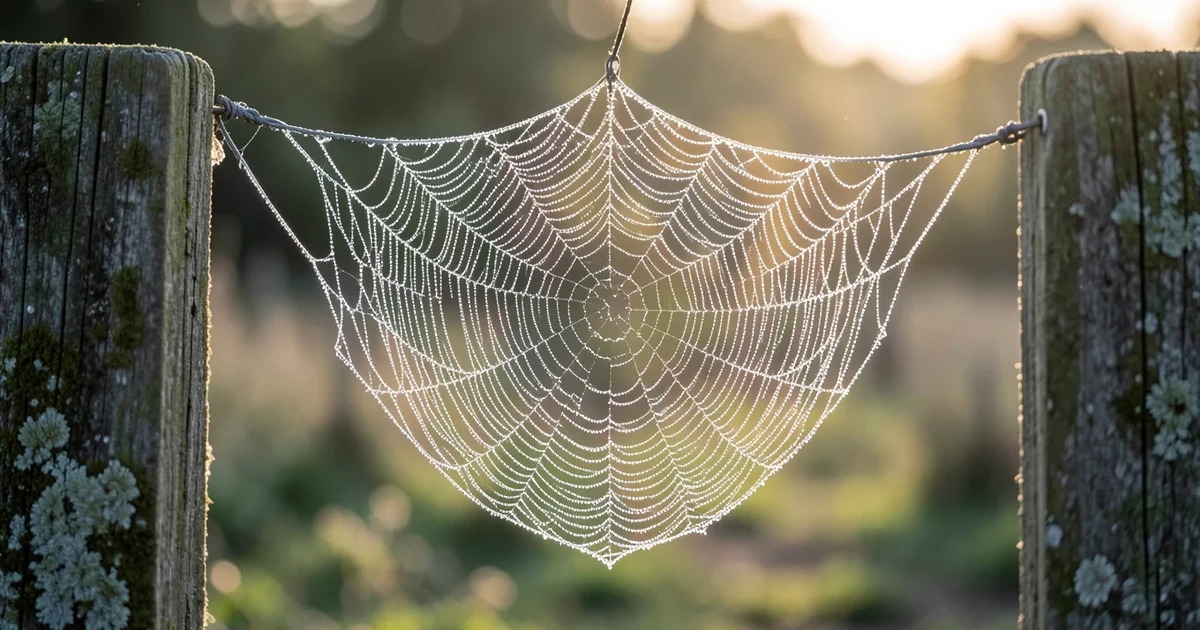 Identifying a Spider by Its WebWeb architecture is fixed by family, so the web identifies the group even when the spider is hidden. Four shapes cover almost everything you will find.
 Are There Black Widows Where You Live?Four widow species cover most of the United States between them, and the brown widow is still spreading. The range is far wider than the recluse's.
 The Yellow Sac Spider: Small, Pale, and the One That Actually BitesPale, small, and responsible for a large share of genuine indoor spider bites — because it wanders at night and ends up in bedding rather than because it is aggressive.
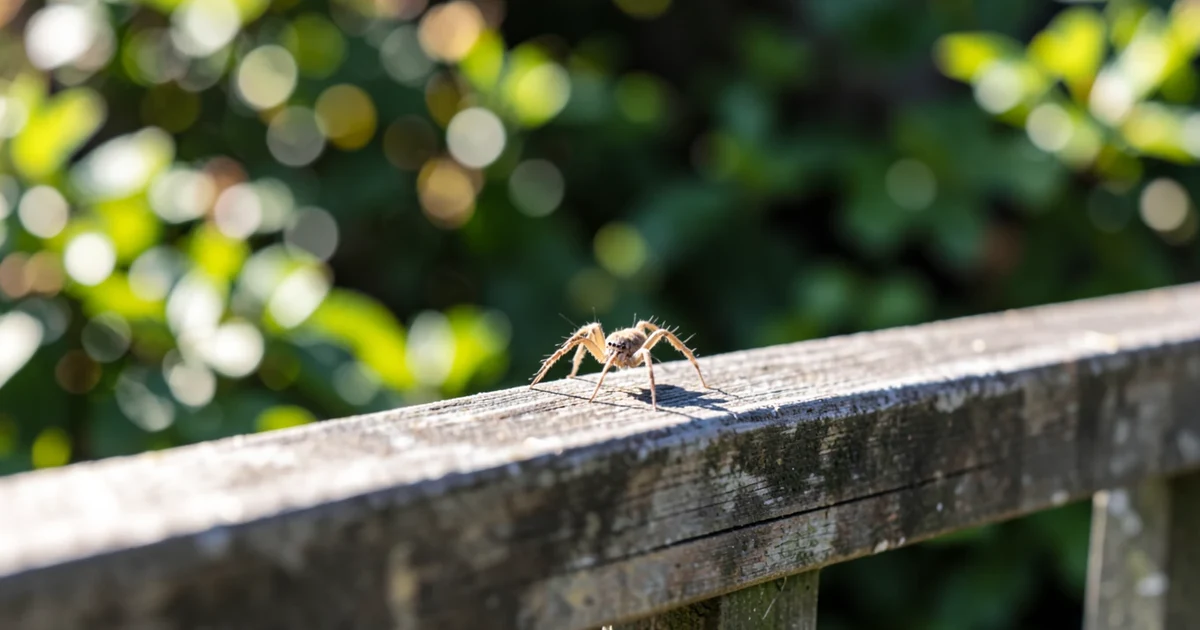 Jumping Spiders: How to Recognise the Ones Watching You BackTwo enormous forward-facing eyes and a habit of turning to look at you. Jumping spiders have the best vision of any spider and are entirely harmless.
 Wolf Spider or Nursery Web Spider? Watch What She CarriesA wolf spider carries her egg sac attached to her spinnerets and her young on her back. A nursery web spider carries hers in her jaws. Eye arrangement confirms it.
 Do Brown Recluses Come Out During the Day?They are nocturnal, but that is not the useful answer. What matters is when and why they end up on an open floor, and which encounters actually lead to a bite.
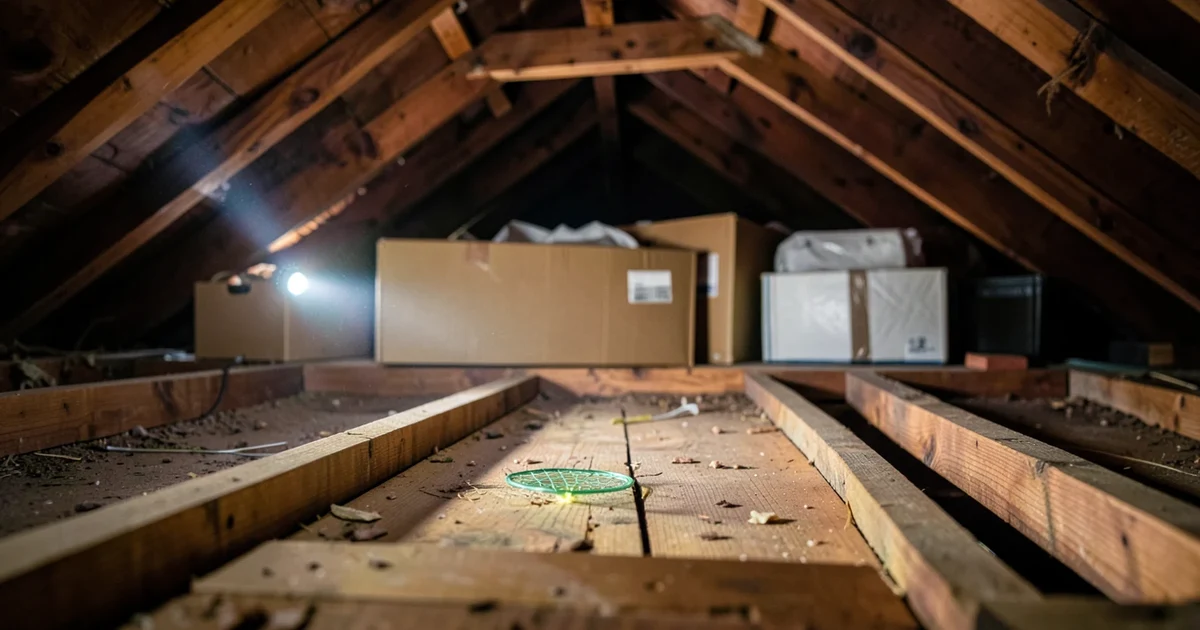 What a Brown Recluse Infestation Actually Looks LikeOne spider is not an infestation. Here is what a genuine population looks like, how to find out with sticky traps, and what the numbers in real houses actually are.
 Six Spiders That Look Like a Brown Recluse (And Are Not)Cellar spiders, funnel weavers, wolf spiders, sac spiders, ground spiders and woodlouse hunters — and the one feature each of them has that a recluse never does.
 How to Know If It Really Is a Brown RecluseSix eyes in three pairs, uniform tan legs, and no pattern anywhere. The violin is the feature everyone checks first and the least dependable one on the animal.
 Brown Recluse or Wolf Spider? Size Settles ItWolf spiders are big, hairy and patterned. Recluses are small and plain. Five differences you can check from a photograph, starting with the one that resolves most cases.
 Black Widow or Common House Spider? Look UnderneathWidows and house spiders build the same messy web in the same dark corner. The red hourglass underneath is the whole test — plus three backup checks including the egg sac.

- Root Rot, Caught Early Enough to MatterAbove ground it looks exactly like drought. The difference is in the pot, and checking takes two minutes.
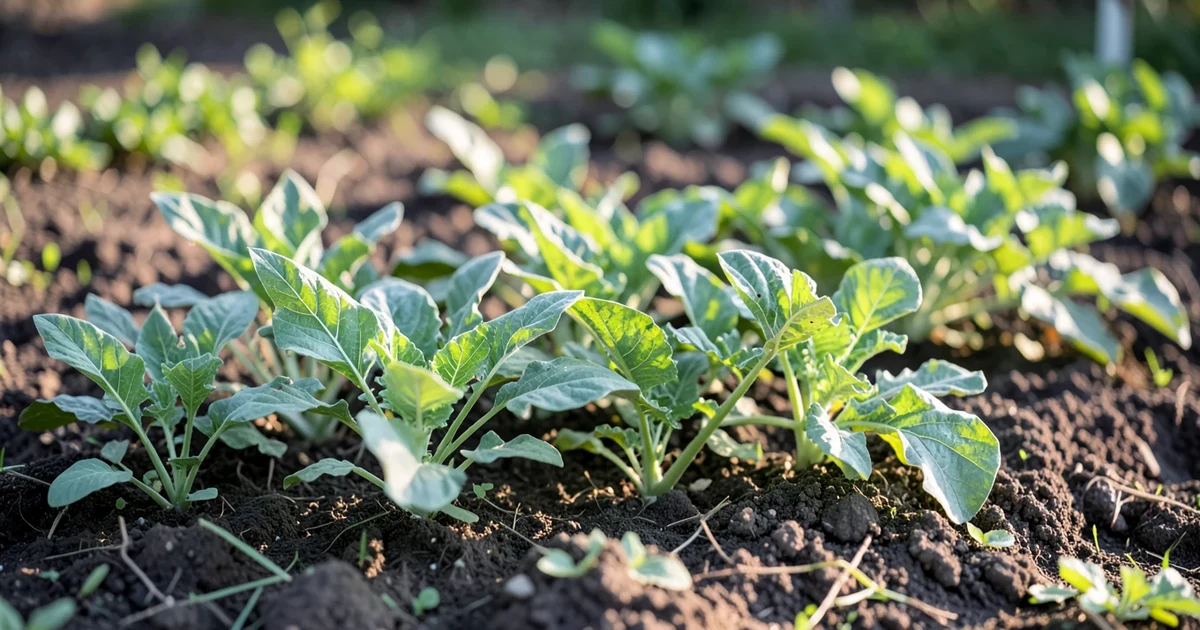 Is It Really a Nutrient Deficiency? Usually NotOld leaves or new leaves — that one question splits the mobile nutrients from the immobile ones, and rules out most of what gets blamed on feeding.
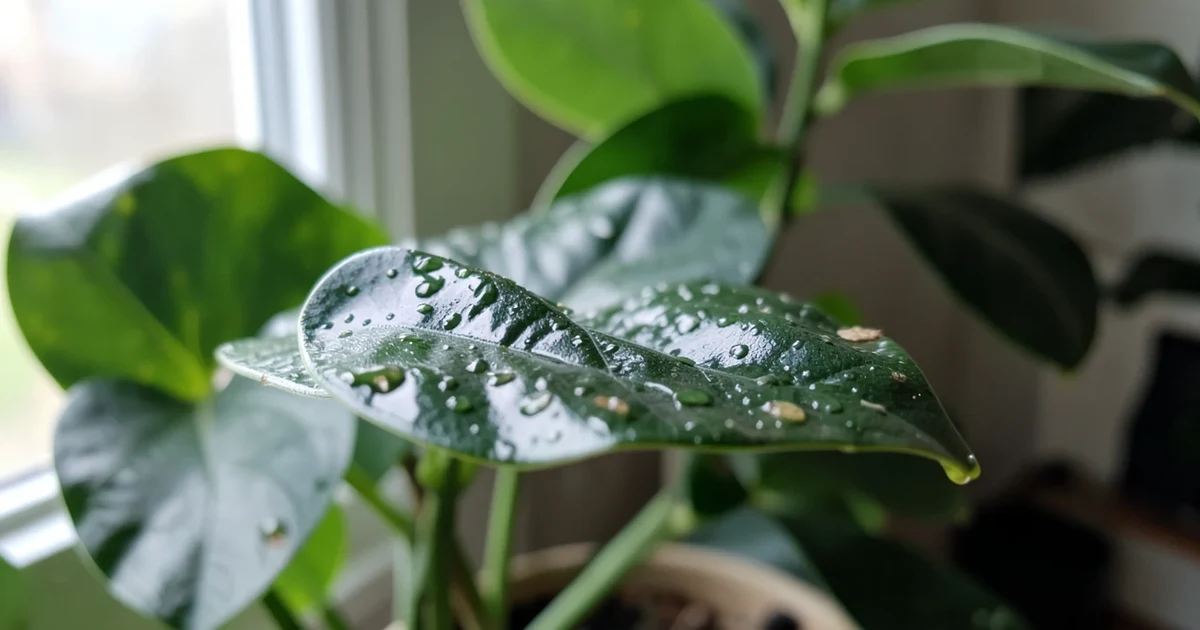 Sticky Leaves: What Honeydew Means and Who Is Making ItSticky residue is insect excretion, and it always comes from above. Four sap-feeders produce it, and each leaves a different sign on the plant.
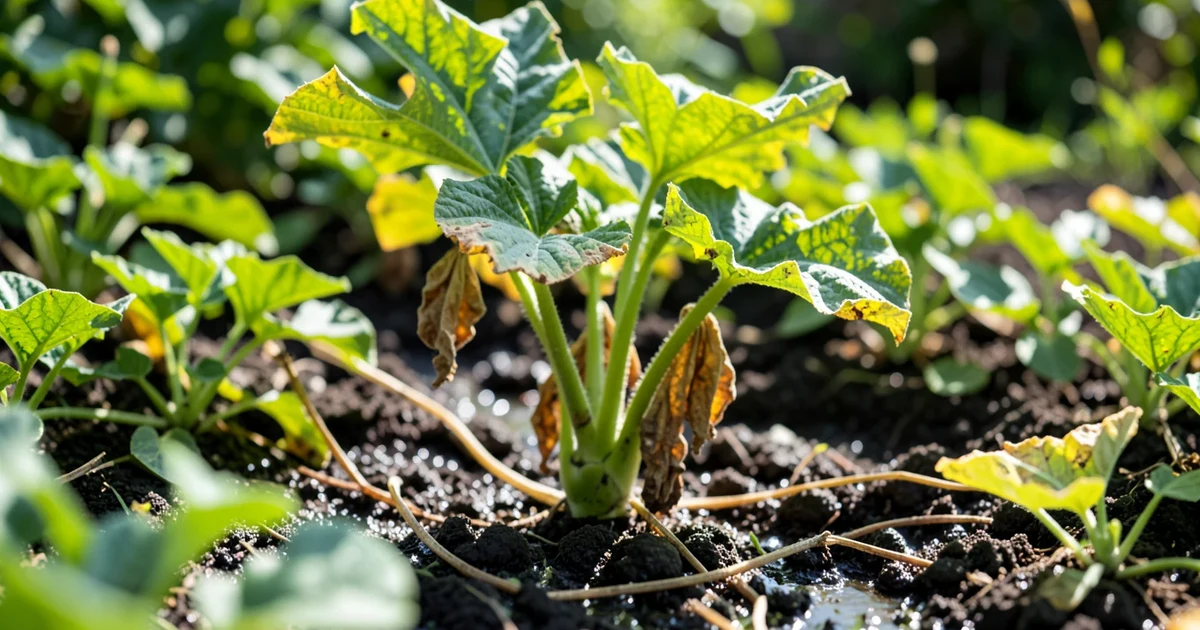 Wilting Even Though You Watered ItA plant wilting in wet soil has a supply problem, not a water problem. Root rot, vascular wilt and stem borers each leave a different mark.
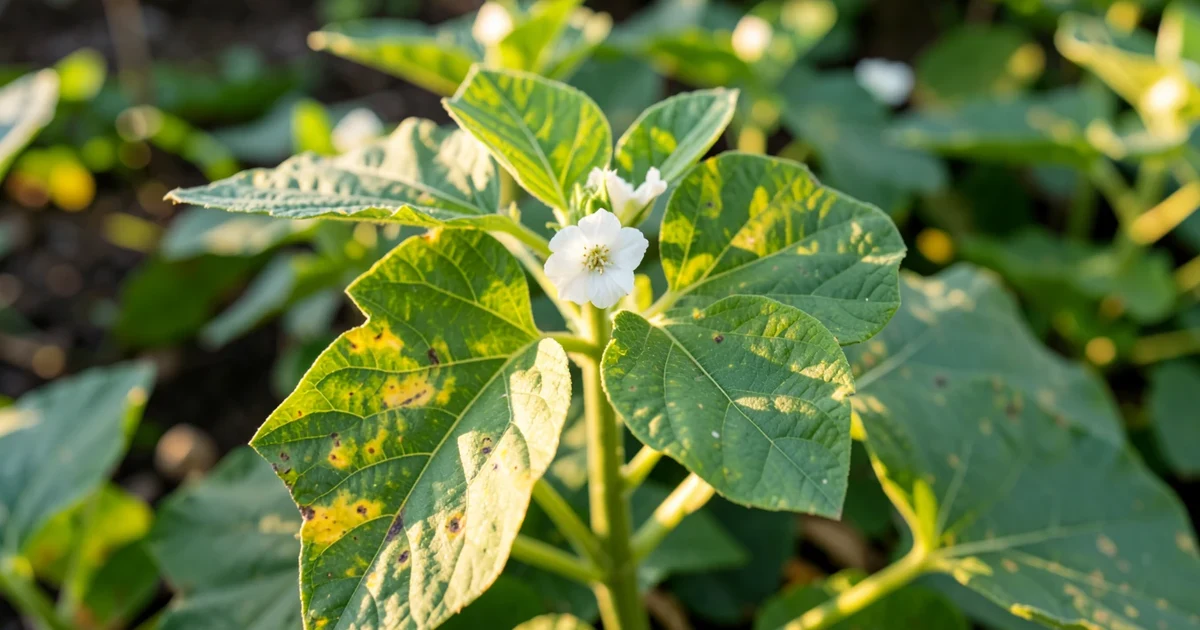 Powdery Mildew or Downy Mildew? They Are Not RelatedPowdery mildew sits on top of the leaf and wipes off. Downy mildew grows underneath and is bounded by the veins. One is a nuisance; the other kills crops.
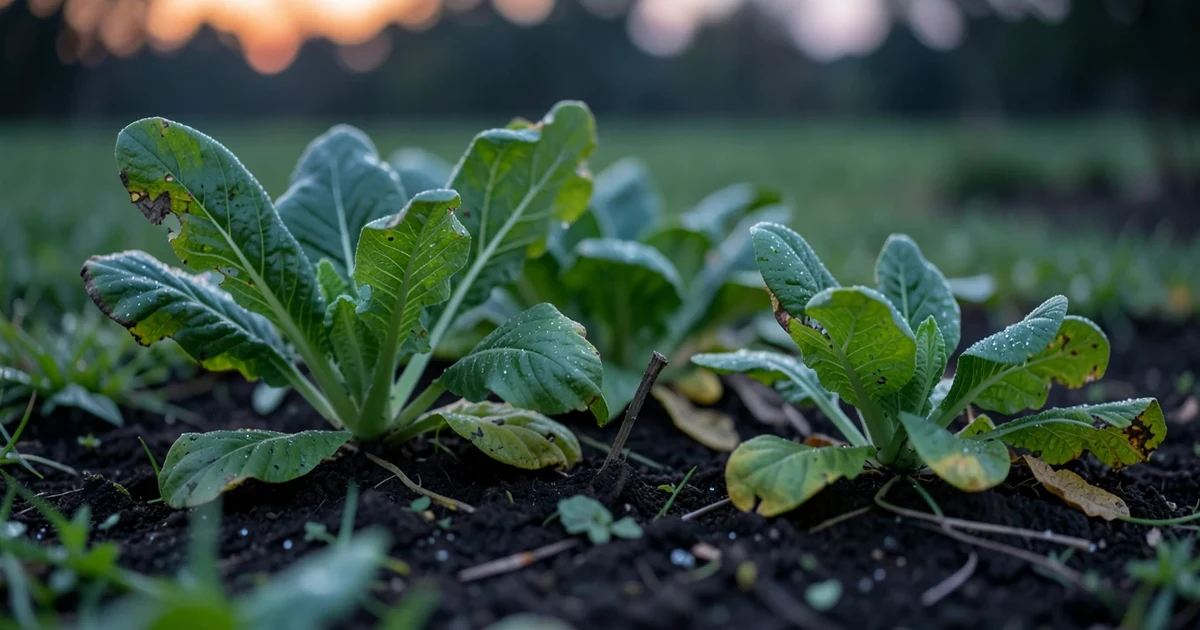 Something Is Eating My Leaves. What, and When?The shape of the damage identifies the culprit better than catching it. Holes, edge notches, windowpaning and slime trails each point somewhere different.
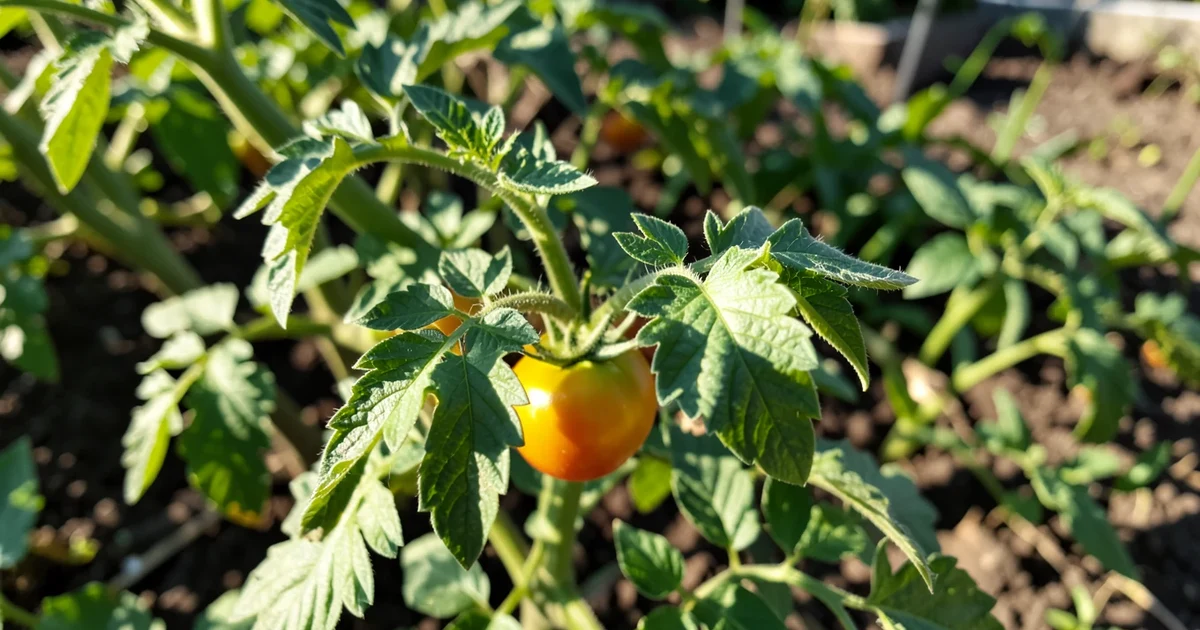 Leaves Curling Up or Curling Down? The Direction Tells You WhyCurling upward and inward is usually water stress or heat. Curling downward and outward points at overwatering, root damage or herbicide. Direction narrows it fast.
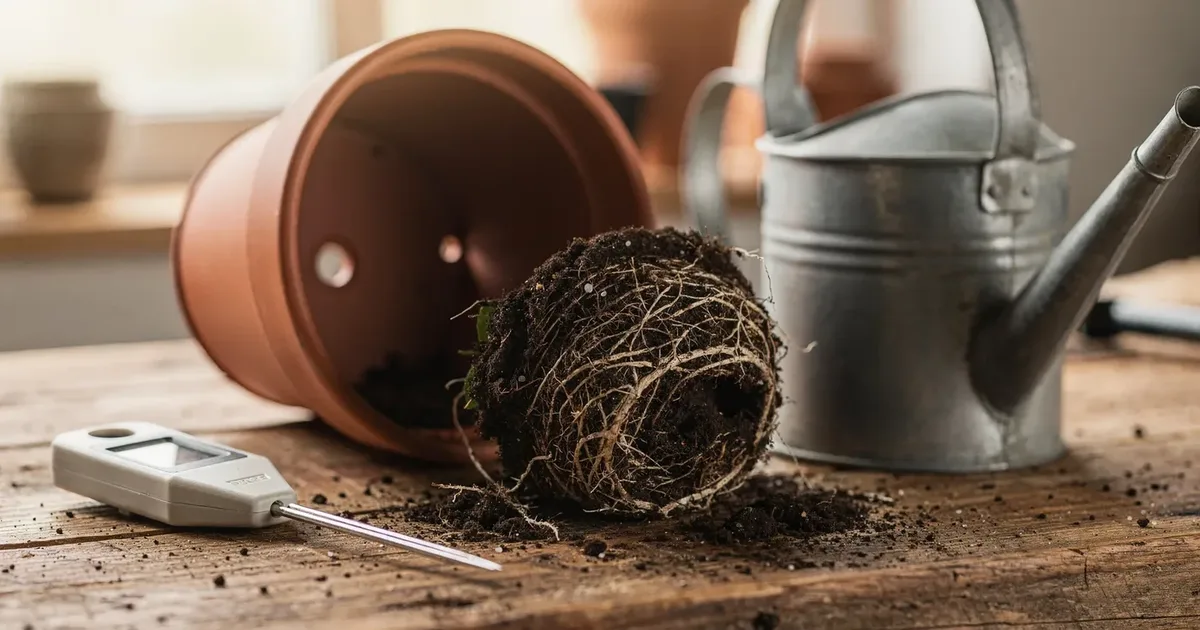 Overwatering or Underwatering? The Leaves Won't Tell YouBoth make a plant droop and yellow, and the treatments are opposites. The soil, the leaf texture and the recovery time separate them in under a minute.
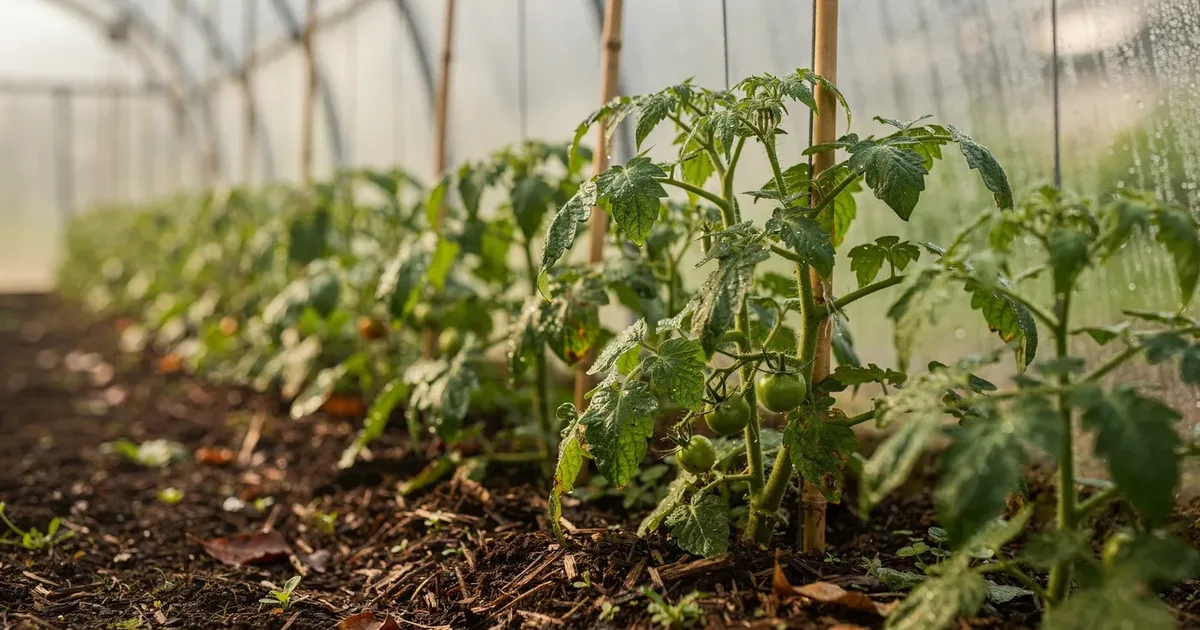 Which Tomato Leaf Spot Is It? Rings, Dots and GreaseFour diseases spot tomato leaves and they need different responses. Concentric rings, tiny black dots and a greasy texture separate them — one of them needs acting on today.

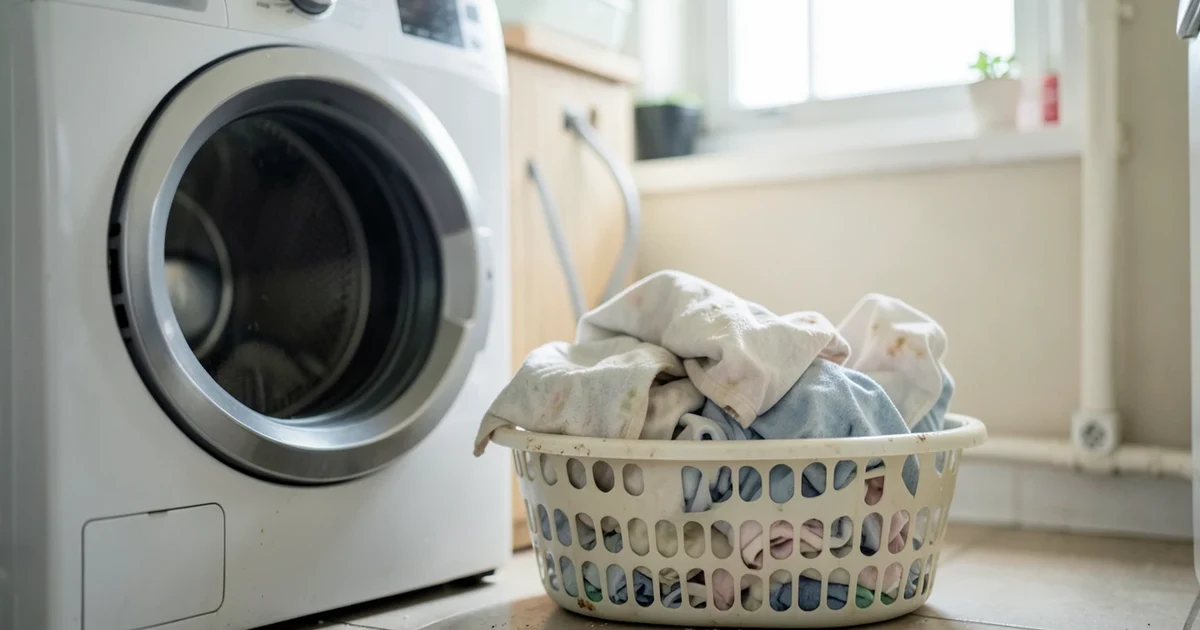 Mold on Clothes and FabricMost fabric mold washes out if you get to it early. Mildew stains set with heat, so the drying step is where garments are usually lost.
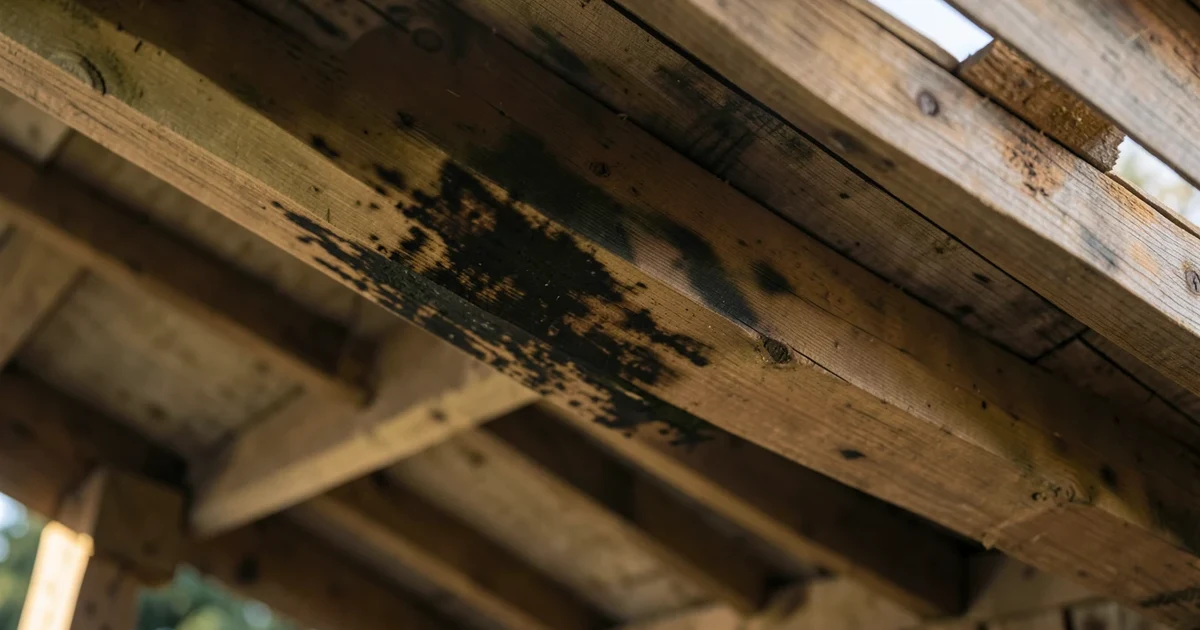 Mold in the Attic: Almost Always VentilationAttic mold is warm moist air from the house meeting cold roof sheathing. The pattern of growth points at exactly where it is getting in.
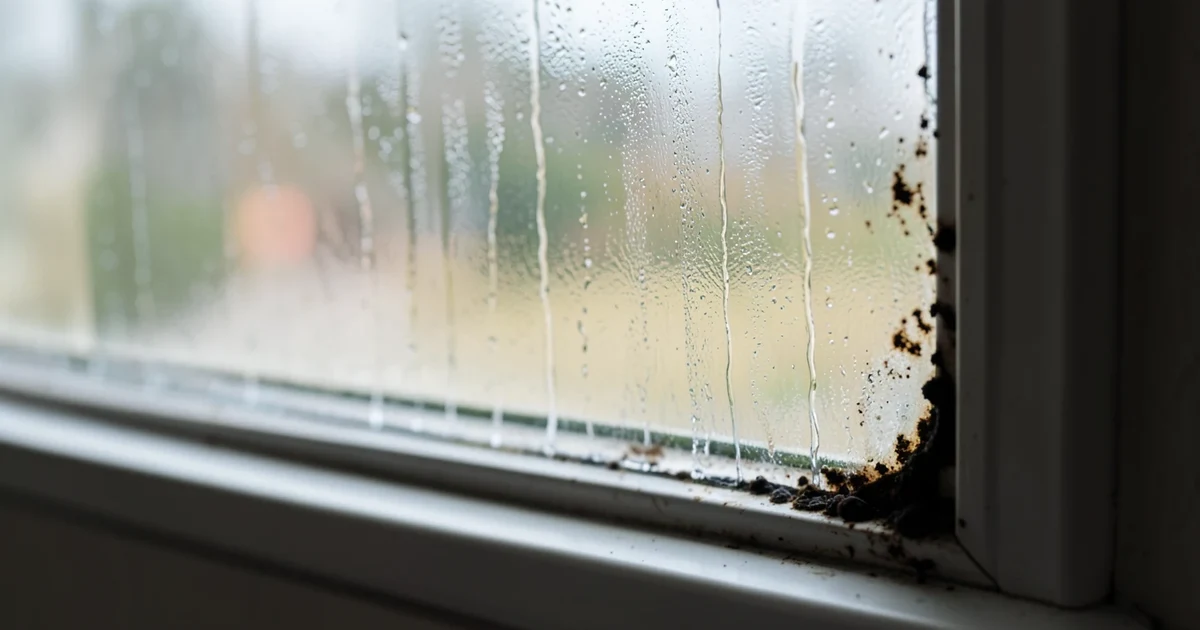 Black Mold Around Windows: It Is CondensationMold on a window reveal is the coldest surface in the room collecting the room's moisture. Cleaning it treats the symptom; three changes treat the cause.
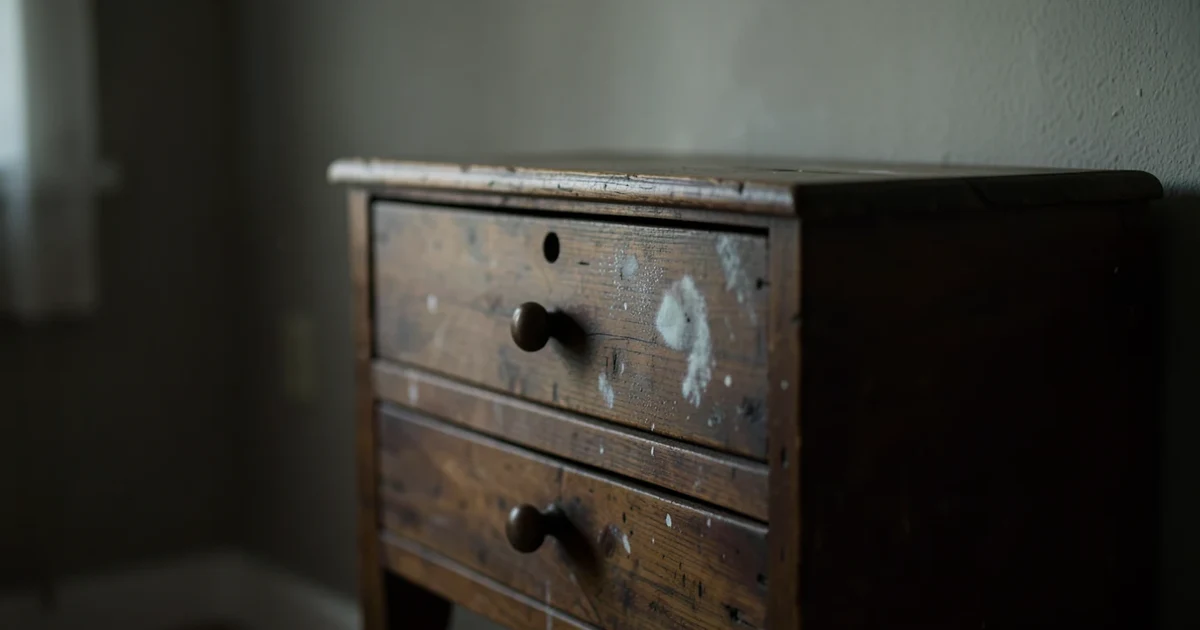 Mold on Wood FurnitureSurface mold on a finished piece wipes off. Mold on bare wood has gone into the grain, and the difference decides whether the piece is recoverable.
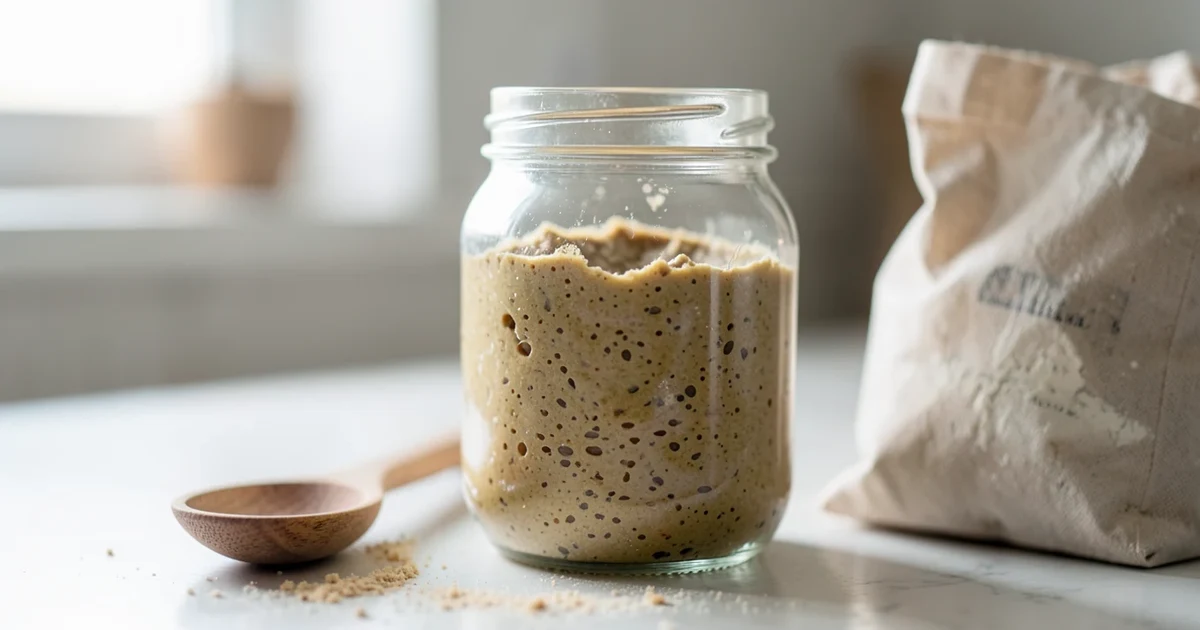 Mold on a Sourdough Starter, or Just Kahm and Hooch?Fuzzy and coloured means throw it out. Flat white film, grey liquid, or an acetone smell are normal and fixable — and most starters are discarded unnecessarily.
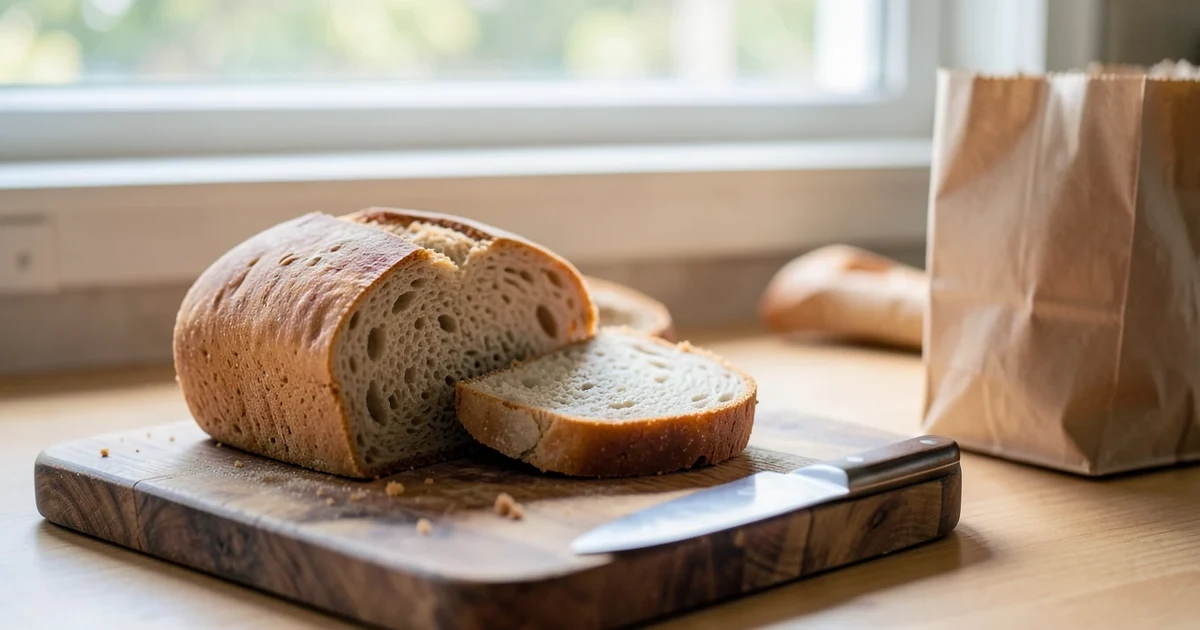 Mold on Bread: Is the Rest of the Loaf Safe?No, and bread is the clearest case of all. Why cutting the moldy part off works for hard cheese and not for bread, and what the fuzz you can see is hiding.
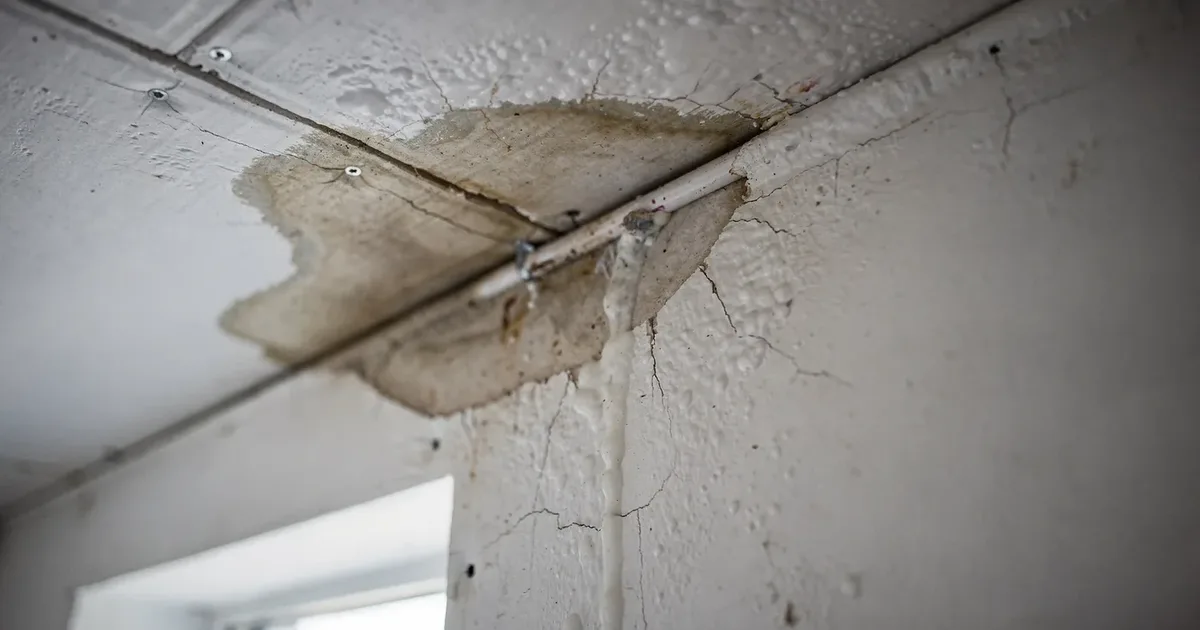 Toxic Black Mold: What the Evidence Actually SaysStachybotrys is real, produces mycotoxins, and needs soaked material to grow. What it is not is a separate category of danger requiring a different response.

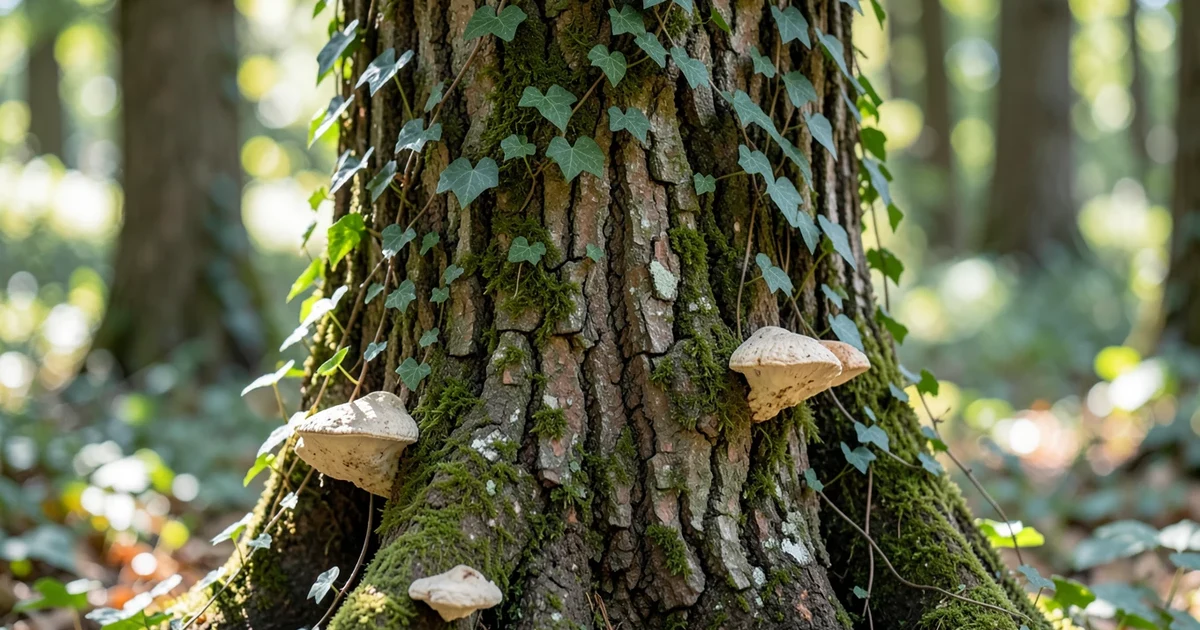 Mushrooms Growing on My Tree: What That MeansA fruiting body on a living trunk means the fungus has been inside the wood for years. The position on the tree tells you which part is affected.
 Oyster Mushrooms and the Three Things That Look Like ThemDecurrent gills, an off-centre stem or none, and growth in shelving clusters on wood. Two lookalikes are poisonous and one is merely disappointing.
 Honey Fungus or Deadly Galerina? The Spore Print DecidesBoth are small brown clustered mushrooms on wood. One is edible cooked; the other contains the same toxins as a death cap. The spore print separates them.
 Chanterelle or Jack-O'-Lantern? Try to Peel a GillA chanterelle has blunt forking ridges that cannot be separated from the flesh. A jack-o'-lantern has true blade-like gills, grows on wood, and will make you very ill.
 Morel or False Morel? Cut It LengthwiseA true morel is completely hollow from cap tip to stem base, and its cap is attached at the bottom. A false morel is neither, and it is genuinely dangerous.
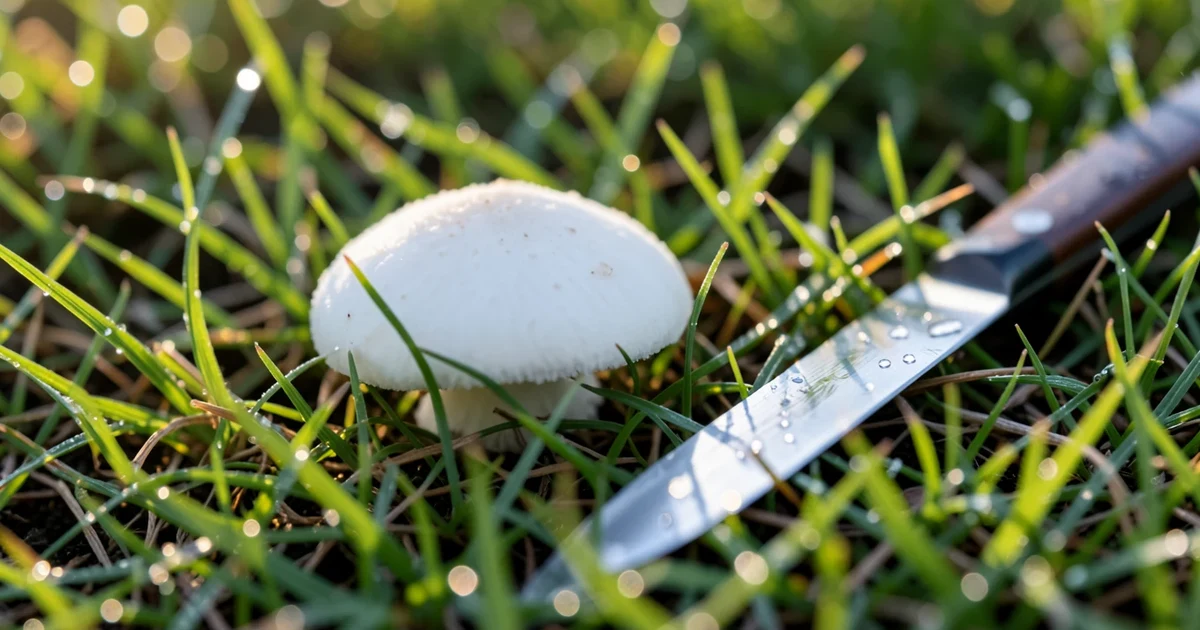 Puffball or a Young Amanita? Cut It in HalfA young deadly Amanita in its egg stage looks exactly like a puffball from outside. One cut, lengthwise, settles it — and there is no substitute.
 The Death Cap: The One Worth Learning FirstOne species accounts for most fatal mushroom poisonings worldwide. It is unremarkable to look at, and that is the problem.
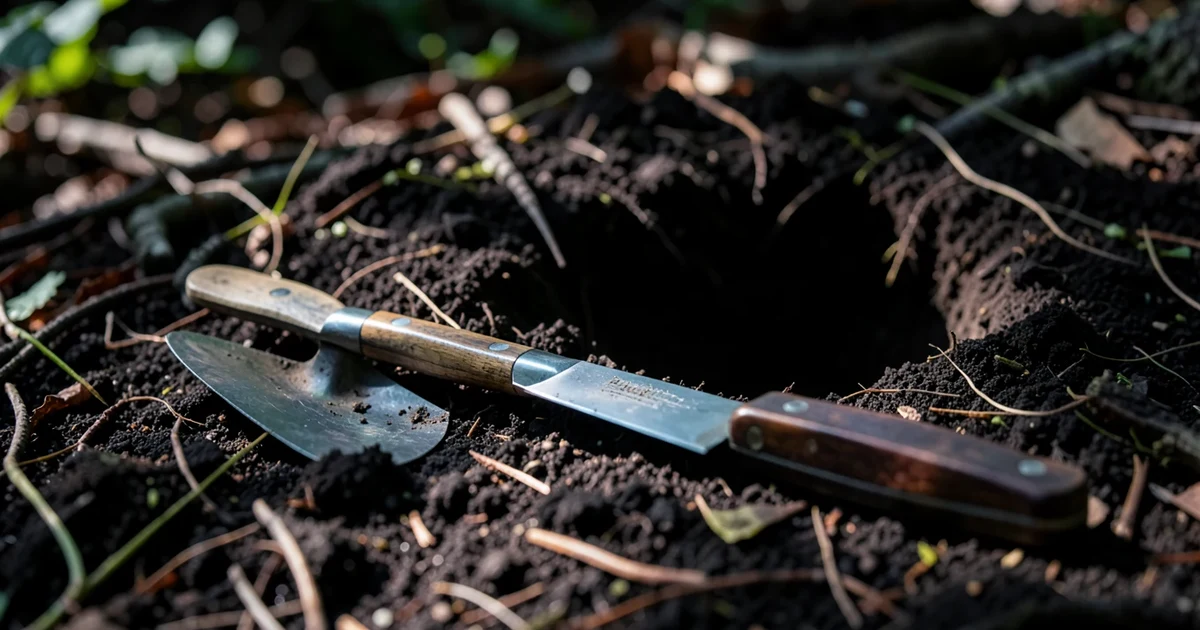 The Parts of a Mushroom You Have to CheckSix features carry nearly all identification, and two of them are commonly destroyed by the way people pick. Here is what each one is and why it matters.
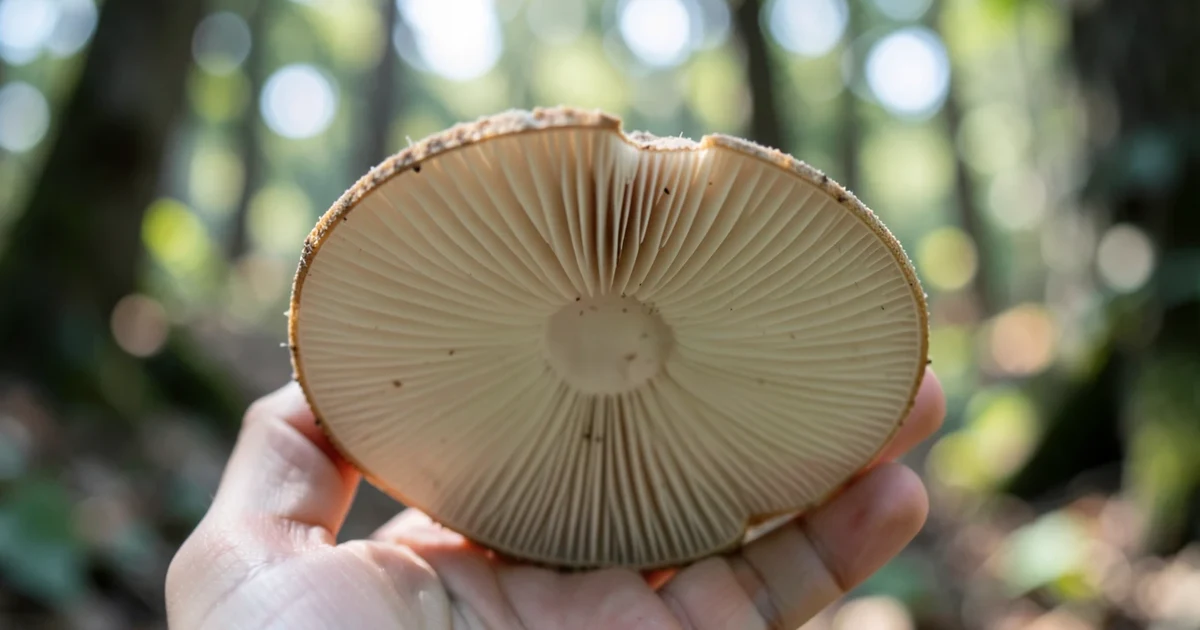 Gills, Pores or Teeth? The First QuestionWhat is under the cap splits the fungi into groups before anything else. It also decides how much trouble a mistake can cause.
 The White Mushrooms in Your Lawn: What They Usually AreWhite is the colour the deadly Amanitas share with several harmless lawn species. What separates them, and the one feature that is almost always underground.
 Mushrooms in the Lawn: What They Mean and Whether to Remove ThemThey mean buried wood and a working soil, not a sick lawn. Why mowing spreads them, what actually reduces them, and when they are worth removing anyway.
 Are the Mushrooms in My Yard Poisonous to Dogs?Some are, and dogs eat them more readily than people expect. What to do in the first hour, which species actually kill dogs, and why waiting for symptoms is the mistake.
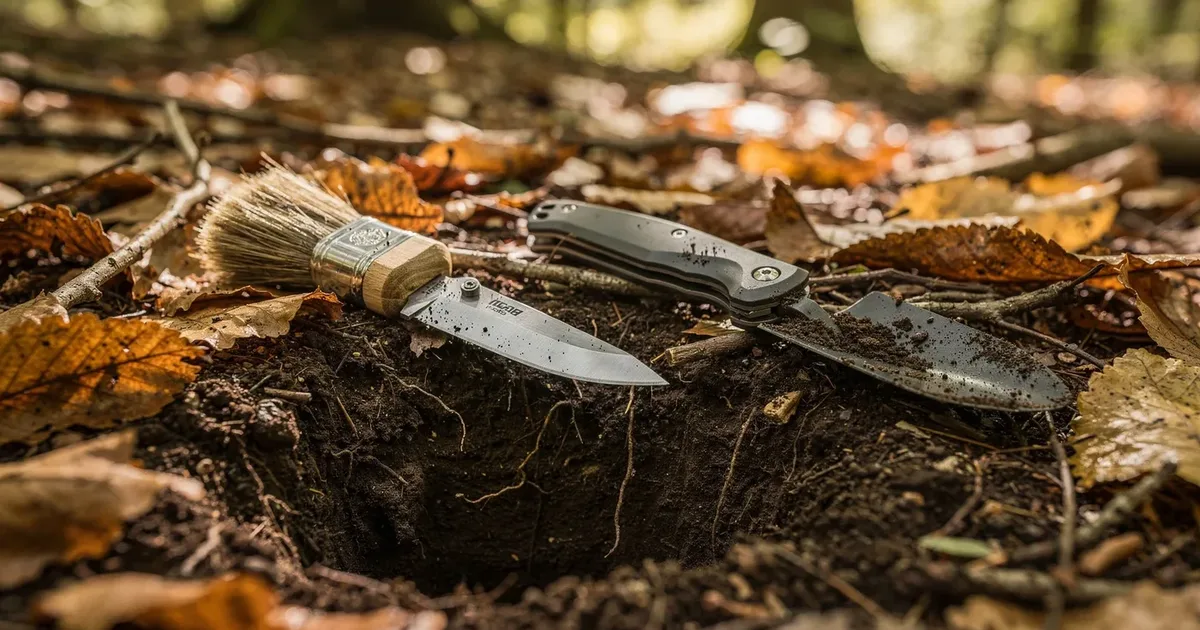 The Amanita Check: Dig It Up, Every TimeMost fatal mushroom poisonings are one genus. Two features identify it, one is usually underground, and pulling the mushroom rather than digging destroys the evidence.

- Maple or Sycamore? Look at the Bark, Not the LeafBoth have big lobed leaves and both are everywhere. The leaves are genuinely similar; the bark and the seeds are not, and either settles it in seconds.
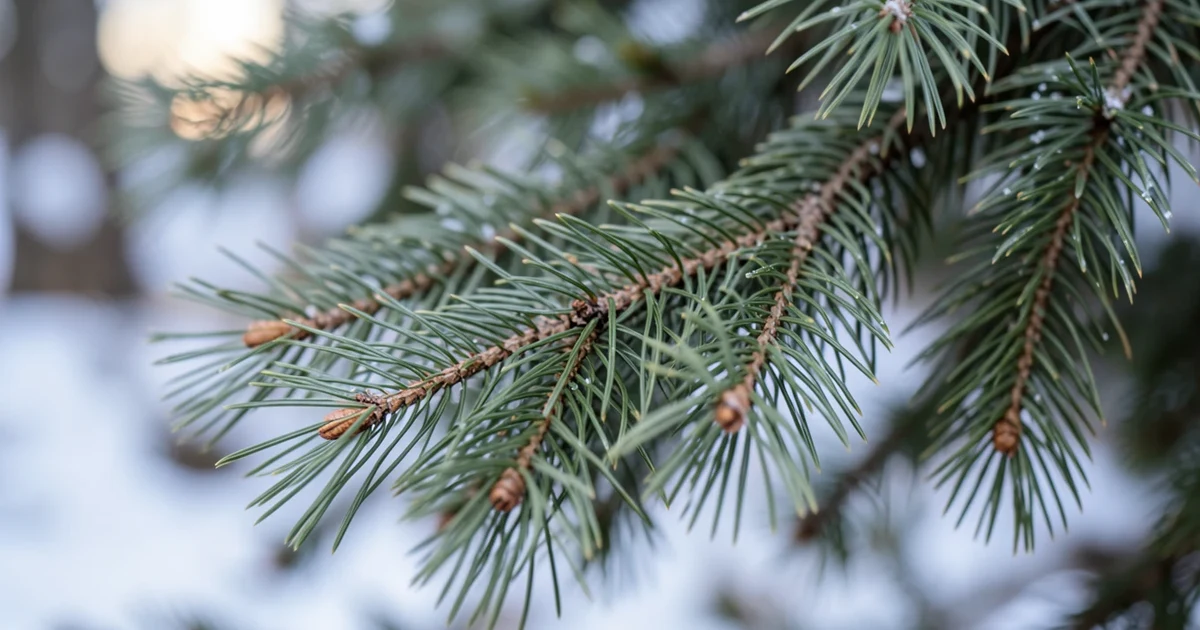 Pine, Spruce or Fir? Start With How the Needles AttachNeedles in bundles means pine. Single needles that roll between your fingers means spruce; flat ones that will not roll means fir. Three seconds, no guide needed.
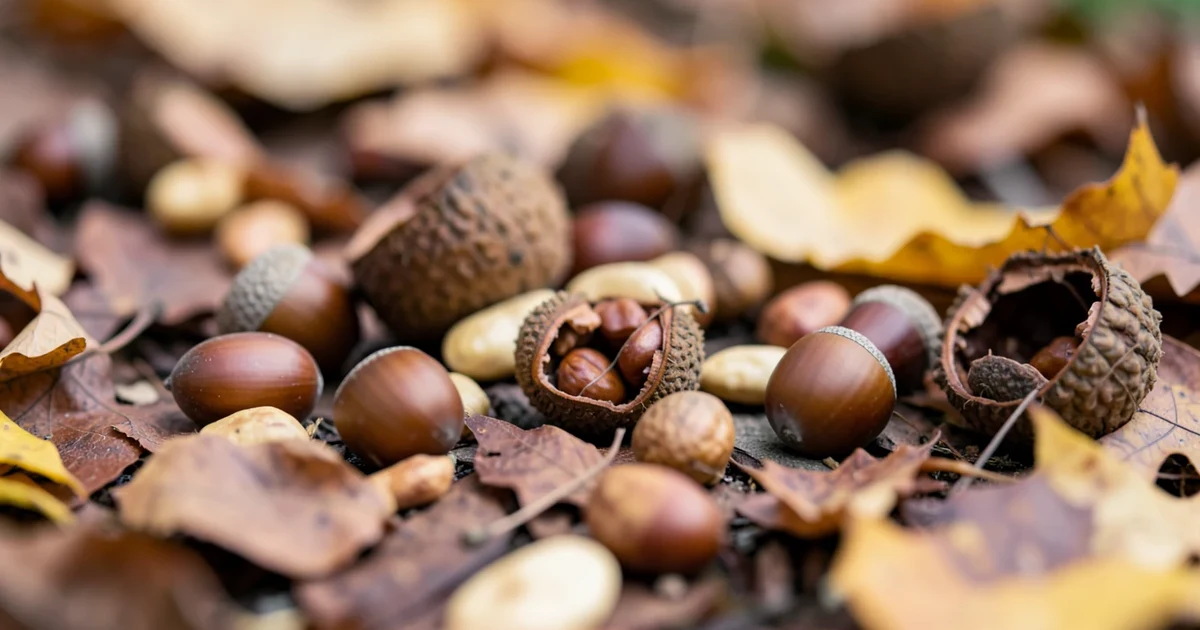 What Tree Did This Nut Come From?Nuts and their husks are the most specific thing a tree drops. A dozen types cover almost everything you will find on the ground in eastern North America.
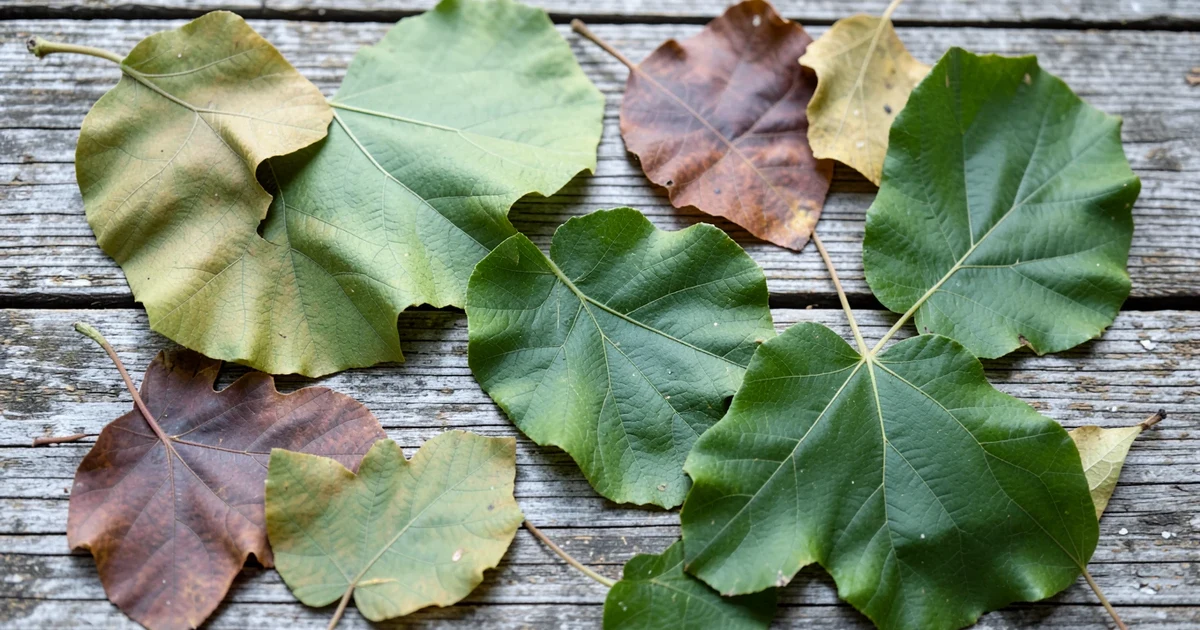 Leaf Shape, Properly: Lobed, Toothed, EntireEvery tree key asks whether the margin is lobed, toothed or entire, and whether the leaf is simple or compound. Here is what those four words actually mean.
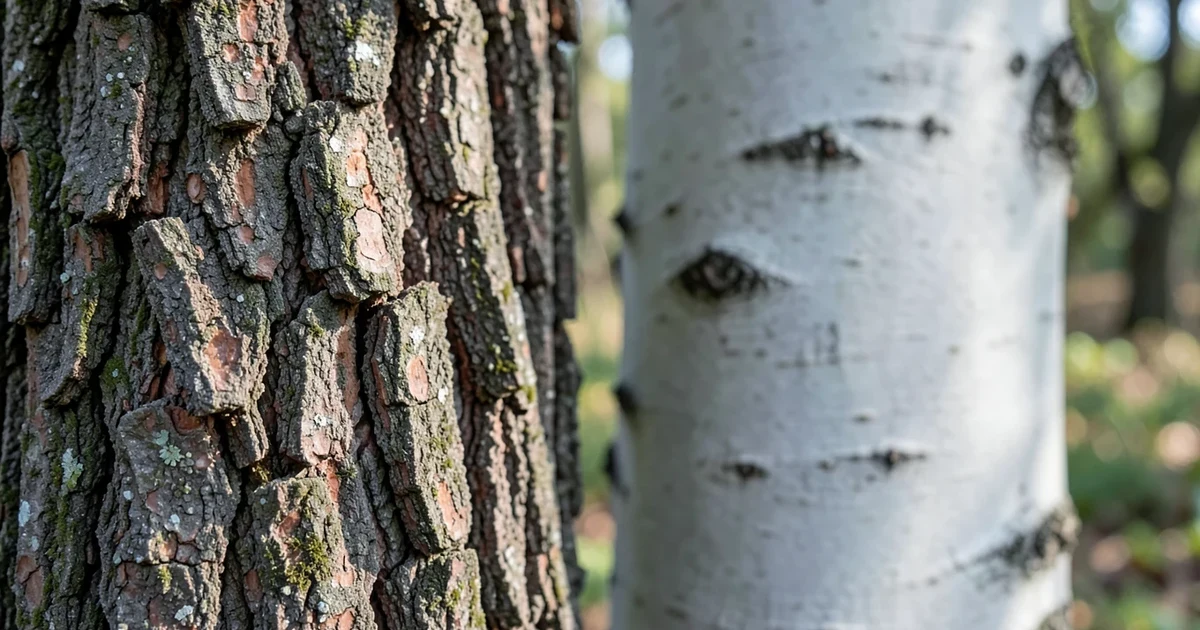 Identifying a Tree by Its BarkBark changes with age, which is why most bark guides fail. Work with texture, direction and colour under the surface rather than matching a photograph.
 Opposite or Alternate? The Question That Halves the AnswerOnly a handful of North American trees have opposite leaves. Checking this first eliminates most species in seconds — here is how to read it, and the mnemonic that lists them.

 Bluegill, Pumpkinseed or Redear? The Ear Flap Tells YouThe flap behind the gill cover — its colour, its edge and whether it is stiff — separates the common sunfishes faster than body colour ever will.
 Brook, Brown or Rainbow? Trout Identification That WorksLight spots on a dark body means brook trout. Dark spots on a light body means brown or rainbow — and the tail separates those two.
 Channel, Blue or Flathead? Three Catfish, Three ChecksThe anal fin settles channel from blue — count the rays and look at its shape. Flathead is a different animal entirely, and the jaw shows it.
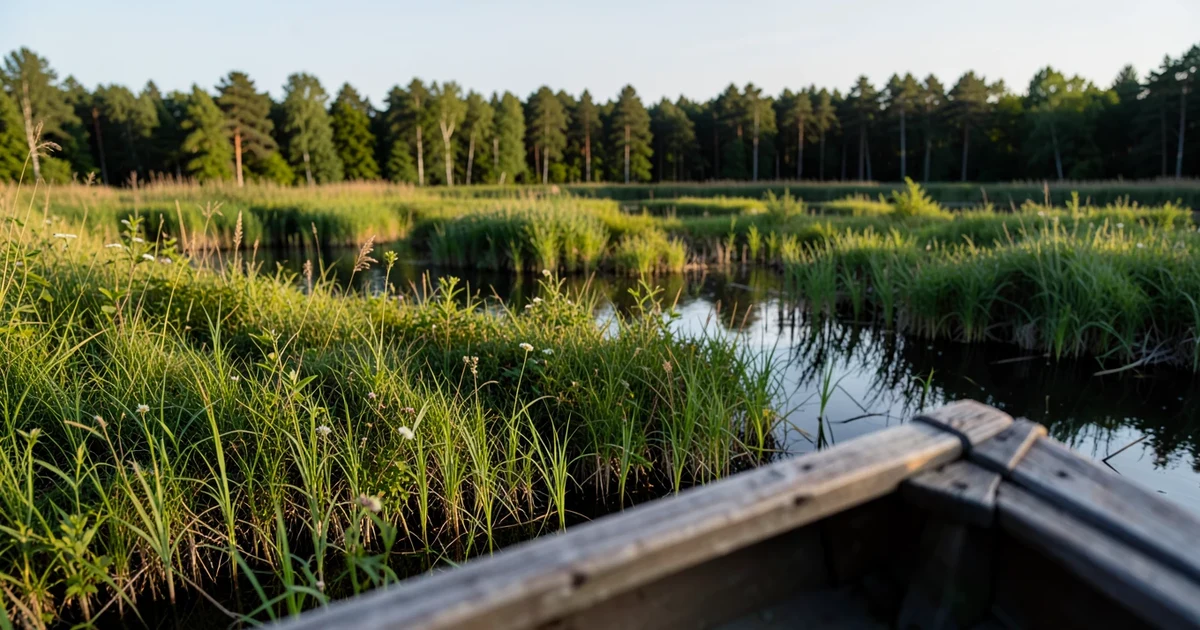 Northern Pike or Muskellunge? Look at the Cheek and Count the PoresPike have light markings on dark; muskie have dark markings on light. When markings fail, cheek scaling and the pore count under the jaw settle it.
 Black Crappie or White Crappie? Count the Dorsal SpinesBlack crappie have seven or eight dorsal spines, white crappie five or six. Colour and pattern both fail; the spine count does not.
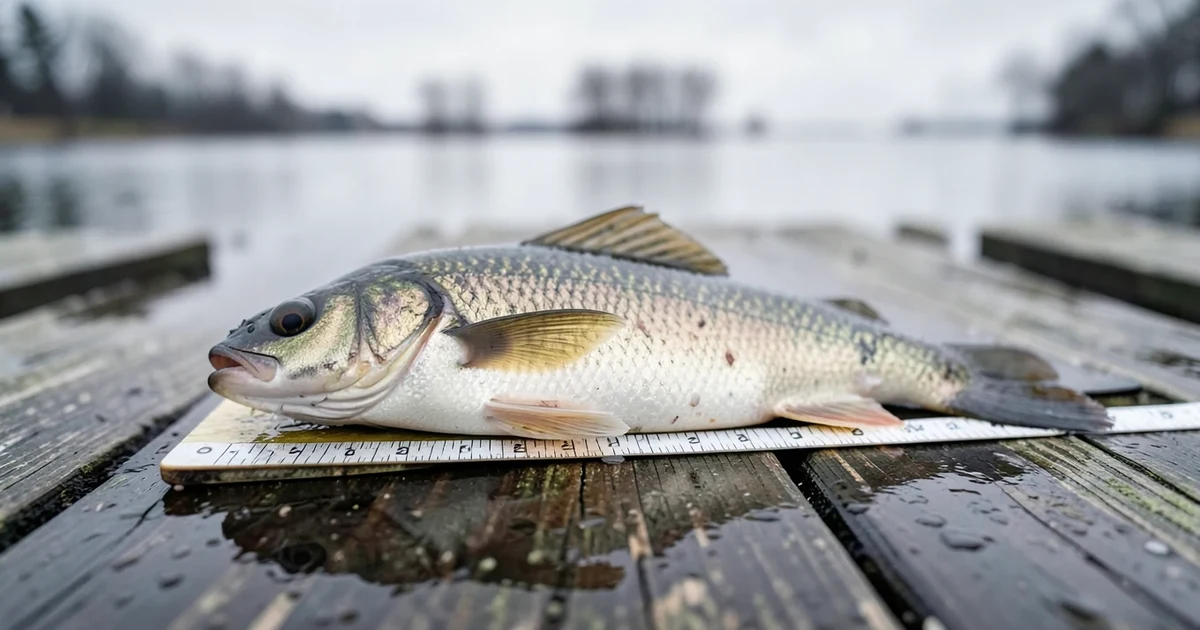 Counting Fin Rays and Spines: The Skill That Settles Most Fish IDsColour changes, counts do not. Learning to separate spines from soft rays and count them turns most freshwater identifications into arithmetic.
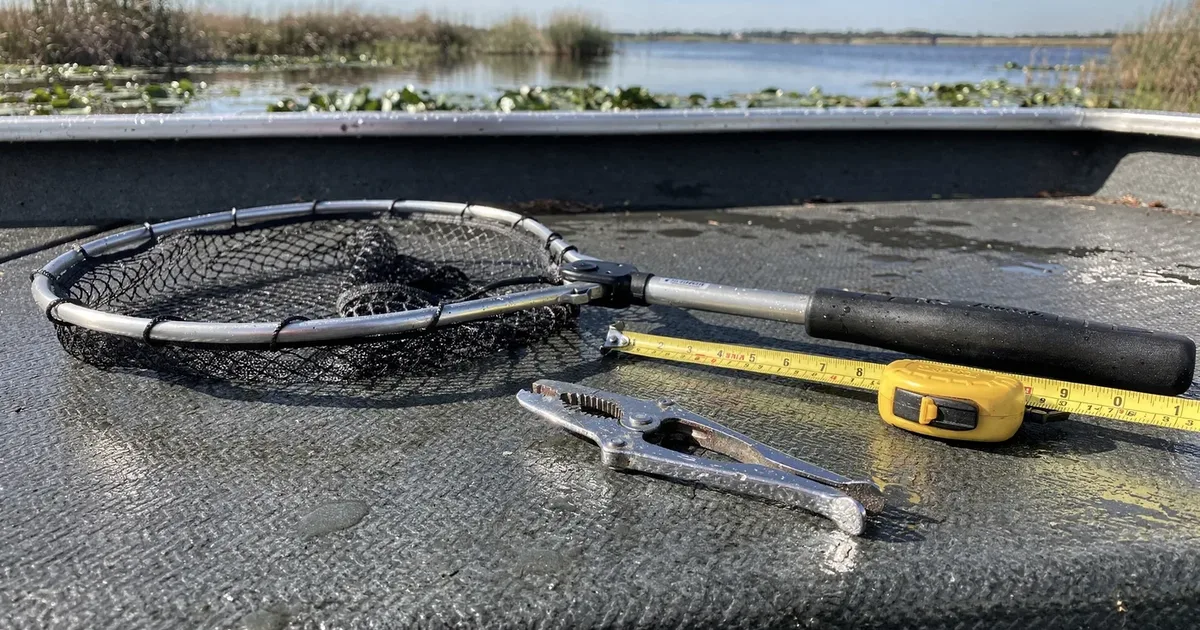 Largemouth, Smallmouth or Spotted? Three ChecksThe three black bass share water and often share a limit — but not always. Jaw length, stripe direction and a rough patch on the tongue separate all three in seconds.
 Walleye or Sauger? Look at the Tail and the Dorsal FinTwo features separate them, both on the fins, and both visible in a second. They frequently carry different limits and they hybridise, which complicates things further.

- Sorting Out the SparrowsOne of these is not a sparrow at all in the strict sense, and separating it from the natives is the first useful step.
 Feeding Birds in Winter: What ChangesFat matters more than seed once it is cold, water matters more than either, and the birds at the feeder are a different set from the summer ones.
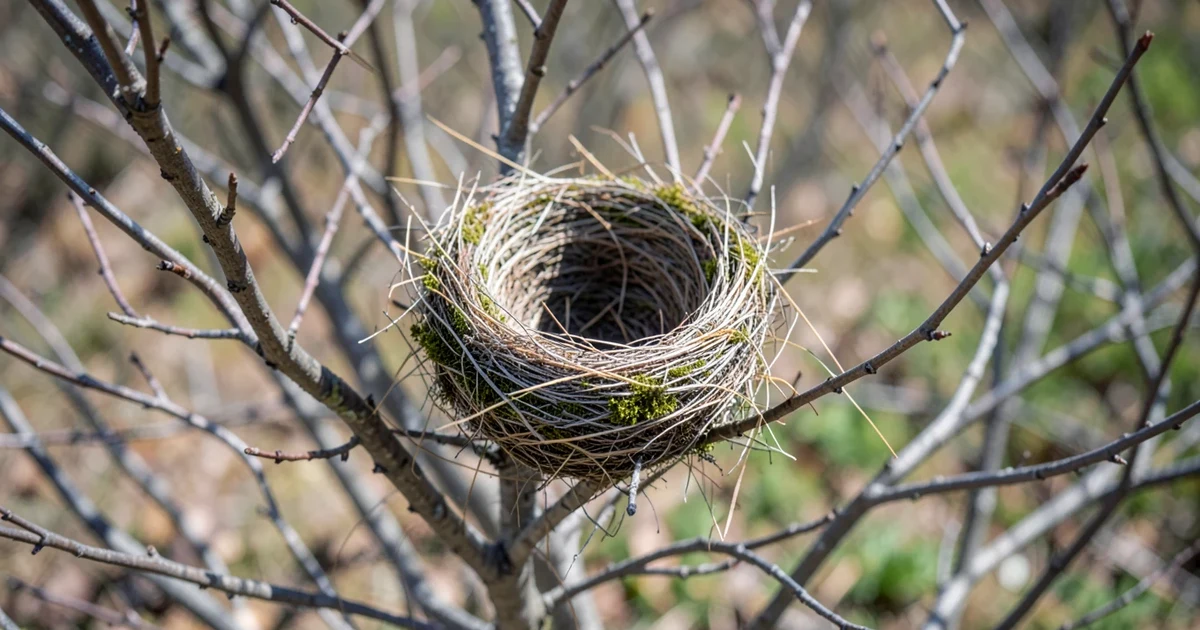 Whose Nest Is This?Nest shape, material and placement identify the builder more reliably than the eggs. And an active nest is protected by law, so the first rule is not to touch it.
 Identifying Birds by SoundMost birds are heard rather than seen. Learn rhythm and quality before pitch, start with five species, and use the mnemonics — they work.
 There's a Hawk at My Bird FeederIt is almost certainly a Cooper's or sharp-shinned hawk, and it is hunting the birds rather than the seed. Here is what to do and what not to.
 There's a Baby Bird on the GroundFeathered and hopping is a fledgling and its parents are nearby — leave it. Naked or downy is a nestling, and that one goes back in the nest.
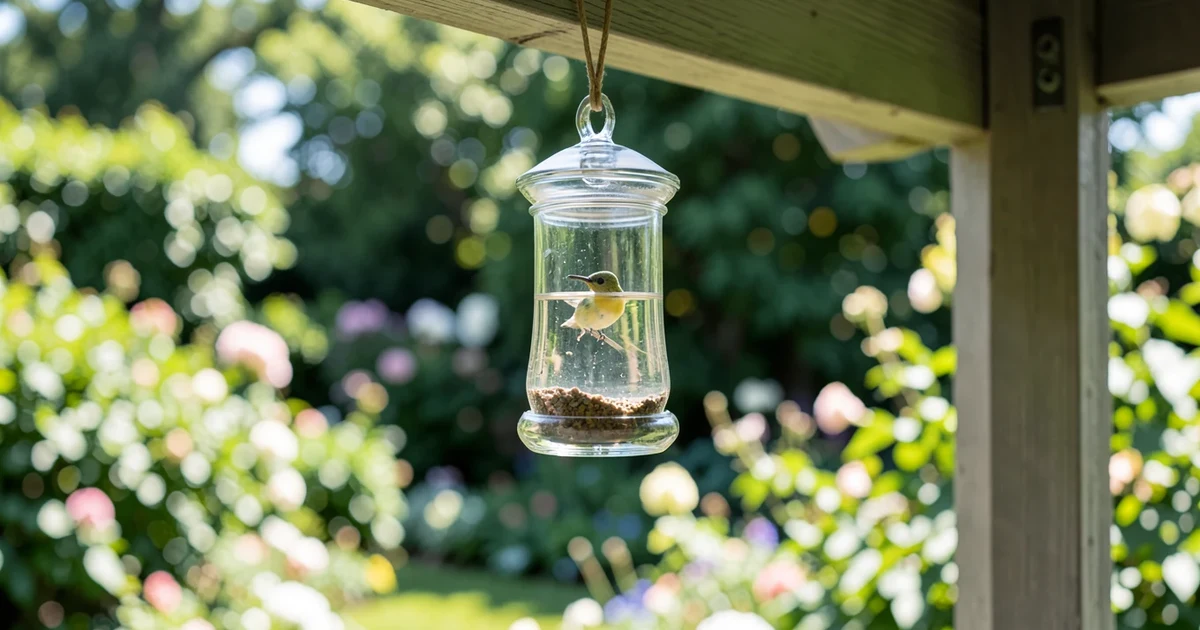 Hummingbird Feeders: Four Parts Water, One Part Sugar, No DyePlain white sugar and water, in a 4:1 ratio. Red dye is unnecessary and unstudied, honey ferments, and the changing schedule matters more than the recipe.
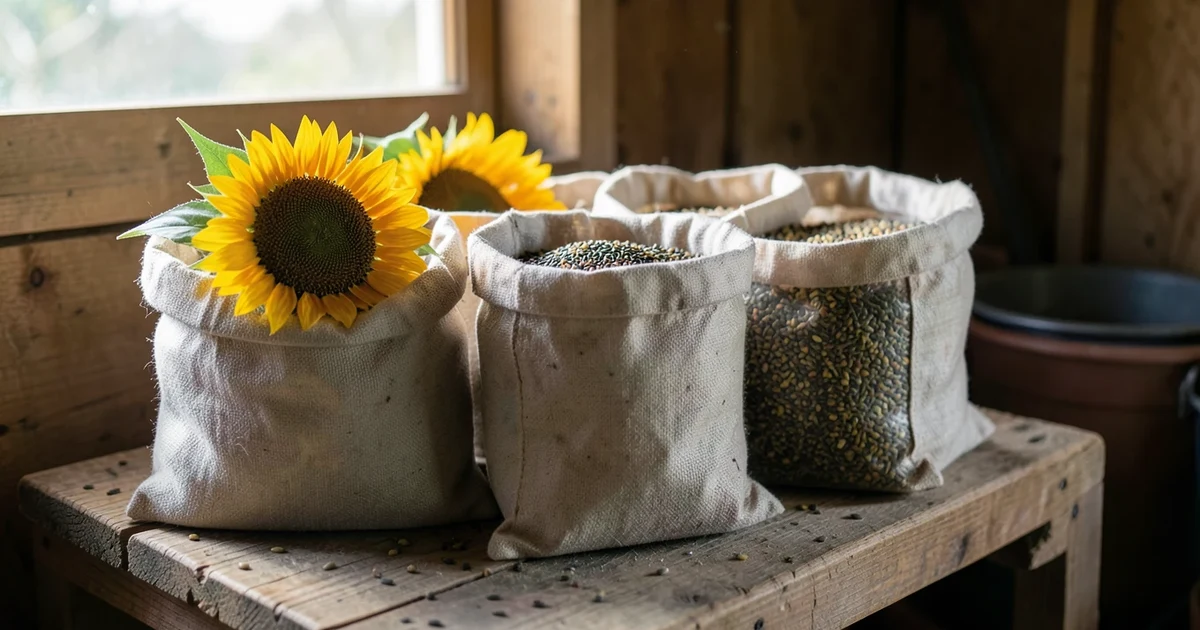 What to Put in a Bird FeederBlack oil sunflower feeds nearly everything. Most mixed seed is filler that gets kicked to the ground, and the cheap bag is not the cheap option.
 House Finch or Purple Finch? Look at the FlanksOne is red on the head and chest over a streaky body; the other is washed raspberry all over with clean flanks. The females are separated by the face.
 A Bird Hit My Window. What Now?Most stunned birds recover if left alone in a dark, quiet box. And the fix for the window is on the outside of the glass, which is why most products fail.
 Downy or Hairy Woodpecker? Measure the Bill Against the HeadTwo nearly identical woodpeckers separated by bill length. Compare the bill with the width of the head, and check the outer tail feathers.
 Where Did My Goldfinches Go?They are still there. American goldfinches moult out of the yellow into a drab olive-buff and keep visiting the feeder unrecognised.
 The Small Brown Bird at My FeederFour species account for nearly every one. Look at the breast — plain, blurry or heavily streaked with a central spot — and the answer follows.
 Crow or Raven? Look at the Tail, Not the SizeSize is useless without something to compare against. The tail shape in flight settles it at any distance, and so does the voice.
 Start With the Bill, Not the ColourColour is what everyone reaches for and the least reliable character a bird has. Bill shape follows diet, does not change, and eliminates far more of the list.

- Dating Ceramics by the Foot and the GlazeTurn the piece over. The unglazed foot rim records how it was made and fired, and that changes by period in ways a decorated surface does not.
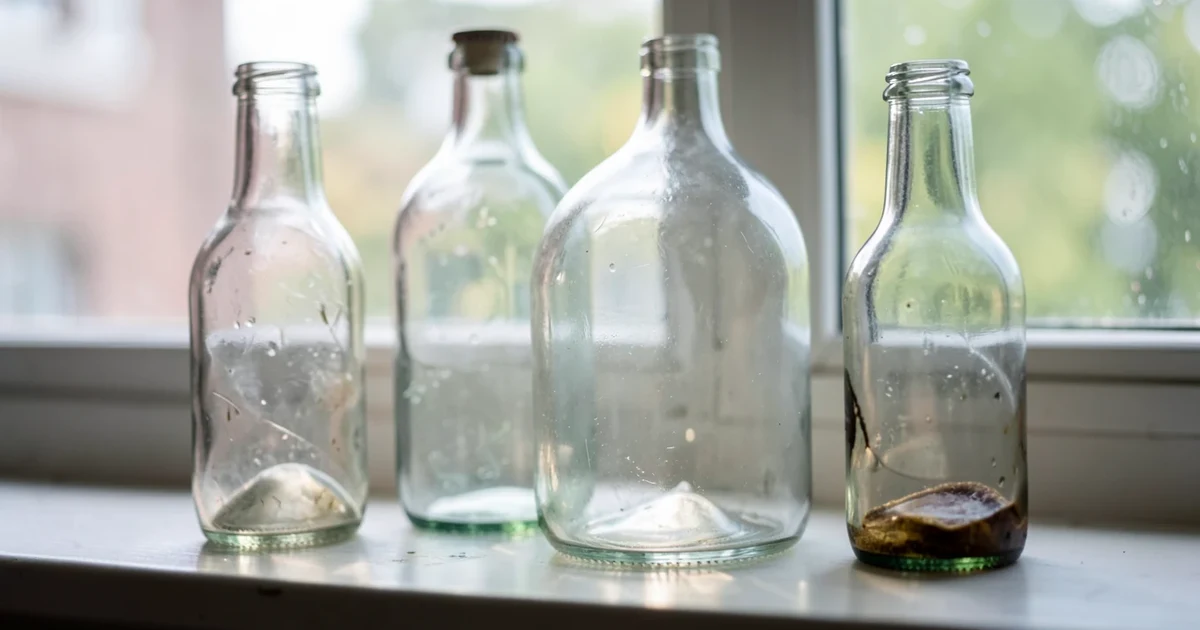 Dating Glass by the Seam and the BaseThe seam records how a bottle was made, and manufacturing method has a known chronology. Follow it up from the base and the date follows.
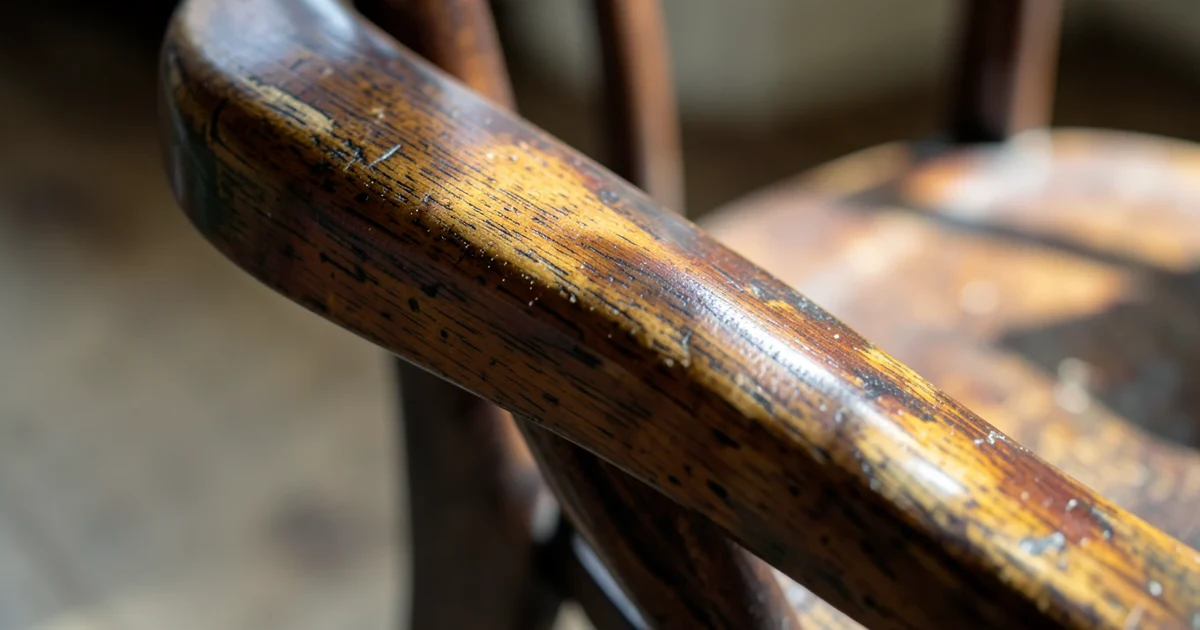 Reading an Object's History From Its WearWear records how an object was used. It is the hardest thing to fake convincingly and the most informative thing on most pieces.
 What Not to CleanPolishing silver, stripping furniture and scrubbing coins all remove value permanently. The safe rule is stabilise, do not restore.
 How Reproductions Give Themselves AwayWear in the wrong places, uniformity where there should be variation, and materials that did not exist yet. Fakers concentrate on the front.
 The Marks That Date an Object ExactlyMost marks give a rough period. Four kinds give a precise year, and they are worth learning because they end the argument.
 Is My Antique Valuable? Probably Less Than You HopeAge contributes very little. Condition, originality, maker and demand do almost all of it, and most nineteenth-century objects were made in enormous numbers.
 Dating Furniture in Five ChecksPull out a drawer, look at the back, check the screws. Construction evidence dates a piece; style does not, because style is copied continuously.
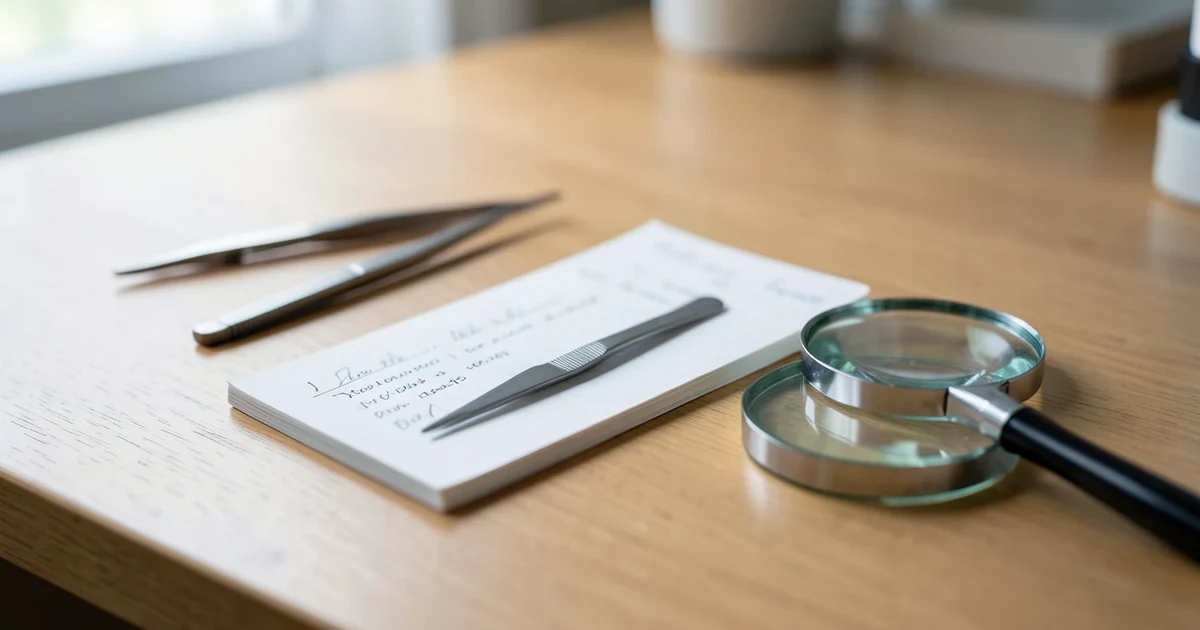 Starting a Collection Without Wasting MoneyBuy tools before stamps, pick a narrow subject, and ignore the packets of a thousand worldwide — which is where most beginners' money goes.
 Storing a Collection Without Damaging ItHinges reduce mint value permanently, PVC pages destroy stamps slowly, and humidity is the enemy that does the most damage unnoticed.
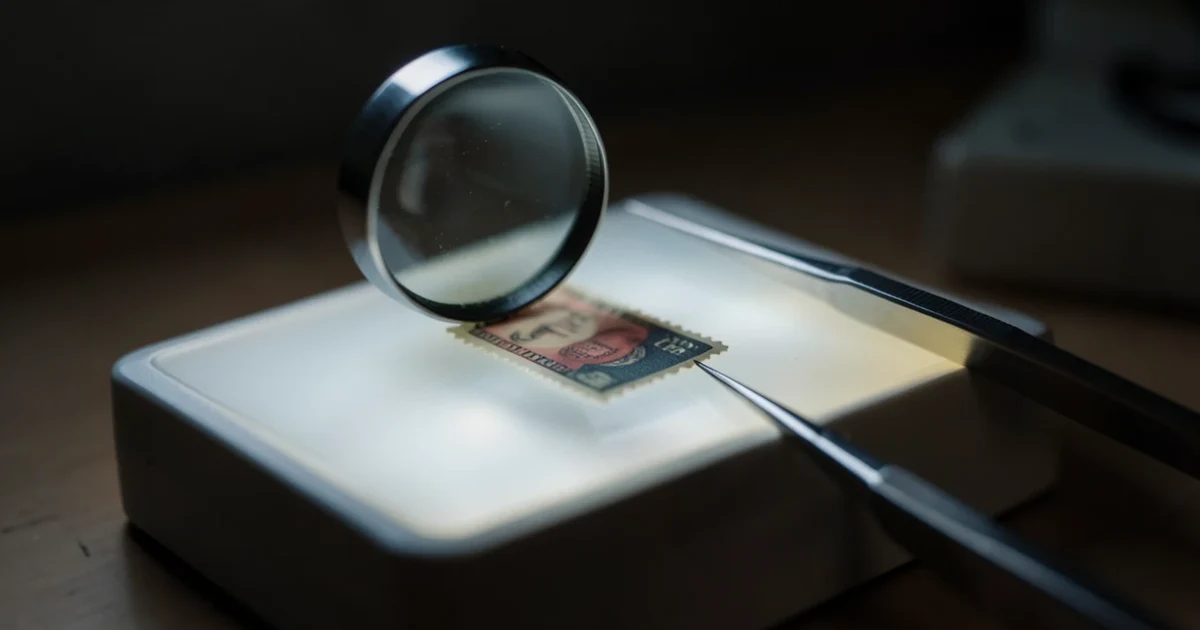 Forgeries, Fakes and Why Certificates ExistPrinting method catches most classic forgeries. Overprints, regumming and repairs need an expert, and any expensive stamp should carry a certificate.
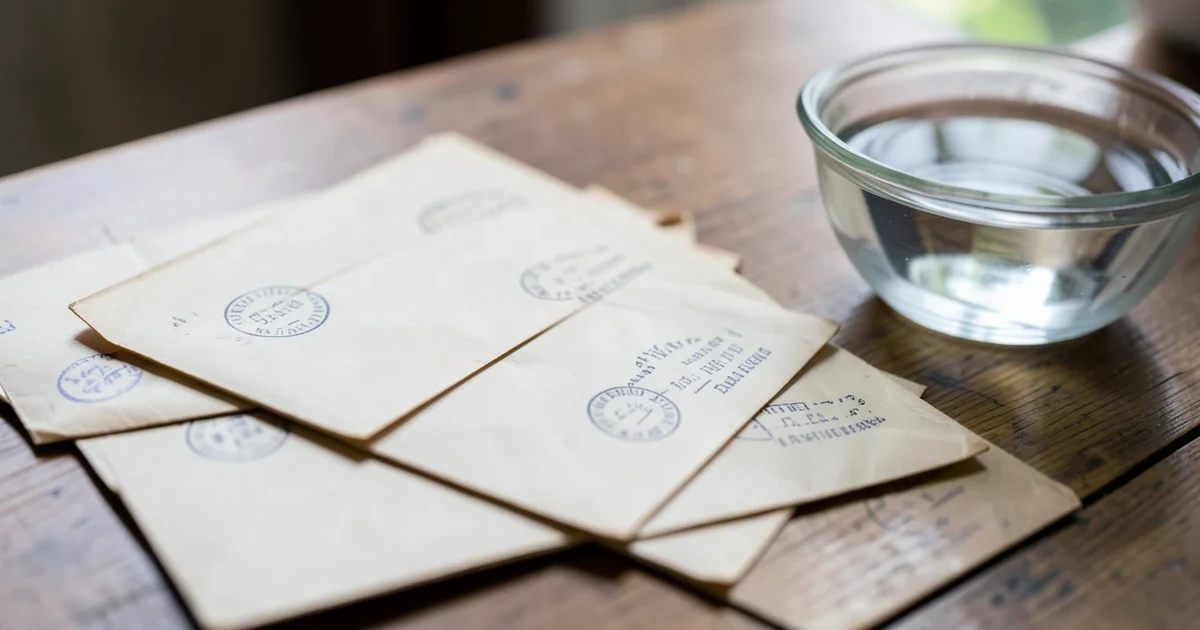 Do Not Soak That EnvelopeThe cover is frequently worth more than the stamp on it. Postmarks, routes and usages carry the value, and soaking destroys all of them.
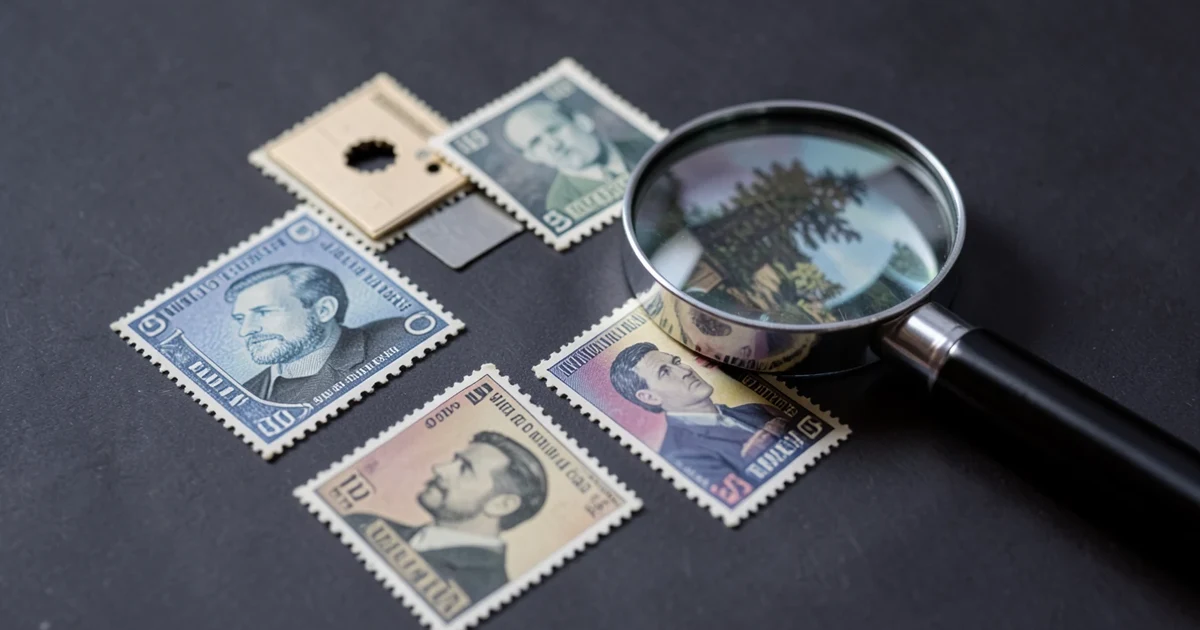 Where the Value Hides in Identical-Looking StampsTwo stamps from the same design can differ by three orders of magnitude. The difference is almost never visible in the design.
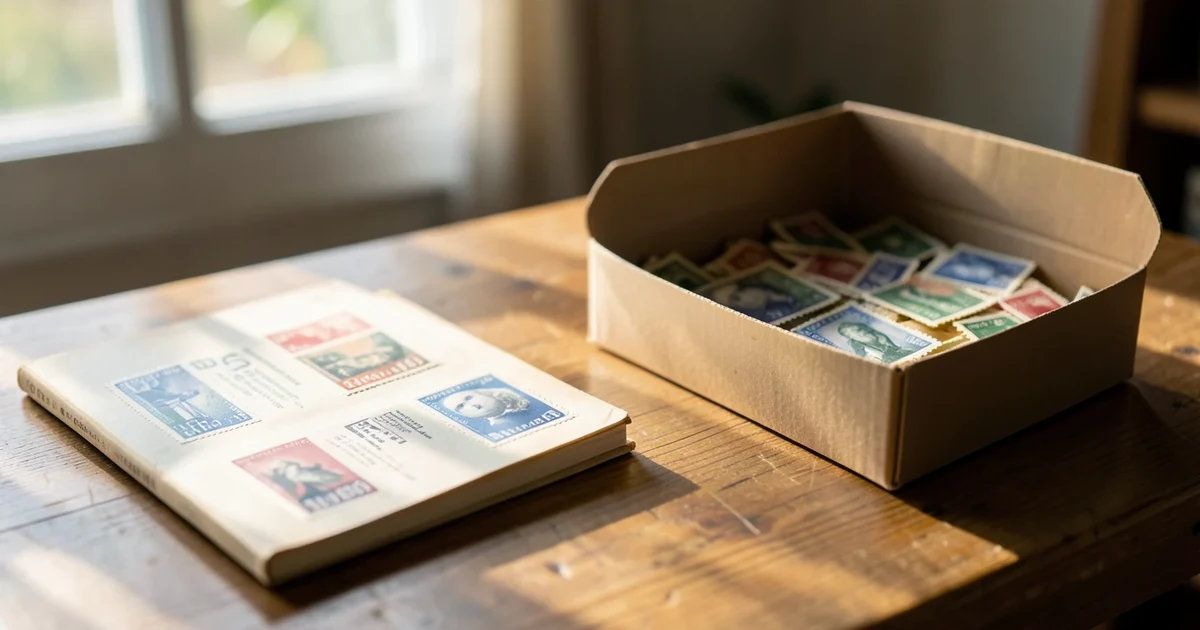 Is My Stamp Collection Worth Anything?Usually a modest sum. Stamps were printed in the hundreds of millions, catalogue values are not selling prices, and condition decides most of what remains.
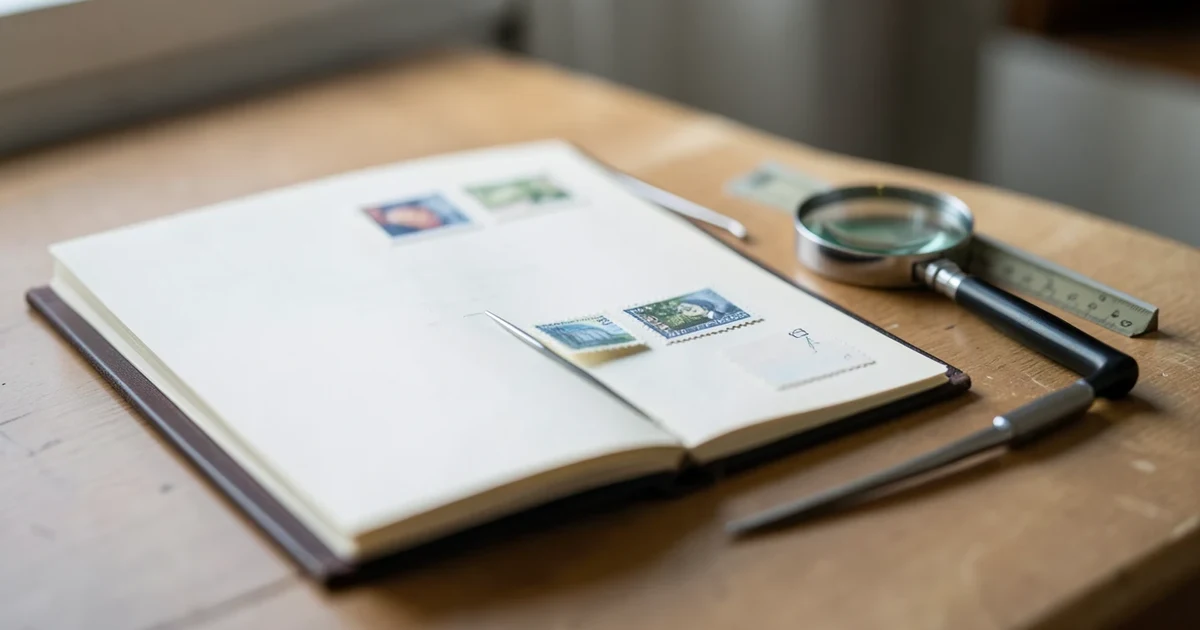 How to Identify an Unknown StampCountry first, because catalogues are organised by it. Then printing, perforation and watermark, which is where the value actually hides.

 Do Cat DNA Tests Actually Tell You the Breed?The health screening is genuinely useful. The breed percentages on a mixed cat are close to meaningless, and the reason is how cat breeds were made.
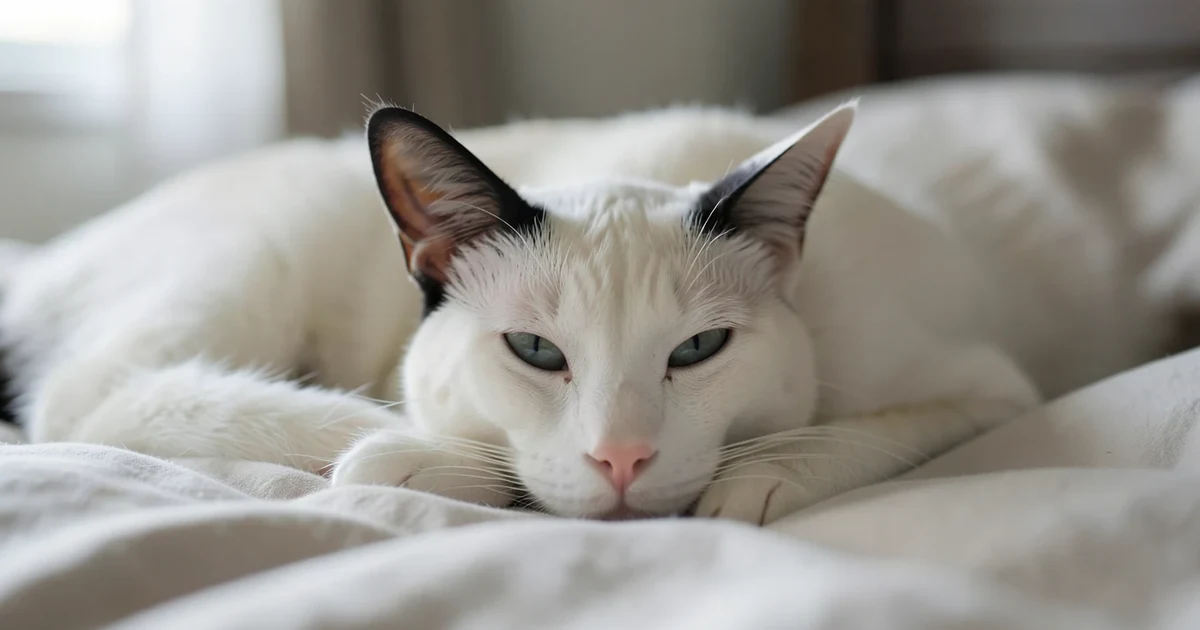 Pointed and Blue-Eyed: Siamese, Ragdoll or Birman?Colourpoints and blue eyes are shared by several breeds and plenty of moggies. Size, coat and feet separate them in one look.
 The Scottish Fold's Ears and What They CostThe mutation that folds the ear malforms cartilage everywhere else too. Every cat with folded ears develops painful degenerative joint disease.
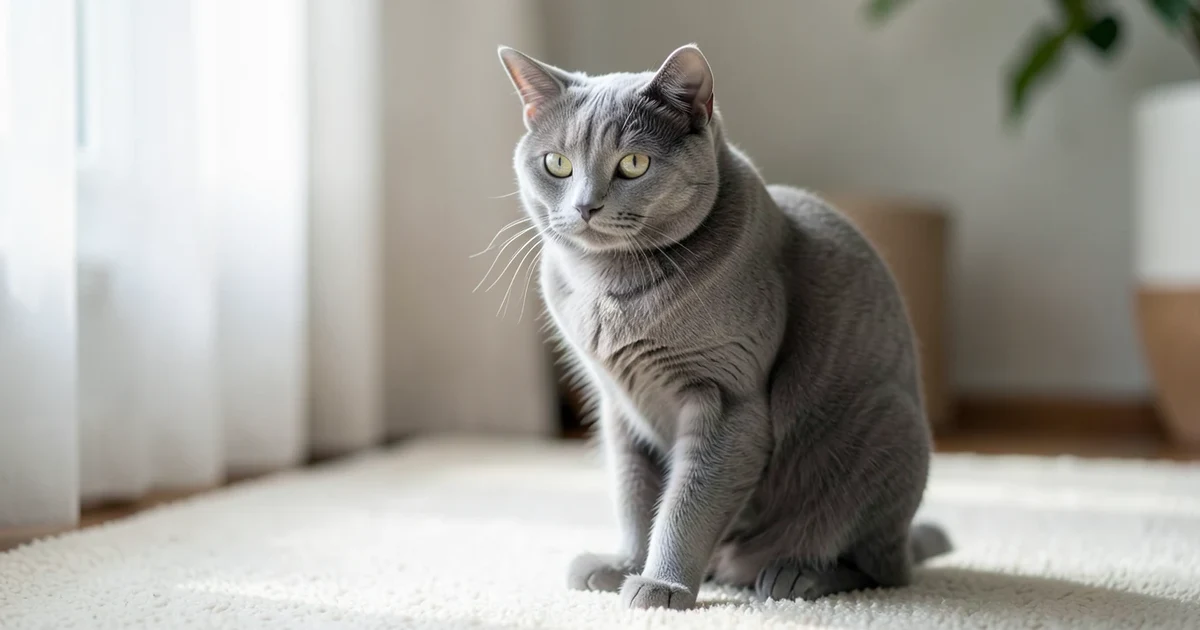 Your Grey Cat Is Probably Not a Russian BlueThree grey breeds exist and all three are uncommon. The eye colour and the coat texture separate them from the grey moggy, which is what most grey cats are.
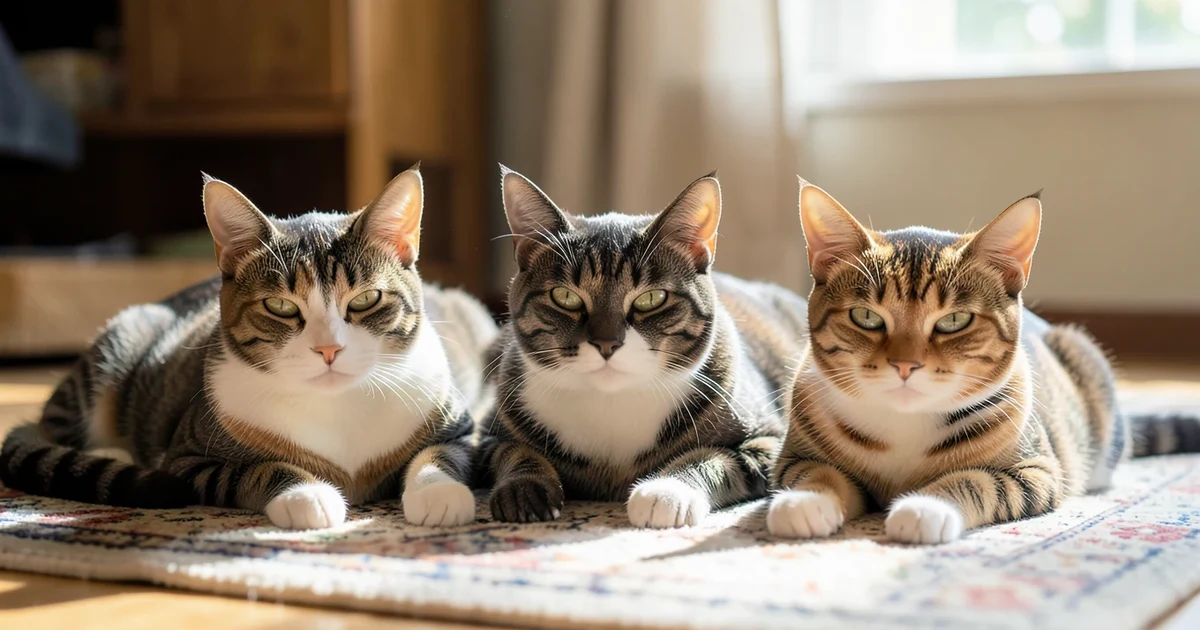 Calico, Tortie, Tabby and Tuxedo Are Not BreedsThey describe how the colour is arranged, and they occur across many breeds and in most cats of none. Here is what each one actually means.
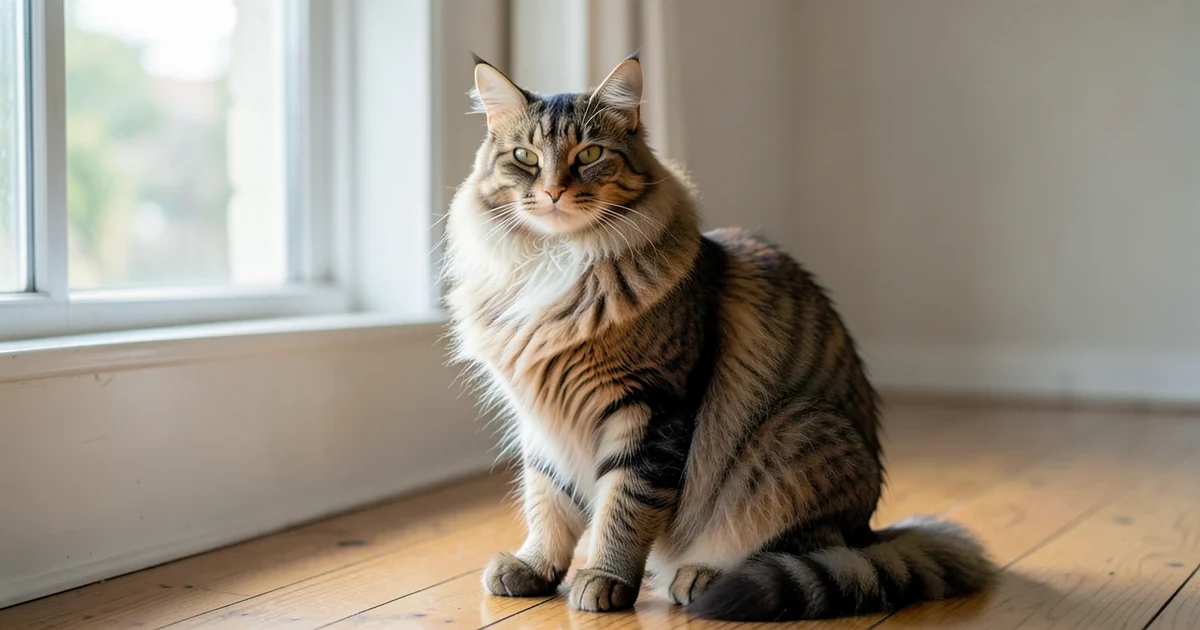 Is It a Maine Coon, or Just a Big Fluffy Cat?Size is not the test. A Maine Coon has a squared muzzle and a rectangular frame, and most large fluffy cats have neither.
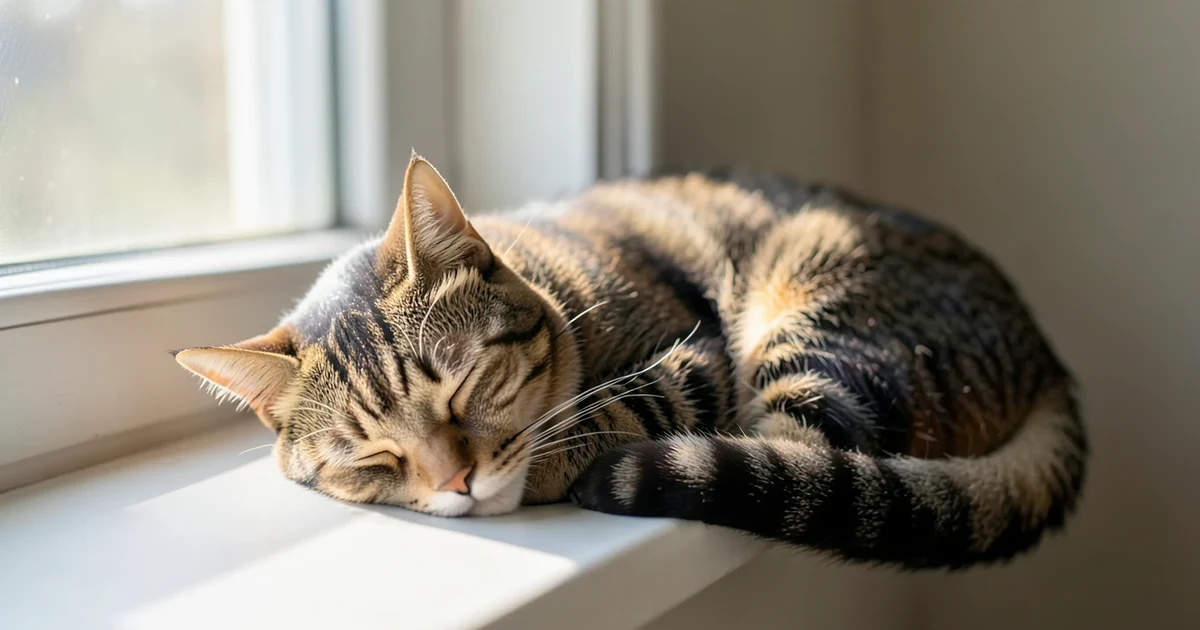 Most Cats Are Not a BreedAround nine in ten cats have no breed at all. Calico, tabby and tortoiseshell are coat patterns, and a domestic shorthair is the correct answer, not a failure.

- What a Coat Actually Tells YouCoat is one of the few visible features with a simple genetic basis, which makes it useful for narrowing a mix — and useless for naming one.
 Cropped Ears and Docked Tails Are Not Breed FeaturesBoth are cosmetic surgery performed on puppies, both are illegal across most of Europe, and both make breed identification harder than it needs to be.
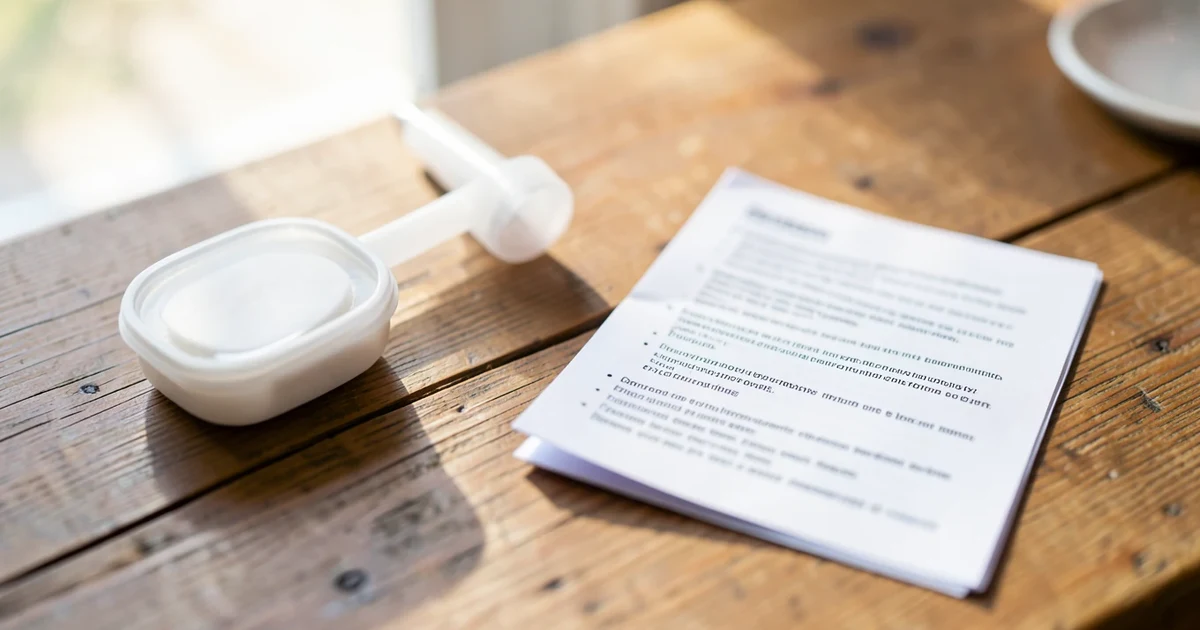 Dog DNA Tests: What They Get RightMajor ancestry is reasonably reliable, small percentages are noise, and the health panel is the part actually worth paying for.
 Flat-Faced Dogs: What the Shape CostsThe flat face is the breed standard and the disease at the same time. Most affected dogs are visibly struggling and their owners describe it as normal for the breed.
 Border Collie or Australian Shepherd? Look at the TailA Border Collie has a full low-set tail with an upward swirl. An Aussie usually has a bob or nothing. Then the ears and the coat confirm it.
 'Pit Bull' Is Not a BreedIt covers several distinct breeds and a great many mixed dogs, it is applied on appearance, and in some places it determines whether a dog is legal to own.
 Husky or Malamute? The Tail Settles ItA husky's tail curves up in a sickle; a malamute's plumes over the back. Blue eyes are common in one and disqualifying in the other.
 Guessing a Dog's Breed From Its Looks Mostly Does Not WorkShelter staff guesses agree with DNA well under half the time. That is not a trivia point — breed labels affect adoption, insurance, tenancy and in some places legality.