

Are There Black Widows Where You Live?
By IdentifyThese Editorial · Reviewed · 3 min read
Unlike the brown recluse, whose range is narrow and frequently misreported, widows are genuinely widespread. Between four species, most of the contiguous United States has one.
Which makes the useful question not whether they are present, but which one, and where in a garden they will be.
The species and their ranges
Southern black widow (Latrodectus mactans) — the southeastern United States, from Florida north to around New York and west into Texas and Oklahoma. The classic red hourglass on the underside, usually complete.
Western black widow (L. hesperus) — everything west of roughly the Great Plains, from southern Canada to Mexico. Common in the Southwest and California, and the widow most people in the west meet.
Northern black widow (L. variolus) — the northeast and upper Midwest, into southern Canada. The hourglass is typically split into two separate triangles rather than joined, and there is often a row of red spots down the top of the abdomen.
Brown widow (L. geometricus) — introduced, spreading, now established across the Gulf states, Florida, southern California and expanding. Mottled tan to dark brown with an orange to yellow hourglass, and a spiky, tufted egg sac that is unmistakable and the fastest way to identify it.
Red widow (L. bishopi) — restricted to Florida scrub habitat, rare, and unlikely to be encountered.
The egg sac shortcut
The brown widow's egg sac is covered in silk projections — spiky, like a small sea urchin. No other widow makes one. If you find a spiky tan egg sac, you have brown widows regardless of what the spiders look like, and brown widow colouring is variable enough that the sac is the better character.
Black widow egg sacs are smooth, pale, and pear-shaped or spherical.
Where they are in a garden
Widows want dark, dry, undisturbed places at or near ground level with something to attach an untidy web to.
- Under the lip of a garden pot or a stack of pots
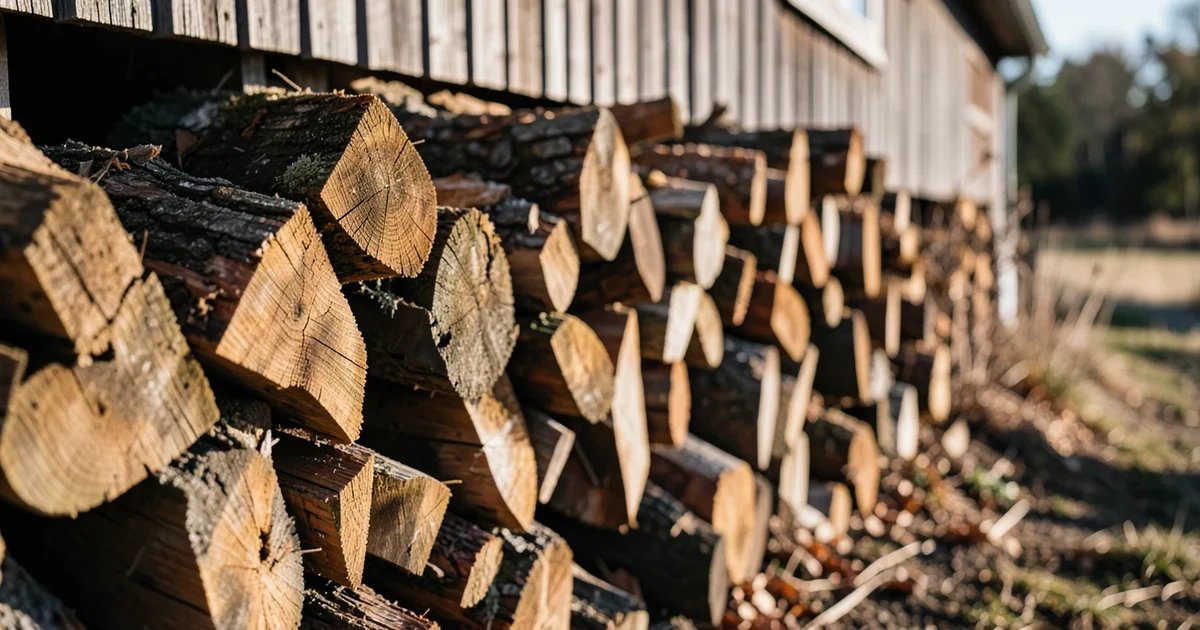
- Woodpiles and lumber stacks
- Under outdoor furniture, especially plastic chairs
- Meter boxes, irrigation valve boxes, junction boxes
- Under the rims of rubbish bins
- In garages and sheds, in corners and behind stored material
- Under decking, and in the gap between a step and a wall
- Outdoor toilets, which is the historical association
The behaviour is consistent: down low, in the dark, undisturbed, and reached by putting a hand somewhere without looking. That is how nearly every bite happens.
Identifying one
The marking is on the underside, which means the spider has to be viewed from below or in its web — and a widow hangs upside down in her web, so the marking is usually facing you.
The full separation from the common house spider, which is the animal most often mistaken for one, is in black widow or common house spider. The short version is the body shape — a widow's abdomen is a smooth glossy sphere — and the underside marking.
The web is the other character: an untidy three-dimensional tangle with no pattern, strong enough to be audible when broken, with a dense funnel-shaped retreat at one edge. Nothing about it looks designed, which is exactly how you tell it from an orb weaver's wheel.
A bite
Widow venom is a neurotoxin, so the presentation is entirely unlike a recluse bite. Muscle cramping and rigidity, often in the abdomen and back rather than at the bite site, sweating, and pain that peaks over several hours.
It is rarely fatal in a healthy adult, and antivenom exists. It is a hospital visit rather than an emergency in most cases, and children, elderly people and anyone with cardiac disease are the higher risk groups. The course is set out in a black widow bit me.
The practical measures
Given where they live, the measures are about hands rather than about the house:
- Gloves when moving woodpiles, pots, stored materials or working under decking.
- Look before reaching into a meter box, a valve box or under outdoor furniture.
- Shake out shoes and gloves left in a garage or shed.
- Keep firewood off the ground and away from the house.
- Reduce clutter in garages and under decks.
Spraying the perimeter of a house does very little about widows, because they are in the specific sheltered voids rather than on open surfaces. Removing the voids works considerably better.
Species referenced
If you think you were bitten
- Most suspected spider bites are not spider bites. Studies of patients presenting with a “spider bite” repeatedly find that the large majority are bacterial skin infections — frequently MRSA — which need antibiotics rather than reassurance. A spreading, painful, pus-filled sore is far more likely to be an infection than a spider.
- Wash it, ice it, and watch it. Clean the area with soap and water, apply a cold pack, and keep an eye on it.
- Get medical care if the wound spreads or darkens, if you develop cramping, sweating, fever or severe abdominal pain, or if you are confident it was a widow or a recluse.
- Bring the spider only if it is already dead and to hand. Do not go looking for it. Doctors treat symptoms, not species.
In the US, the Poison Help line is 1-800-222-1222. This site is a reference, not medical advice.
Keep reading
- Black Widow or Common House Spider? Look UnderneathWidows and house spiders build the same messy web in the same dark corner. The red hourglass underneath is the whole test — plus three backup checks including the egg sac.
- The Yellow Sac Spider: Small, Pale, and the One That Actually BitesPale, small, and responsible for a large share of genuine indoor spider bites — because it wanders at night and ends up in bedding rather than because it is aggressive.
- A Black Widow Bit Me. What Actually Happens Next?The realistic timeline, why the pain is muscular rather than local, when antivenom is actually used, and how rare a fatal outcome really is in the United States.