

The Yellow Sac Spider: Small, Pale, and the One That Actually Bites
By IdentifyThese Editorial · Reviewed · 3 min read
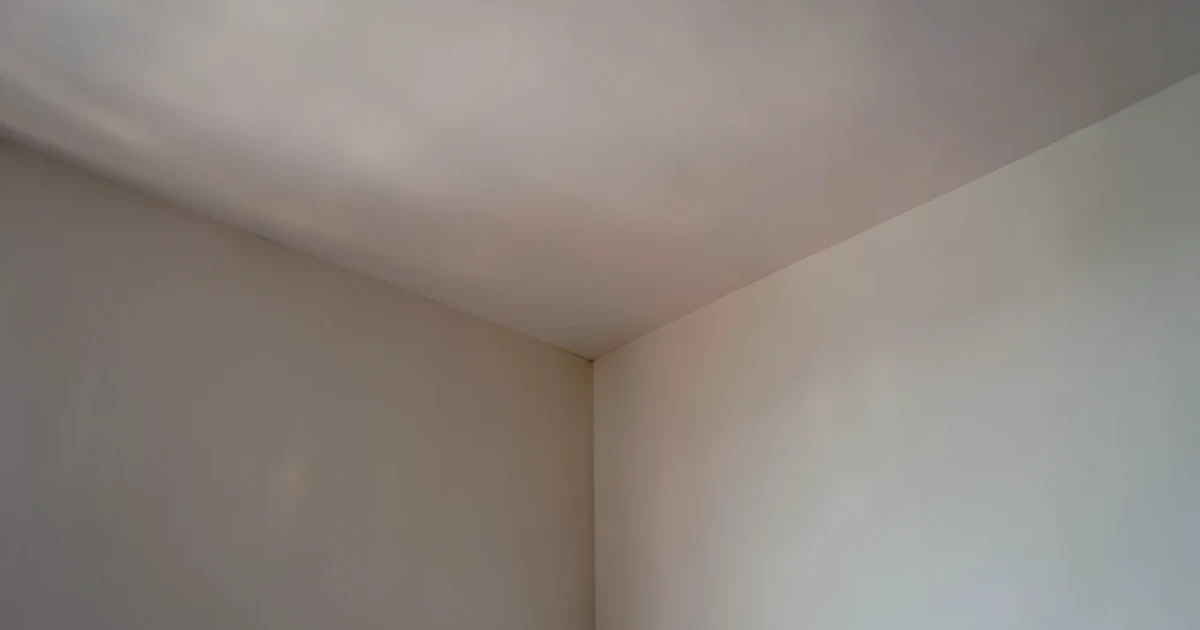
Cheiracanthium is small, pale, unremarkable to look at, and probably accounts for more verified indoor spider bites in North America than any other genus.
Not because it is aggressive. Because of where it goes at night.
Recognising one
- 5–10 mm body length. Small.
- Pale — cream, yellow, straw, sometimes with a faint greenish or pinkish cast. No pattern to speak of.
- Dark chelicerae — the jaws are noticeably darker than the rest of the animal, often brown or black. This is the most useful single feature.
- A faint darker line running down the centre of the abdomen in some individuals.
- Front legs longer than the others.
- Eight eyes in two rows of four, all similar in size.
That last point matters, because the animal it gets confused with — the brown recluse — has six eyes in three pairs. Which is the check that resolves most of these: how to know if it really is a brown recluse.
The sac
The name comes from the silk retreat. It does not build a capture web.
By day it sits in a small flat silk pouch, and it puts them:
- Where the wall meets the ceiling, especially in corners
- Behind picture frames and wall hangings
- In the folds of curtains
- Along the top edge of skirting boards
- Under leaves, folded and stitched shut, outdoors
If you have them, you can find the sacs. They are small, white, flattened and easy to overlook until you know to look at ceiling corners.
Why it bites
It hunts at night by walking, and it walks over walls, ceilings, furniture and bedding.
Bites happen when one is trapped against skin — inside clothing left on the floor, in bedding, in a towel. That is the entire mechanism, and it means the bites happen at night in bed, which is exactly the circumstance that produces "I woke up with a bite and did not see anything".
Most reported bites of that kind are not spider bites at all. Yellow sac spiders are one of the few genuine causes.
What a bite does
Verified bites produce:
- Immediate stinging pain, comparable to a bee or wasp
- Redness and swelling around the site
- Occasionally a small blister
- Resolution within a few days
The older literature attributed necrotic lesions to Cheiracanthium, and it was for a time the main alternative explanation offered for recluse-like wounds outside recluse range. More recent reviews of verified bites have not supported that, and the pattern is the same one that played out with the hobo spider — a claim that entered the literature on thin evidence and stayed for decades.
If a wound is enlarging, spreading, or accompanied by fever, that is a reason to see someone regardless of what caused it, and infection remains the far more likely explanation — spider bite or skin infection sets out the distinguishing signs.
Reducing encounters
Given that the bites happen in bedding, the measures are specific:
- Move the bed slightly away from the wall, and keep bedding off the floor.
- Shake out clothing left on the floor overnight, and shoes.
- Remove the sacs — vacuum ceiling corners, behind frames and along curtain tops. This is the direct intervention, and it is quick.
- Reduce outdoor lighting near windows, which brings in the insects they follow.
- Seal gaps around windows and doors.
Vacuuming the sacs works better than spraying, because the spider is inside the sac during the day and the sac is in a defined, findable place.
The species
Two are common in North America: Cheiracanthium inclusum, native, and C. mildei, introduced from Europe and now the more frequent indoors in the north. They are effectively identical to the eye.
Both are widespread — including across the large parts of the continent where brown recluses do not occur, which is a substantial share of it. In those places, a small pale spider found indoors is far more likely to be this than anything in the recluse genus: do brown recluses live where you do.
Species referenced
If you think you were bitten
- Most suspected spider bites are not spider bites. Studies of patients presenting with a “spider bite” repeatedly find that the large majority are bacterial skin infections — frequently MRSA — which need antibiotics rather than reassurance. A spreading, painful, pus-filled sore is far more likely to be an infection than a spider.
- Wash it, ice it, and watch it. Clean the area with soap and water, apply a cold pack, and keep an eye on it.
- Get medical care if the wound spreads or darkens, if you develop cramping, sweating, fever or severe abdominal pain, or if you are confident it was a widow or a recluse.
- Bring the spider only if it is already dead and to hand. Do not go looking for it. Doctors treat symptoms, not species.
In the US, the Poison Help line is 1-800-222-1222. This site is a reference, not medical advice.
Keep reading
- How Long Do Brown Recluse Bite Symptoms Take?Most bites cause a red mark and nothing more. The minority that develop a lesion follow a recognisable timeline, and the first few hours look unremarkable.
- The Big Spider in the Bath: What It Is and How It Got ThereIt did not come up the plughole — the water in the trap makes that impossible. It fell in overnight and cannot climb the glaze.
- Getting a Spider Out of the House Without Killing ItThe glass-and-card method, what to use for a large one, and why putting a house spider outside in October is worse for it than the garage.