

Guides
Each guide answers one question completely, using observations you can make without touching anything.
The Basement Has a Lot of Spiders
Basements support more spiders than the rest of a house combined, and which species are down there says something useful about the space.
3 min read
A Spider Appeared While I Was Driving
Cars are warm, sheltered and full of narrow gaps, and a spider that has set up in one is usually in a small number of predictable places.
3 min read
Do Spiders Come Indoors When It Gets Cold?
The most widely repeated explanation for autumn spiders is wrong, and the real one explains the timing far better.
3 min read
How Long Does a Spider Live?
A few months for most, a year or two for many house spiders, and decades for a female tarantula. Sex makes more difference than species.
3 min read
There Is a Dead Spider That Is Not Dead
A perfect spider that weighs nothing and is split along the front is a shed skin, and it means a living spider nearby just got bigger.
3 min read
Is It a Male or a Female?
The boxing-glove palps on a male are visible in most photographs, and knowing the sex explains a great deal about why a spider is where it is.
3 min read
The Hole in the Ground With a Lid
A neat round hole in bare soil belongs to something, and which something depends on whether it has a lid, a collar of silk, or nothing at all.
3 min read
The Very Large Flat Spider on the Wall
Fast, flat, wide-legged and alarming out of proportion to any risk. Huntsman spiders are established in the warm south and travel further in shipping.
3 min read
The Spider Covered in Baby Spiders
A wolf spider carrying an egg sac on her spinnerets, and later a hundred spiderlings on her back, is doing something almost no other spider does.
3 min read
The Widow With the Spiky Egg Sac
Brown widows are spreading through the southern United States, and their egg sac identifies them more reliably than the spider does.
3 min read
How Worried Should You Be About False Widows?
A genuine spider with genuine venom and a reputation built almost entirely by newspapers. The realistic picture is narrower than either extreme.
3 min read
The Orange Spider With Enormous Jaws
A shiny orange front end, a pale grey abdomen and jaws out of all proportion. It eats woodlice and almost nothing else.
3 min read
Sheet Webs With a Funnel at One Side
The flat sheet webs across a lawn on a dewy morning belong to grass spiders, which are fast, common and routinely mistaken for something worse.
3 min read
The Spider Sitting on a Flower
No web, front legs held wide, and often the same colour as the petals it is sitting on. Crab spiders wait rather than hunt.
3 min read
The Long-Legged Spider in the Corner of the Ceiling
Thin legs, a tiny body, a messy web in a ceiling corner, and a habit of vibrating when disturbed. Cellar spiders are the commonest indoor spider in much of the world.
3 min read
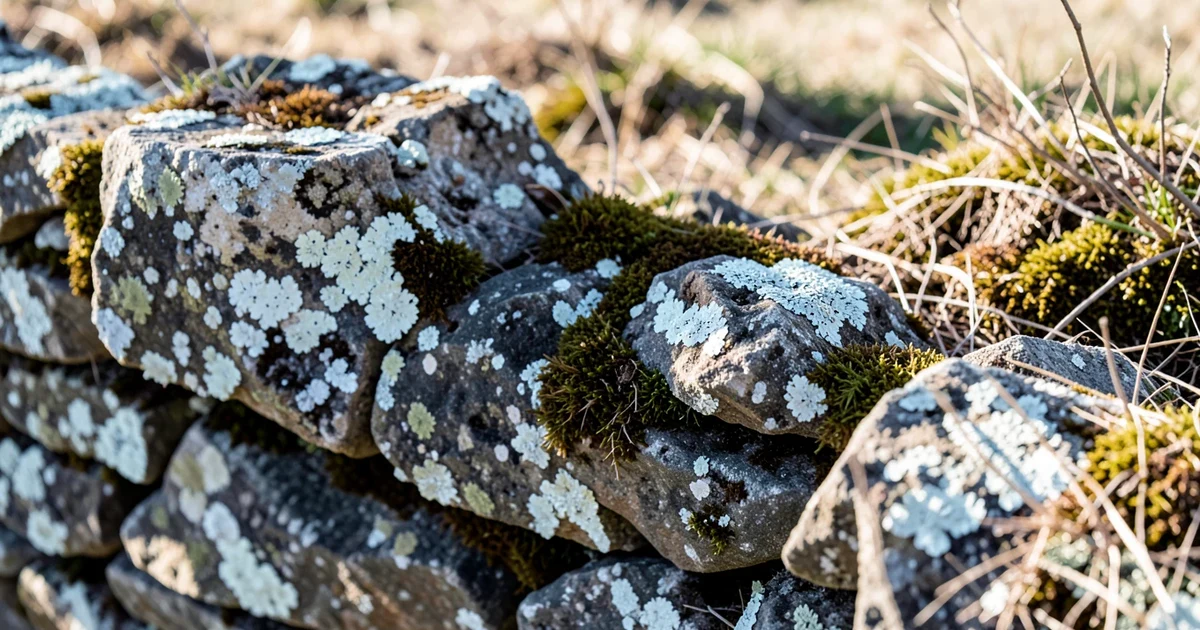
Eight Things That Are Not Spiders
Harvestmen, camel spiders, whip scorpions, ticks and mites are arachnids and not spiders. Count the body segments and check for silk.
4 min read
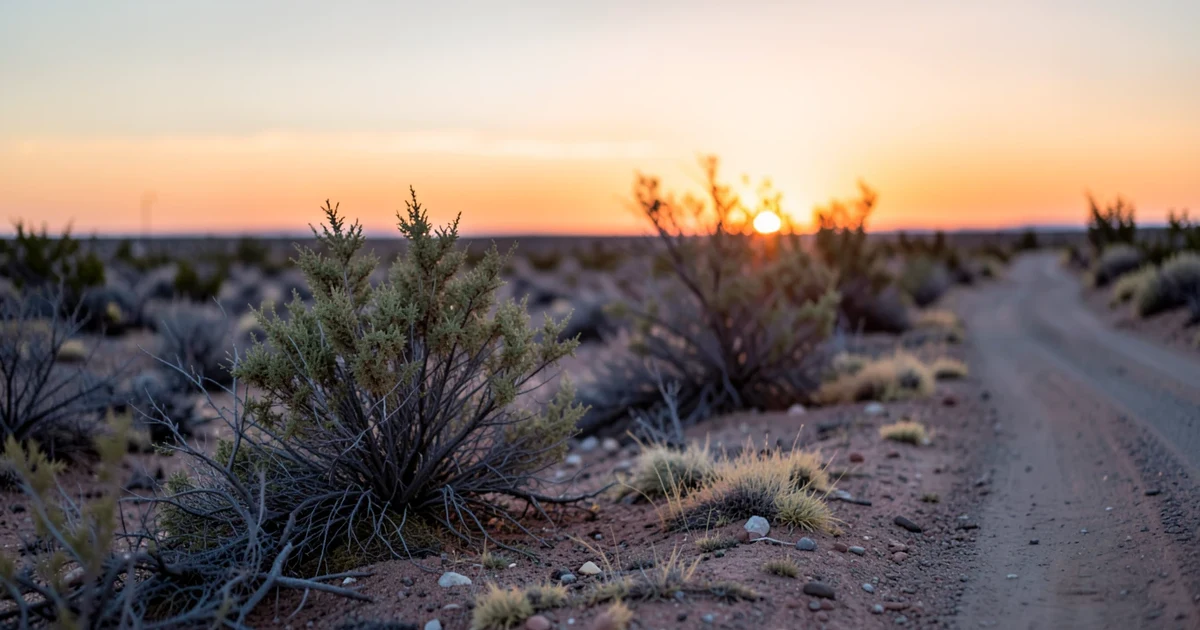
Are There Tarantulas Where You Live?
About thirty native species, all in the southwest and southern plains, all harmless. The autumn migration people report is males walking to find females.
3 min read

Fishing Spiders: The Very Large Ones Near Water
Among the largest spiders in North America by leg span, found on docks, in basements and on tree trunks near water — and completely harmless.
4 min read
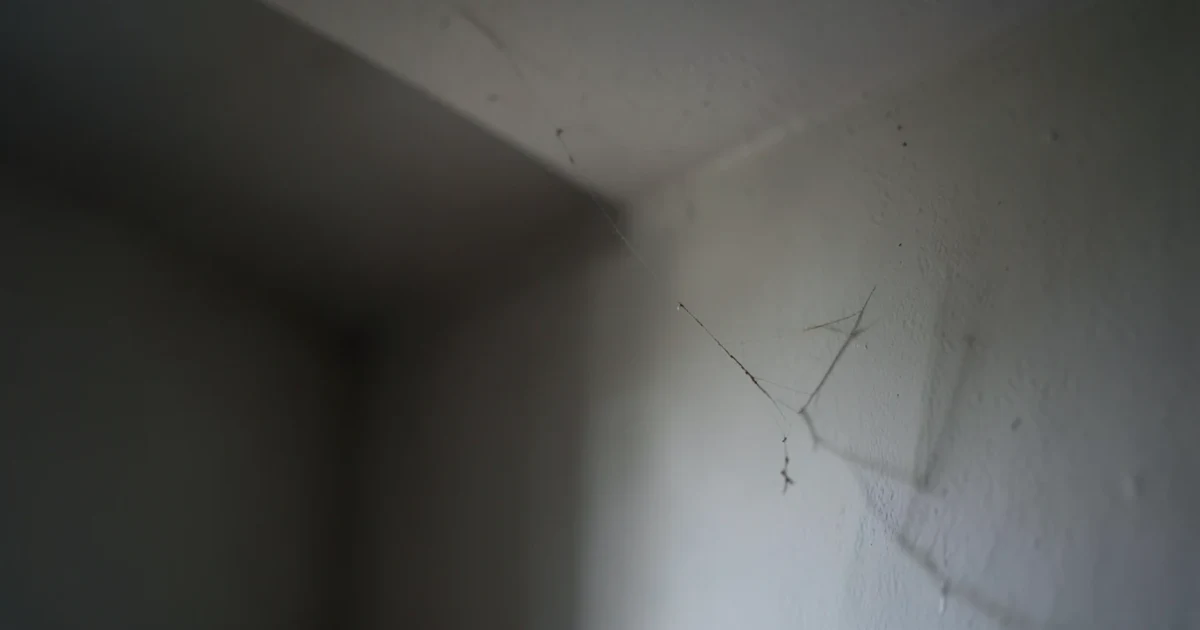
House Spider, Giant House Spider, or Something Else?
Four unrelated spiders share the name 'house spider'. They build different webs, sit in different places, and only one of them is worth a second look.
4 min read
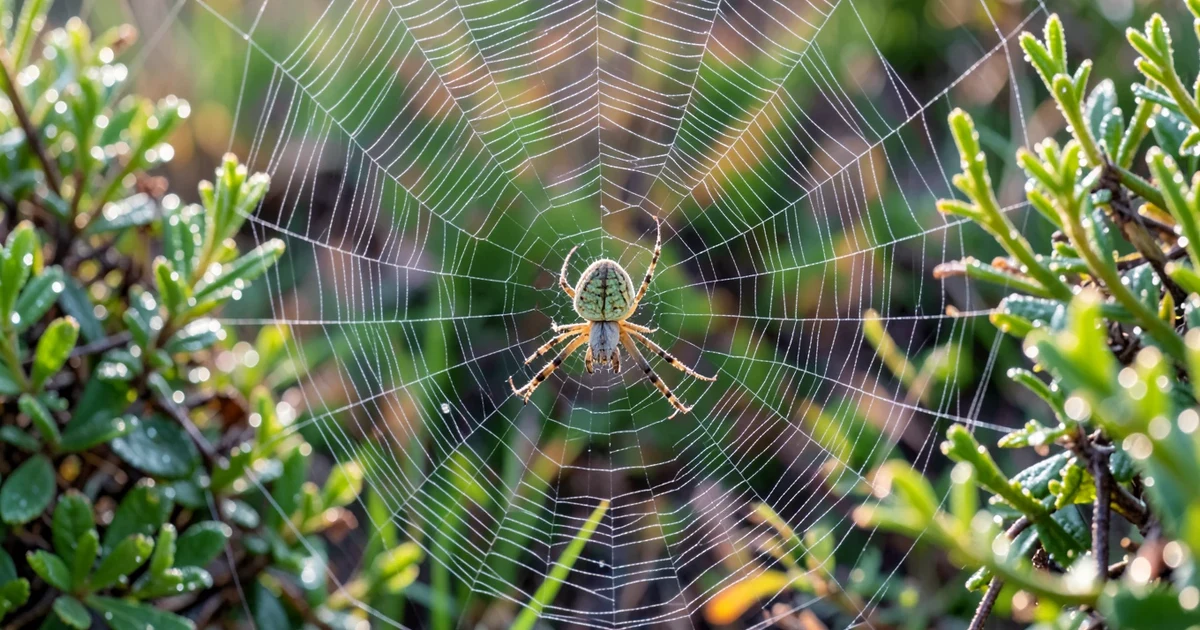
The Big Spider in the Garden Web: Orb Weavers
The large spider in the wheel-shaped web across your path is an orb weaver, it is harmless, and it will be gone by December on its own.
3 min read
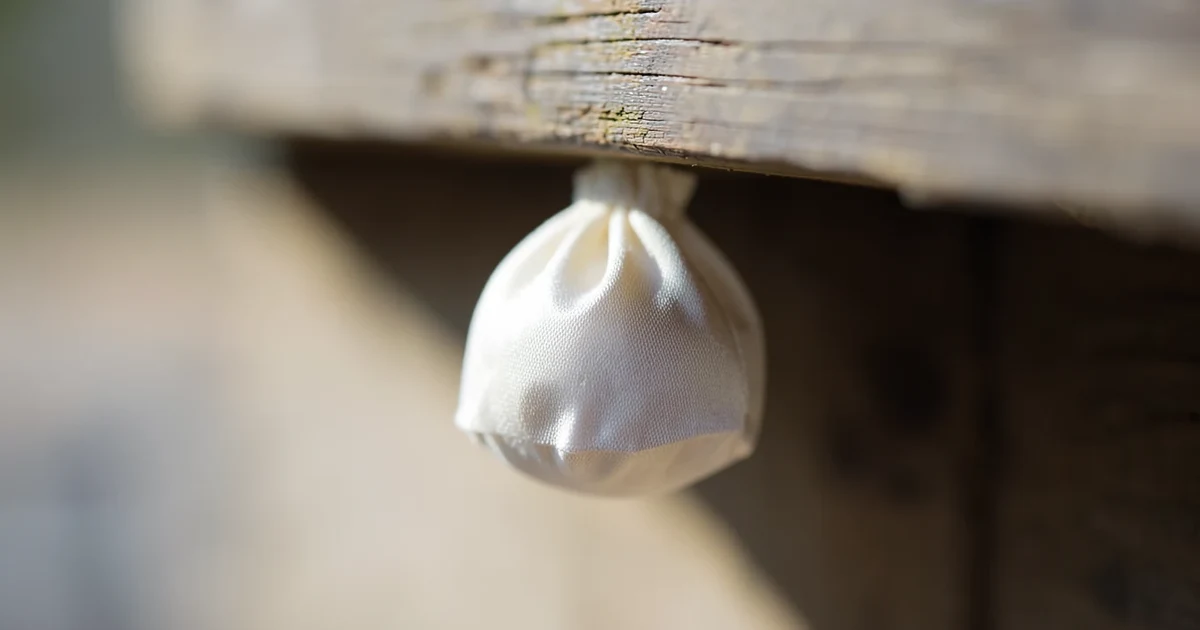
What Is in That White Ball? Spider Egg Sacs
Egg sacs are more distinctive than the spiders that made them. Shape, texture and where it is attached identify the group — including the one that matters.
4 min read
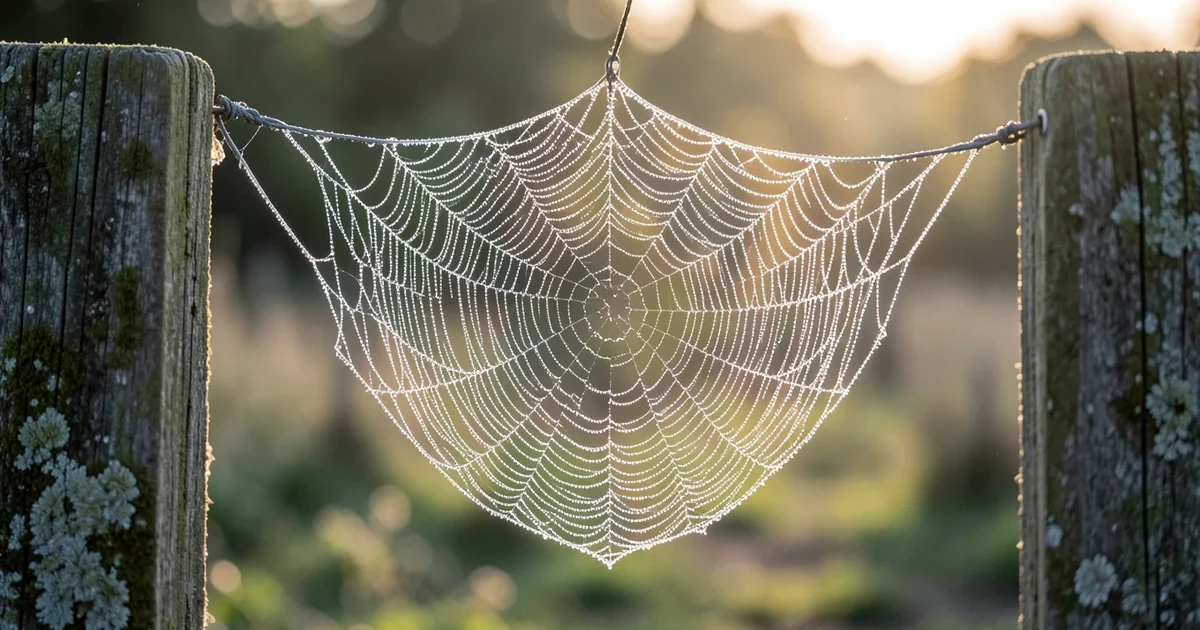
Identifying a Spider by Its Web
Web architecture is fixed by family, so the web identifies the group even when the spider is hidden. Four shapes cover almost everything you will find.
4 min read
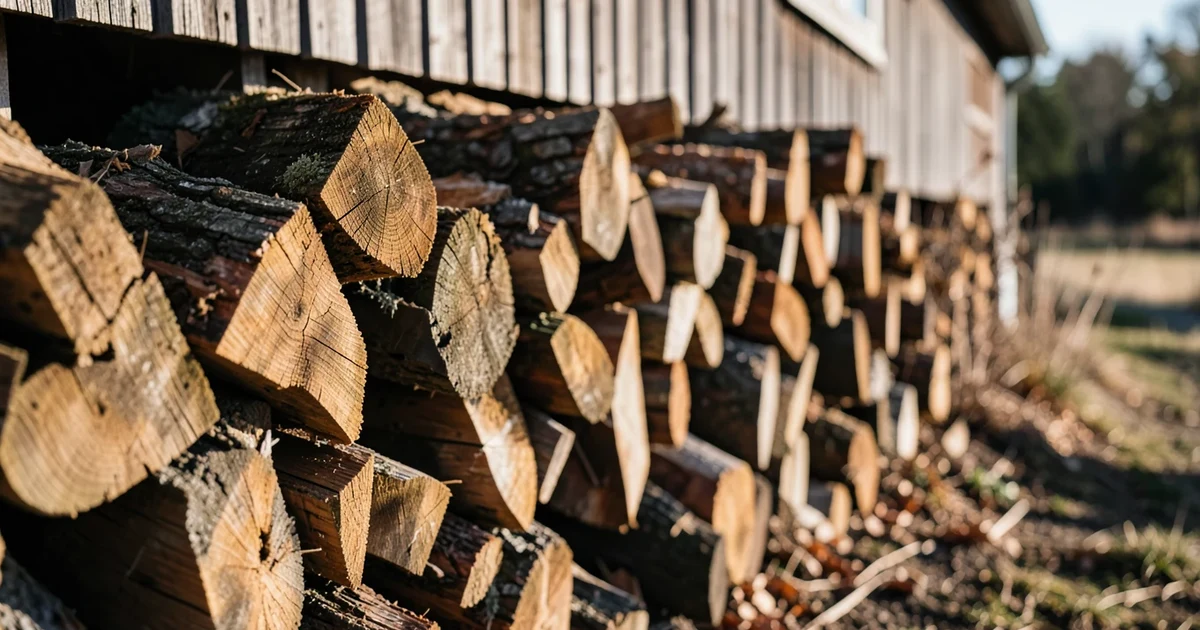
Are There Black Widows Where You Live?
Four widow species cover most of the United States between them, and the brown widow is still spreading. The range is far wider than the recluse's.
3 min read

The Yellow Sac Spider: Small, Pale, and the One That Actually Bites
Pale, small, and responsible for a large share of genuine indoor spider bites — because it wanders at night and ends up in bedding rather than because it is aggressive.
3 min read
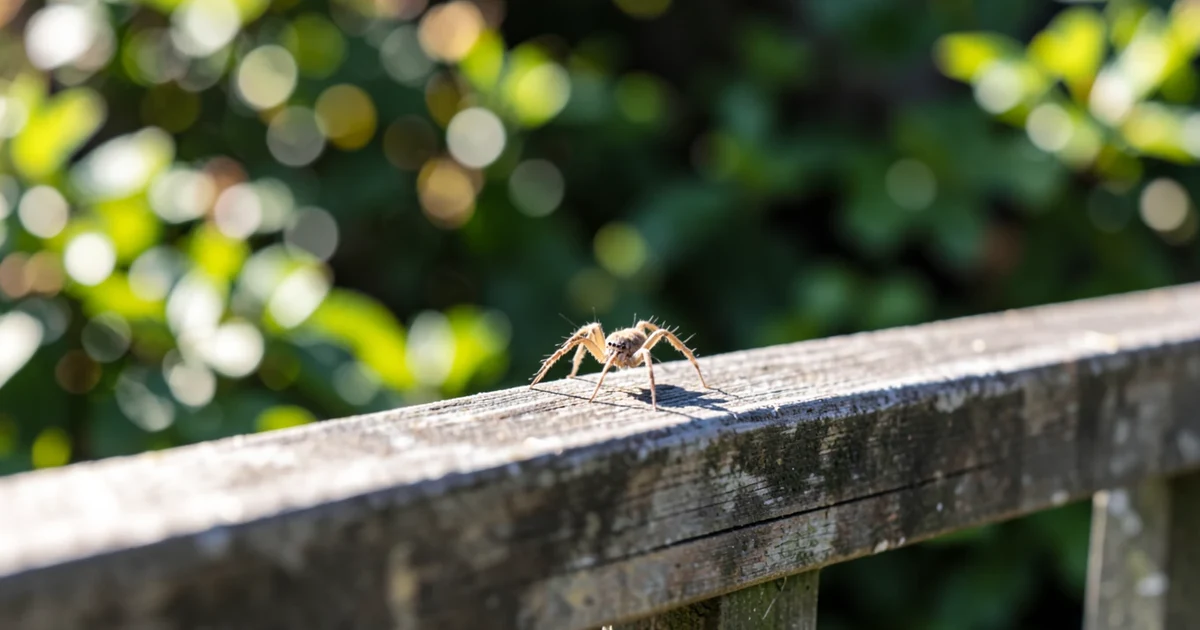
Jumping Spiders: How to Recognise the Ones Watching You Back
Two enormous forward-facing eyes and a habit of turning to look at you. Jumping spiders have the best vision of any spider and are entirely harmless.
3 min read
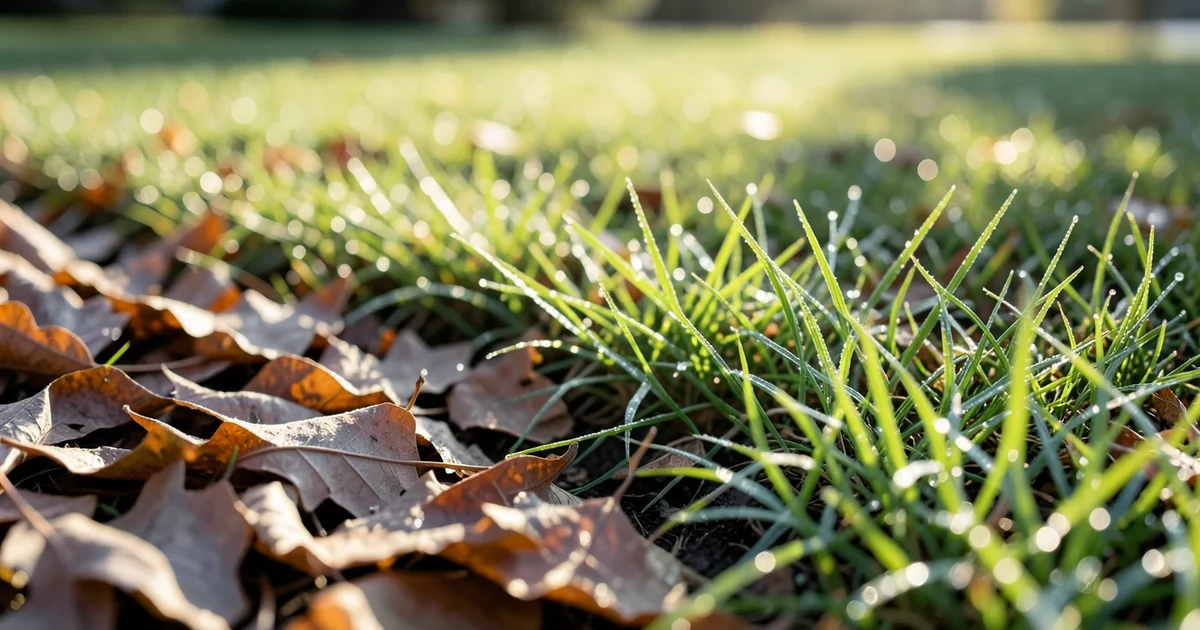
Wolf Spider or Nursery Web Spider? Watch What She Carries
A wolf spider carries her egg sac attached to her spinnerets and her young on her back. A nursery web spider carries hers in her jaws. Eye arrangement confirms it.
3 min read

Do Brown Recluses Come Out During the Day?
They are nocturnal, but that is not the useful answer. What matters is when and why they end up on an open floor, and which encounters actually lead to a bite.
3 min read
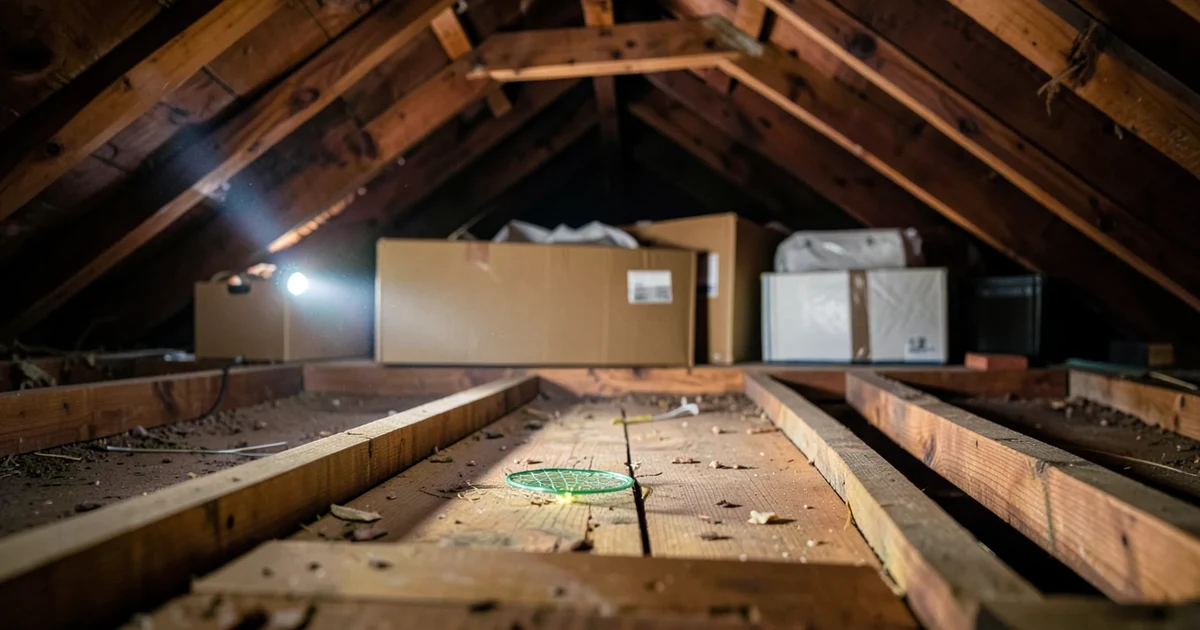
What a Brown Recluse Infestation Actually Looks Like
One spider is not an infestation. Here is what a genuine population looks like, how to find out with sticky traps, and what the numbers in real houses actually are.
3 min read

Six Spiders That Look Like a Brown Recluse (And Are Not)
Cellar spiders, funnel weavers, wolf spiders, sac spiders, ground spiders and woodlouse hunters — and the one feature each of them has that a recluse never does.
3 min read

How to Know If It Really Is a Brown Recluse
Six eyes in three pairs, uniform tan legs, and no pattern anywhere. The violin is the feature everyone checks first and the least dependable one on the animal.
3 min read
Brown Recluse or Wolf Spider? Size Settles It
Wolf spiders are big, hairy and patterned. Recluses are small and plain. Five differences you can check from a photograph, starting with the one that resolves most cases.
3 min read
Black Widow or Common House Spider? Look Underneath
Widows and house spiders build the same messy web in the same dark corner. The red hourglass underneath is the whole test — plus three backup checks including the egg sac.
3 min read