

Are There Tarantulas Where You Live?
By IdentifyThese Editorial · Reviewed · 3 min read
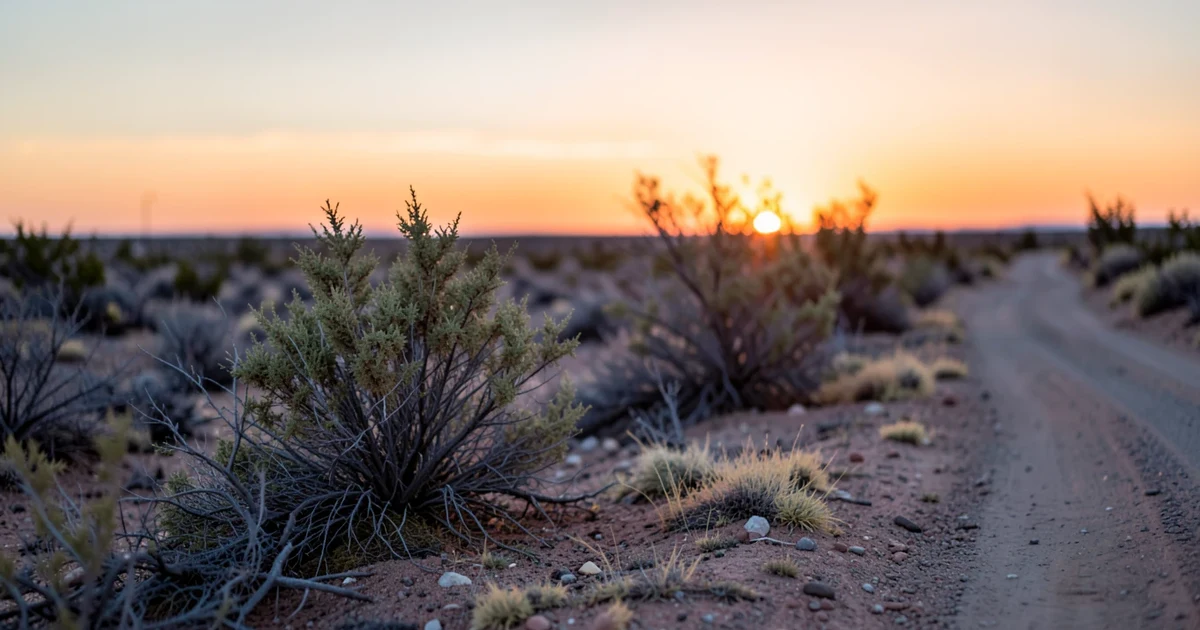
There are roughly thirty native tarantula species in the United States, all in the genus Aphonopelma, and all in the southwest and southern plains.
If you are east of about Louisiana or north of about Colorado, the large hairy spider you found is not one. It is most likely a wolf spider or a dark fishing spider, both of which reach sizes that surprise people.
The range
Native tarantulas occur in: California, Nevada, Utah, Arizona, New Mexico, Colorado, Kansas, Oklahoma, Texas, Arkansas and Louisiana, with the densest diversity in Arizona and Texas.
There are none in the northeast, the upper Midwest, the Pacific Northwest or the southeast beyond the Gulf fringe.
The Texas brown tarantula (Aphonopelma hentzi) is the most widespread and the one most people in the plains states encounter.
Recognising one
- Large and heavy-bodied — body 5–7 cm, leg span often over 10 cm.
- Densely hairy all over, including the legs.
- Thick legs relative to the body.
- Usually uniform brown or black, occasionally with a paler carapace.
- Two prominent palps at the front which, on a male, end in swollen structures that look like boxing gloves.
- Moves slowly and deliberately rather than darting.
That last point separates them from everything else on this page. Wolf spiders and fishing spiders are fast; tarantulas walk.
The autumn walk
Every autumn there are reports of tarantula migrations, and they are real without being migrations.
Mature males — at around seven to ten years old — leave their burrows and walk, sometimes for kilometres, looking for females. They walk in daylight, they cross roads, and in areas of high density there can be a great many at once.
They do not return. A male that has mated dies over the following months, and the walk is the end of his life rather than a seasonal round trip.
Females stay in their burrows and can live 20 to 30 years, occasionally longer, which makes them among the longest-lived terrestrial invertebrates.
It is the same underlying reason large spiders appear all over the country in September — mature males searching — just at a much larger scale and with a much longer preamble. Why there are suddenly spiders everywhere in autumn covers the house-spider version.
Defences
A bite is possible and uncommon, and it is comparable to a bee sting: local pain, no tissue damage, no systemic effect. New World tarantulas have mild venom.
The more likely defence is the urticating hairs. Threatened, a tarantula rubs its hind legs across its abdomen and flicks a cloud of barbed hairs into the air. They cause itching and irritation on skin and are genuinely painful in the eyes — which is the actual argument for not handling one, and for wearing eye protection if you keep them.
A tarantula that has been flicking will have a visible bald patch on the abdomen.
The threat display
Before either defence, a tarantula rears up: front legs and palps raised, fangs exposed. It looks alarming and it is a warning rather than an attack. Back away and it will lower and walk off.
If you find one
Leave it alone. It is walking somewhere and it will keep walking.
If it is indoors or on a road, guide it into a large container with a piece of card and put it in cover nearby. Do not pick it up — not because of danger, but because a fall from a hand can rupture the abdomen and kill it. Tarantulas are fragile in that specific way and they do not survive it.
Several Aphonopelma species are of conservation concern, and some populations are affected by collecting for the pet trade.
Not tarantulas
- Wolf spiders — smaller, faster, with two very large forward-facing eyes that reflect torchlight.
- Fishing spiders — comparable leg span, much lighter body, near water and on tree trunks, and eastern.
- Camel spiders (solifuges) — not spiders at all, present in the desert southwest, fast, with huge jaws, and the subject of a great deal of exaggeration. No venom.
- Vinegaroons — also not spiders, with a whip-like tail, and they spray acetic acid rather than biting.
The two spiders in North America worth identifying carefully are both small, and neither is anywhere near this size — the widows, whose range is set out in are there black widows where you live, and the recluses.
Species referenced
If you think you were bitten
- Most suspected spider bites are not spider bites. Studies of patients presenting with a “spider bite” repeatedly find that the large majority are bacterial skin infections — frequently MRSA — which need antibiotics rather than reassurance. A spreading, painful, pus-filled sore is far more likely to be an infection than a spider.
- Wash it, ice it, and watch it. Clean the area with soap and water, apply a cold pack, and keep an eye on it.
- Get medical care if the wound spreads or darkens, if you develop cramping, sweating, fever or severe abdominal pain, or if you are confident it was a widow or a recluse.
- Bring the spider only if it is already dead and to hand. Do not go looking for it. Doctors treat symptoms, not species.
In the US, the Poison Help line is 1-800-222-1222. This site is a reference, not medical advice.
Keep reading
- Fishing Spiders: The Very Large Ones Near WaterAmong the largest spiders in North America by leg span, found on docks, in basements and on tree trunks near water — and completely harmless.
- Are There Black Widows Where You Live?Four widow species cover most of the United States between them, and the brown widow is still spreading. The range is far wider than the recluse's.
- Why There Are Suddenly Spiders Everywhere in AutumnThey are not coming in from the cold. The spiders in your house in September have been there all year, and they are moving because they are looking for mates.