

Mold on Clothes and Fabric
By IdentifyThese Editorial · Reviewed · 3 min read
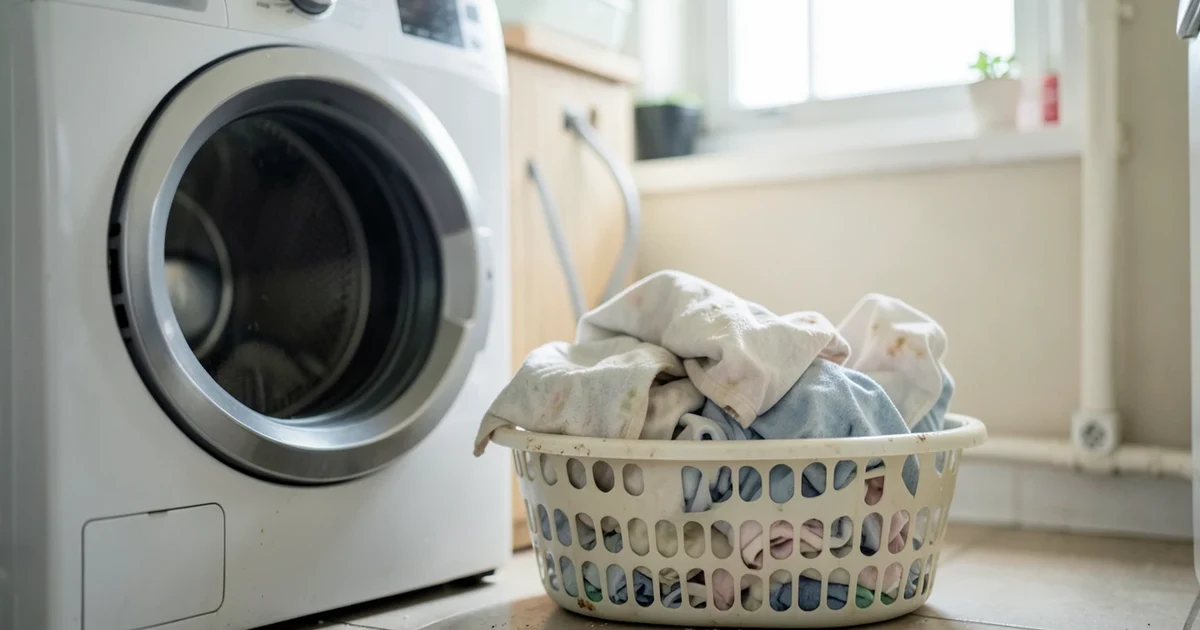
Fabric mold is more recoverable than most people assume, and the step that loses garments is almost always the same one: putting them in a hot dryer before the stain is out.
Heat sets the stain permanently. Get the removal done first, then dry.
First, outside
Take the item outdoors before doing anything. Brushing mold off indoors distributes spores through the room, and a laundry basket of moldy clothes is a substantial spore source.
Let it dry in the sun if you can — mold is easier to brush off dry than damp, and UV helps. Then brush the surface growth off with a stiff brush.
Then wash
Whites and colourfast fabrics
- Pre-soak in warm water with oxygen bleach — sodium percarbonate, sold as Oxi-type powders — for one to four hours. This is the workhorse: it lifts mildew stain without destroying fibres, and it is colour-safe.
- Wash at the hottest temperature the care label permits, with normal detergent.
- Check before drying. If the stain persists, repeat. Do not tumble dry.
- Line dry in sunlight if possible.
Delicates, wool, silk
Do not use chlorine bleach or hot water. Soak in cool water with a little white vinegar — one part to four — for an hour, then wash gently per the label. Accept that some staining may remain.
Chlorine bleach on whites only, and as a last resort. It weakens fibres and will not touch protein or dye-based staining.
White vinegar in the wash — a cup in the drum — deals with the musty smell effectively and is worth adding to any of the above.
Borax, half a cup in the wash, inhibits regrowth and helps with odour.
The stains that will not come out
Some mildew has produced pigment that has bonded to the fibre. If two full treatments have not shifted it, further attempts mostly damage the fabric.
Options at that point: sunlight over several days, which genuinely fades some mildew staining; dyeing the garment; or accepting it. Professional cleaners can occasionally do better on natural fibres, and it is worth asking before writing off something valuable.
Leather, suede and upholstery
Leather — wipe with a cloth dampened in a 1:1 solution of rubbing alcohol and water, then dry away from heat, then condition. Never soak.
Suede — dry brush only, outdoors. Moisture makes it worse.
Upholstery — surface growth on a removable cover washes. Growth that has reached the foam underneath generally means the piece is not recoverable, for the same reason soft cheese is not: the visible part is a fraction of it.
Why it happened
Fabric molds when it is stored damp or in a humid space. The usual causes:
- Wet washing left in the machine. A few hours in summer is enough.
- Damp clothes in a basket or a closed laundry bin.
- Storage in a basement, garage or loft without moisture control.
- A wardrobe against a cold exterior wall, where the air behind the clothes is still and cold — the same mechanism as mold behind furniture.
- Plastic storage bags and vacuum bags sealed with any residual moisture in the fabric.
Storing so it does not recur
- Store completely dry. Not nearly dry.
- Cotton or canvas garment bags rather than plastic, which traps moisture.
- Leave a gap between the wardrobe and an exterior wall, and do not pack clothes tight.
- Silica gel or a moisture absorber in enclosed storage.
- Cedar and lavender do nothing about mold, whatever else they do about moths.
When the machine is the problem
Clothes that come out smelling musty after washing point at the machine.
Front-loaders are the usual case. Pull back the door gasket and look in the fold — black growth there is extremely common, and it recontaminates every load.
- Wipe the gasket after each wash and leave the door ajar.
- Clean the detergent drawer, which grows a slime layer.
- Run a monthly hot maintenance wash, empty, at 90 °C with oxygen bleach or a machine cleaner.
- Use less detergent, not more. Excess residue is what feeds the growth.
If the smell persists after all of that and comes and goes with no clear source, the room may be the issue rather than the laundry — a musty smell with no visible mold covers the search.
Types referenced
The species matters less than you think
- Public health guidance is to remove all indoor mold regardless of type. The CDC and EPA do not recommend routine species testing for ordinary households, because the response does not change: find the water, stop it, remove the growth.
- “Toxic black mold” is a marketing phrase, not a category. Stachybotrys is real and does need soaked material to grow, so finding it tells you something useful about your building. But the health effects that are well established — allergy, asthma aggravation, irritation — are not specific to it.
- Mold without water does not persist. Cleaning growth while leaving the moisture source is why it comes back. The leak, the condensation or the ventilation is the actual problem.
Call a professional for areas larger than about 10 square feet, for anything in HVAC ductwork, after sewage or flood water, or if anyone in the household is immunocompromised or has a lung condition.
Keep reading
- A Musty Smell With No Visible MoldThe smell is real and it means active growth somewhere. Here is the search order, and the six places hidden mold is usually found.
- Mold on Wood FurnitureSurface mold on a finished piece wipes off. Mold on bare wood has gone into the grain, and the difference decides whether the piece is recoverable.
- Removing Mold: What Works, and Why Bleach Usually Isn't ItCleaning the growth without fixing the moisture is why mold comes back. What to use on which surface, what to throw away, and where the DIY limit sits.