

Guides
Each guide answers one question completely, without the exaggeration that surrounds this subject.
Leaving a House Empty
An empty house grows mold because nothing is generating heat or air movement. A few cheap measures prevent nearly all of it.
3 min read
Mold in a Rented Home
The argument is nearly always about whether it is condensation or a defect. Documentation decides it, and most tenants start documenting far too late.
3 min read
Wet Carpet, and What Is Underneath
The carpet is rarely the problem. The pad beneath it and the subfloor under that decide whether this is a drying job or a demolition one.
3 min read
The Cupboard Under the Sink
The most common slow leak in a house is under a sink, and the cupboard hides it until the base board has already gone soft.
3 min read
The Car Smells and the Windows Keep Fogging
A car that smells musty has water in it, usually from a blocked drain or a failed seal. Finding it matters more than any cleaning product.
3 min read
Foxing, Spotting and Mold on Books
Brown spots on old paper are usually not mold, and the treatment for one is wrong for the other. Freezing buys time for both.
3 min read
White Bloom on a Leather Jacket
Leather is an ideal substrate, and the white bloom that appears in a closed wardrobe is usually recoverable if it is caught early.
3 min read
The Pink Stuff in the Shower Is Not Mold
Pink or orange film in a shower or toilet is a bacterium, not a mold, and that changes both what removes it and how fast it returns.
3 min read
The Washing Machine Smells
Front loaders develop mold in a specific set of places, for reasons built into how they work. All of them are reachable.
3 min read
Is There Mold in the Ductwork?
Ducts are rarely the source. The coil and the drain pan usually are, and cleaning the wrong part is the industry's most common sale.
3 min read
Bubbling Paint and Peeling Wallpaper
Paint lifting off a wall is a moisture signal, and what is growing underneath is usually further along than what shows on the surface.
3 min read
The Basement Smells and Nothing Is Leaking
Most basement mold is condensation rather than a leak, and the counterintuitive part is that opening the windows in summer makes it worse.
3 min read
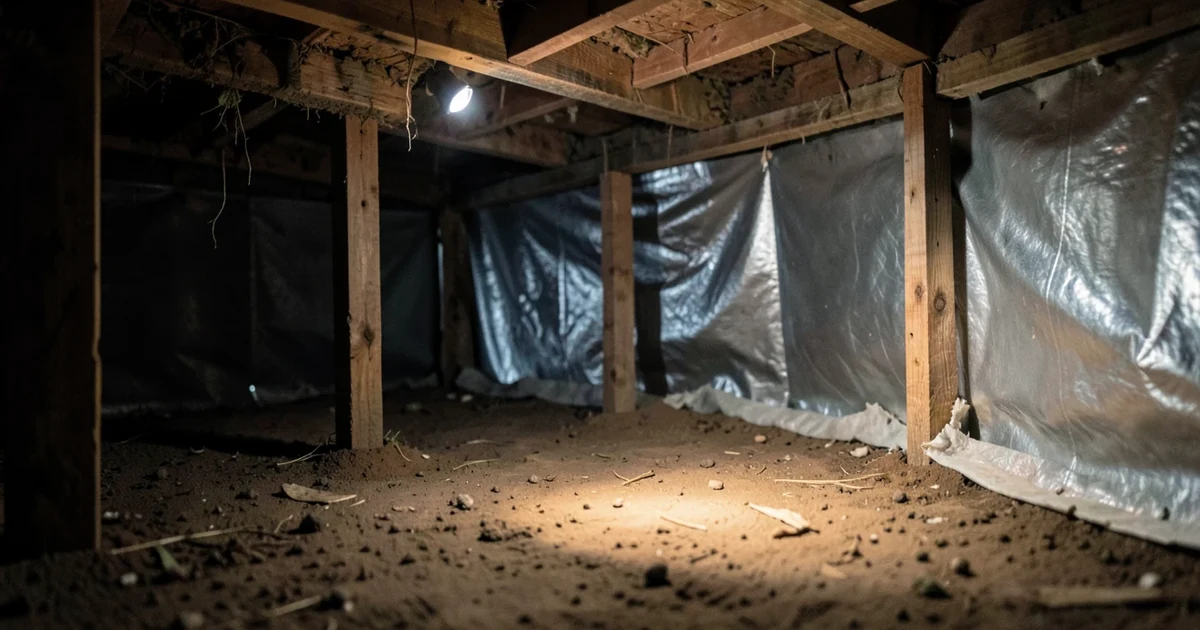
Mold in a Crawlspace, and Why the House Smells
Air moves upward through a building, so a crawlspace is not sealed off from the rooms above it. Vented crawlspaces in humid climates are the usual cause.
4 min read
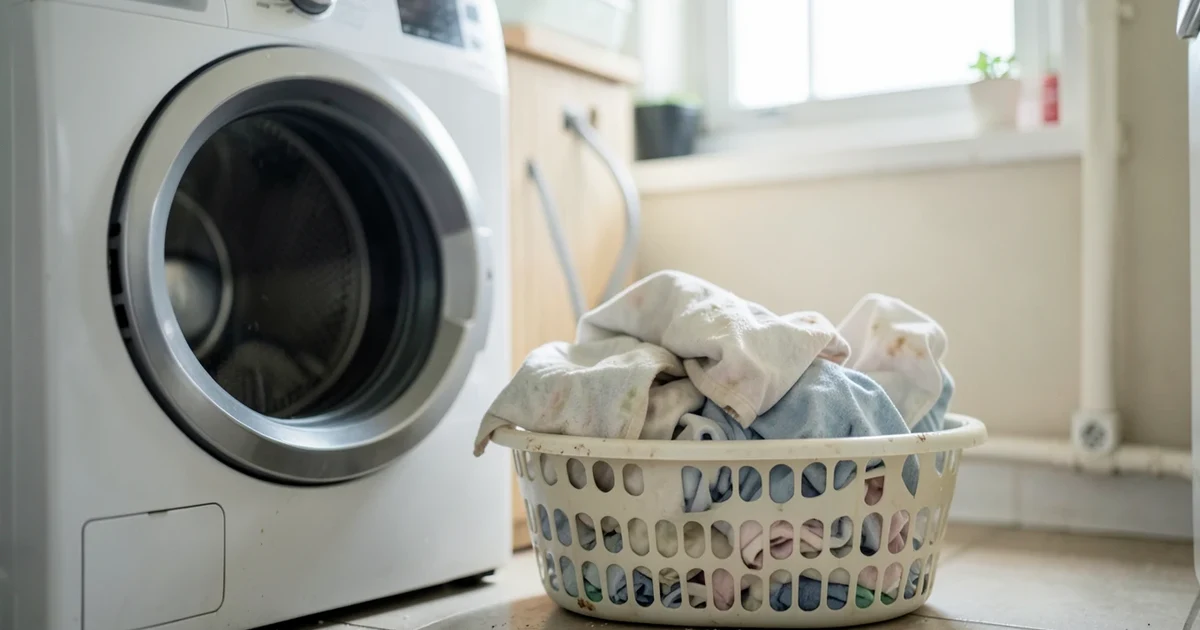
Mold on Clothes and Fabric
Most fabric mold washes out if you get to it early. Mildew stains set with heat, so the drying step is where garments are usually lost.
3 min read
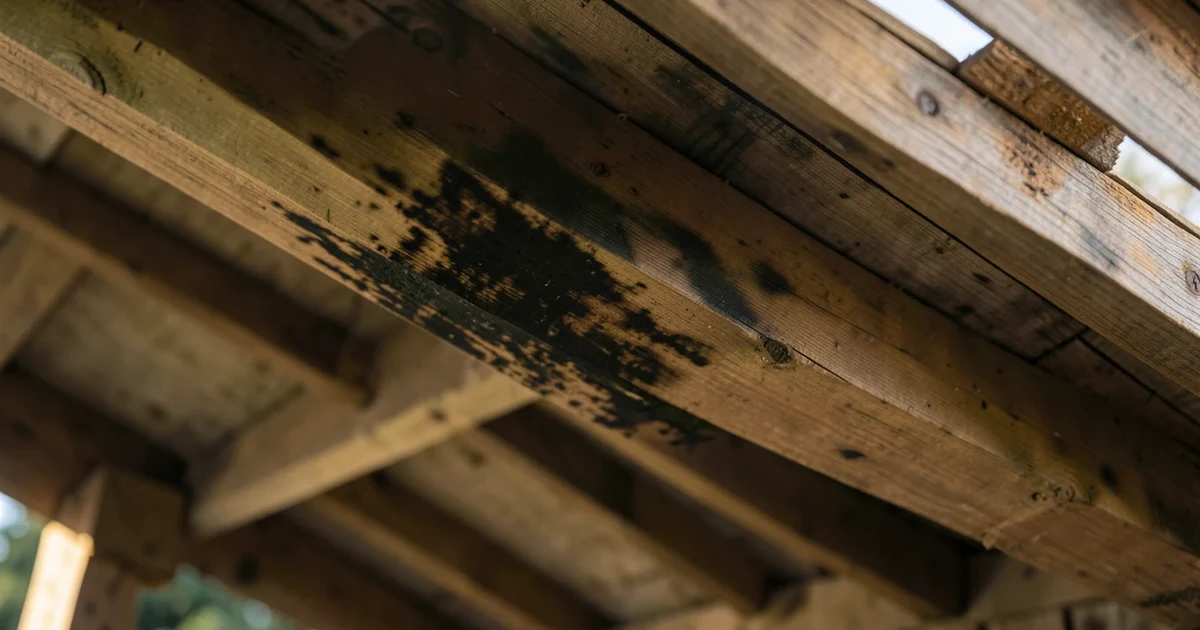
Mold in the Attic: Almost Always Ventilation
Attic mold is warm moist air from the house meeting cold roof sheathing. The pattern of growth points at exactly where it is getting in.
4 min read
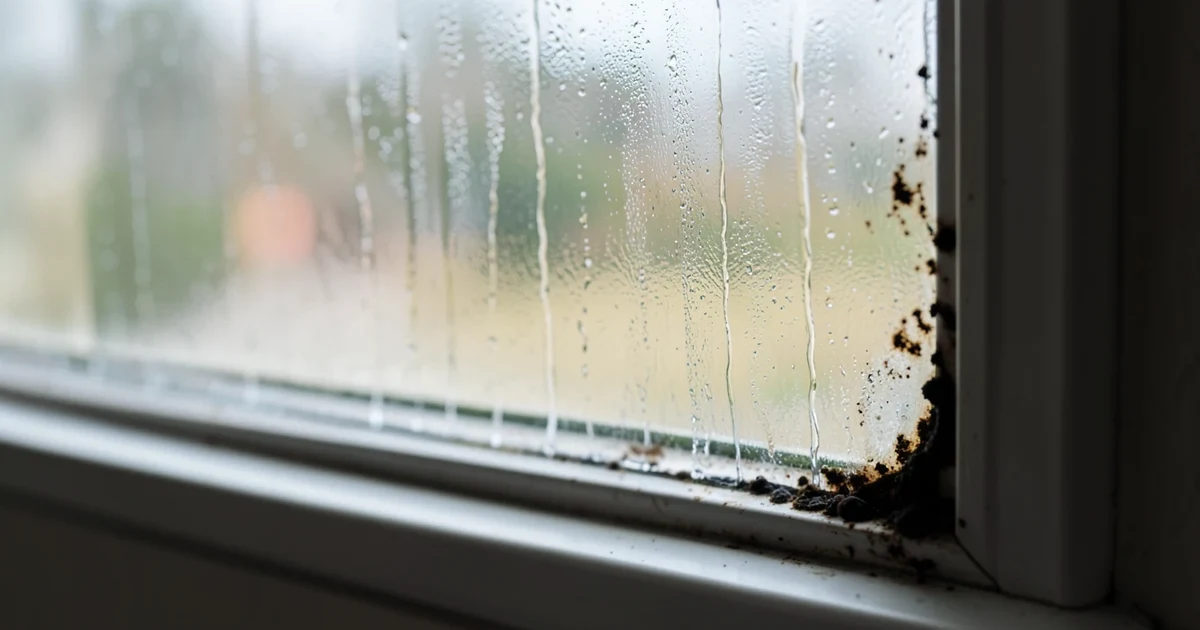
Black Mold Around Windows: It Is Condensation
Mold on a window reveal is the coldest surface in the room collecting the room's moisture. Cleaning it treats the symptom; three changes treat the cause.
4 min read
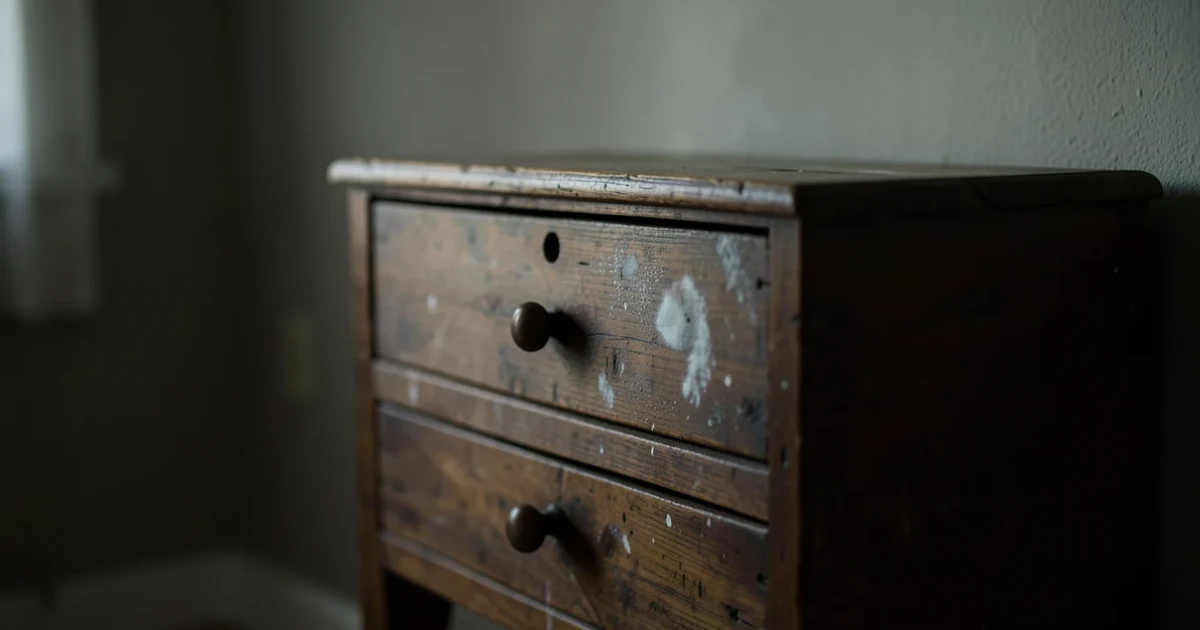
Mold on Wood Furniture
Surface mold on a finished piece wipes off. Mold on bare wood has gone into the grain, and the difference decides whether the piece is recoverable.
4 min read
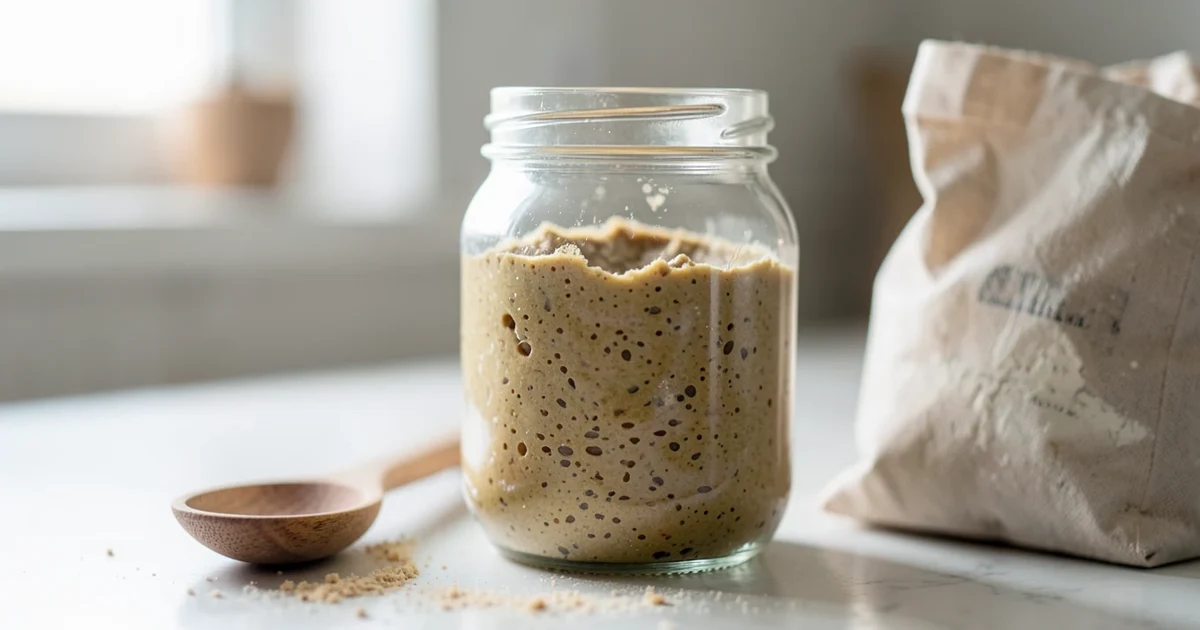
Mold on a Sourdough Starter, or Just Kahm and Hooch?
Fuzzy and coloured means throw it out. Flat white film, grey liquid, or an acetone smell are normal and fixable — and most starters are discarded unnecessarily.
3 min read
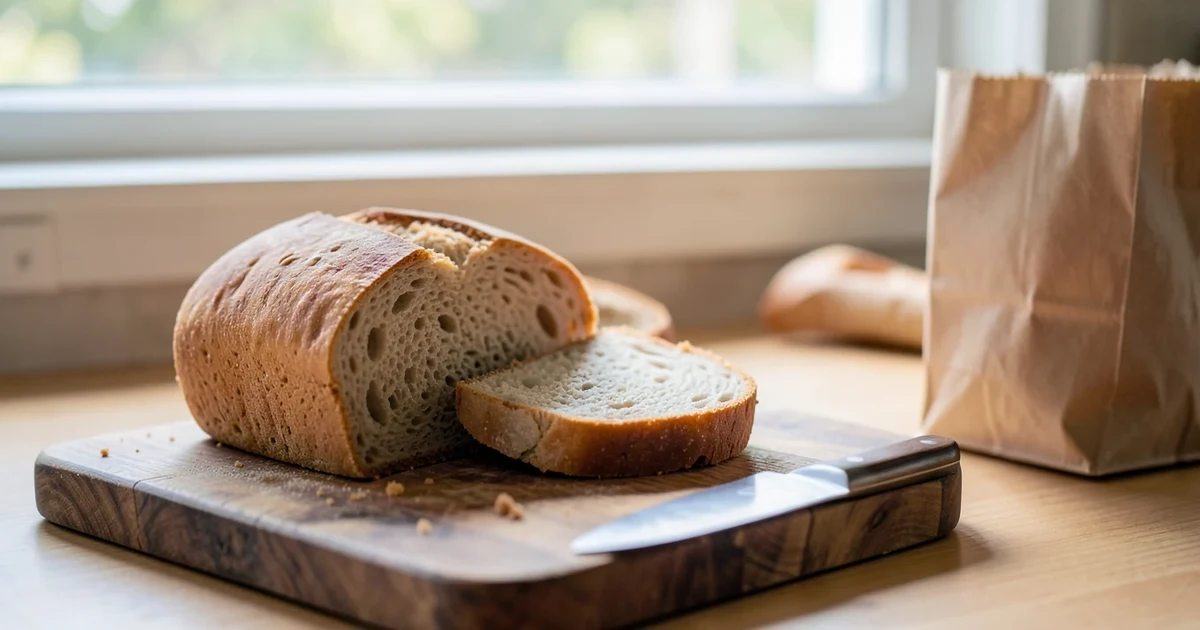
Mold on Bread: Is the Rest of the Loaf Safe?
No, and bread is the clearest case of all. Why cutting the moldy part off works for hard cheese and not for bread, and what the fuzz you can see is hiding.
3 min read
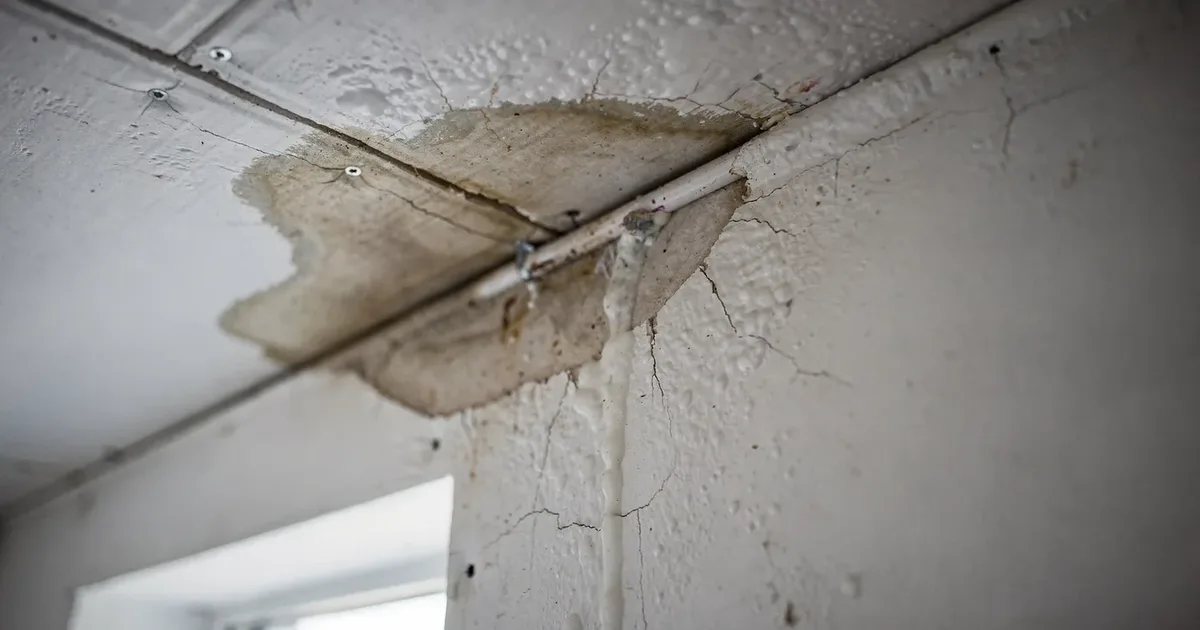
Toxic Black Mold: What the Evidence Actually Says
Stachybotrys is real, produces mycotoxins, and needs soaked material to grow. What it is not is a separate category of danger requiring a different response.
4 min read