

Toxic Black Mold: What the Evidence Actually Says
By IdentifyThese Editorial · Reviewed · 4 min read
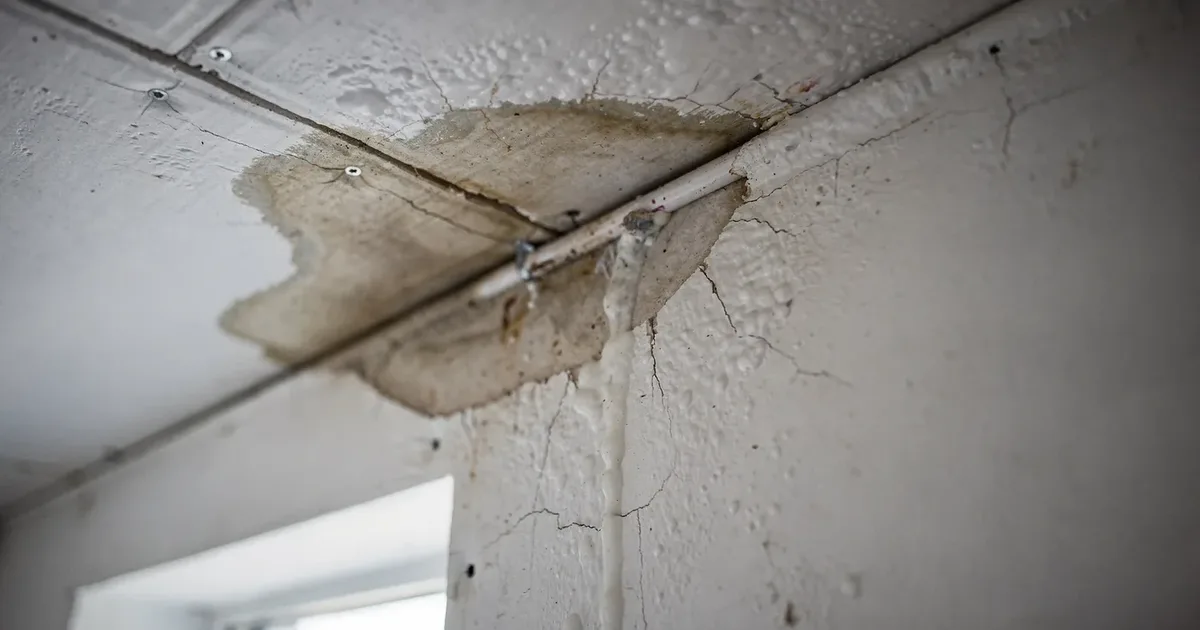
Search for black mold and you will find a great deal of frightening material. Almost all of it is published by companies that remove mold, which does not make it wrong, but does explain the tone.
Here is the more measured version.
What Stachybotrys actually is
Stachybotrys chartarum is a real fungus. It is dark greenish-black, it grows on cellulose-rich material — paper-faced plasterboard, cardboard, wood — and it produces mycotoxins.
The important qualifier is what it needs to grow: material that has been genuinely soaked for days, not merely humid. It follows floods, burst pipes and long-running leaks. It does not appear on a bathroom wall because the extractor fan is weak.
That makes finding it genuinely informative. Not because the species is uniquely dangerous, but because its presence tells you there is, or was, a serious water problem in that structure.
Where the "toxic mold" story came from
The phrase entered public consciousness in the 1990s, largely from a cluster of infant pulmonary haemorrhage cases in Cleveland that were initially linked to Stachybotrys exposure.
The CDC subsequently reviewed that investigation and concluded that the association was not adequately supported — the methodology had significant problems and the link could not be substantiated. Later reviews by the Institute of Medicine and the WHO found sufficient evidence associating indoor damp and mold with respiratory symptoms, asthma aggravation and hypersensitivity pneumonitis, but not for the more dramatic claims about mycotoxin-driven illness from ordinary indoor exposure.
The phrase outlived the science, helped considerably by an industry with a reason to keep it alive.
What is well established
None of this means indoor mold is fine. What is well supported:
- Damp indoor environments are associated with respiratory symptoms, coughing, wheezing and asthma aggravation.
- Mold is a significant allergen, and Alternaria in particular is a documented asthma trigger.
- People who are immunocompromised — transplant recipients, those on immunosuppressants, some cancer patients — face genuine infection risk from Aspergillus in particular.
- People with existing lung conditions are affected more than others.
That is a real set of reasons to remove mold promptly. It applies to all mold, not to one species.
Why species identification rarely changes anything
This is the practical point, and it is why this site treats identification as interesting rather than decisive.
The recommended action is the same regardless of species: find the moisture source, stop it, remove the growth, and dry the material. Nobody's remediation plan changes on receiving a species name.
The CDC's position is explicit that sampling is not routinely recommended, partly because there are no meaningful health-based standards to compare results against. A spore count means little without one.
Testing is genuinely useful in a narrow set of cases: landlord or insurance disputes, pre-purchase surveys, or where a doctor has asked for it as part of investigating a specific condition. Outside those, it mostly buys anxiety.
What black growth in your house probably is
If it is on bathroom grout, on a window frame, or on a painted wall, and it wipes off:
That is almost certainly ordinary surface mildew or Cladosporium — the most common mold on earth, which grows on humidity alone without any leak. It is an allergen and worth removing, and it is not Stachybotrys.
The distinguishing features:
| Stachybotrys | Ordinary black growth | |
|---|---|---|
| Texture | Slimy, wet-looking | Dry, powdery or velvety |
| Needs | Material soaked for days | Humidity alone |
| Location | Behind or on soaked drywall | Grout, sills, painted surfaces |
| Wipes off | No — grown into the material | Yes, leaving sound surface |
| Water source | Always findable | Often just condensation |
If you cannot find a water source, reconsider the identification.
What to actually do
- Find the water. A leak, condensation on a cold surface, ground moisture, or inadequate ventilation. This is the whole job — everything else is tidying.
- Fix it. Growth returns within weeks otherwise, which is why people believe mold is unkillable.
- Remove the growth. Hard surfaces can be cleaned with detergent and water; bleach is not necessary and does not work well on porous materials. Never mix it with ammonia or other cleaners.
- Replace porous material that stayed wet. Plasterboard, carpet and insulation wet for more than about 48 hours should be cut out rather than cleaned. You cannot get growth out of the inside of them.
- Control humidity. Below 50% relative humidity, most indoor mold simply cannot establish.
When to call a professional
Not for a patch of grout. Genuinely warranted for:
- Areas larger than roughly 10 square feet
- Anything in HVAC ductwork
- Contamination following sewage or flood water
- A household member who is immunocompromised or has a significant lung condition
- Growth you can smell but not find, which usually means it is inside a wall
Those are the cases where the cost is proportionate. Outside them, a dehumidifier and a working extractor fan will do more for your air than a remediation contract.
Types referenced
The species matters less than you think
- Public health guidance is to remove all indoor mold regardless of type. The CDC and EPA do not recommend routine species testing for ordinary households, because the response does not change: find the water, stop it, remove the growth.
- “Toxic black mold” is a marketing phrase, not a category. Stachybotrys is real and does need soaked material to grow, so finding it tells you something useful about your building. But the health effects that are well established — allergy, asthma aggravation, irritation — are not specific to it.
- Mold without water does not persist. Cleaning growth while leaving the moisture source is why it comes back. The leak, the condensation or the ventilation is the actual problem.
Call a professional for areas larger than about 10 square feet, for anything in HVAC ductwork, after sewage or flood water, or if anyone in the household is immunocompromised or has a lung condition.
Keep reading
- Are Mold Testing Kits Worth It? Mostly NotA petri dish will grow mold in any house on Earth, because spores are everywhere. A positive result is not evidence of a problem.
- A Musty Smell With No Visible MoldThe smell is real and it means active growth somewhere. Here is the search order, and the six places hidden mold is usually found.
- Black Rings in the Toilet Tank and BowlThe black or pink ring in a toilet is normally bacterial biofilm or manganese, not mold. Which changes what removes it and whether it keeps returning.