

What a Brown Recluse Infestation Actually Looks Like
By IdentifyThese Editorial · Reviewed · 3 min read
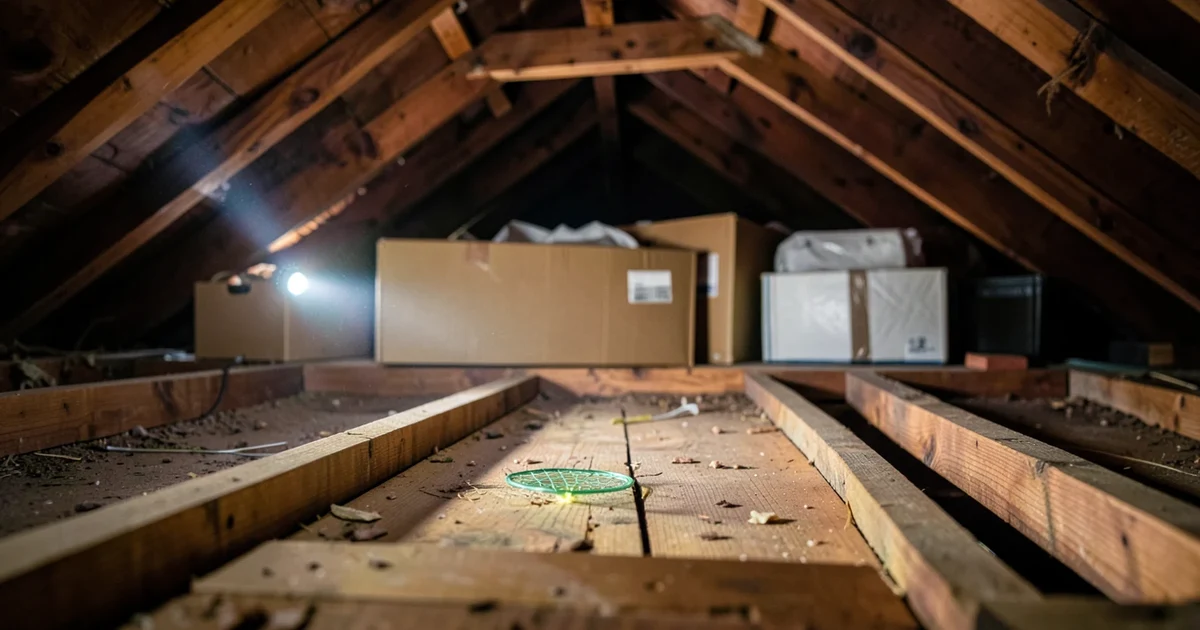
Finding one spider is not an infestation. It is one spider. The word gets used because pest control marketing uses it, and because a single frightening find feels like evidence of many more.
Sometimes it is. Genuine recluse populations exist and can be large. The difference between one wanderer and a real population is measurable, and you can measure it yourself for the price of a pack of sticky traps.
Put down traps before you decide anything
Flat glue boards — the kind sold for mice, without bait — are the standard survey tool. Entomologists use them because they sample continuously for weeks and do not care whether you are in the room.
Place them:
- Flat against walls, in corners, with the long edge touching the skirting
- Behind and under stored boxes
- In the garage, basement, attic and any closet that is rarely opened
- Under beds and behind furniture that never moves
Leave them a month. Then count.
What the numbers mean
| Caught in a month | Reasonable reading |
|---|---|
| 0 | No population. Whatever you saw was a wanderer or a lookalike. |
| 1–2 | A small presence, if they are recluses at all. Verify the identification. |
| 10–40 | An established population. Worth acting on. |
| 100+ | A heavy infestation. This is a real thing and does occur. |
The highest documented counts run into the thousands in a single house over a season. Those cases are real, and they are also the exception rather than the baseline — most homes inside the range that find a recluse find a handful.
Why they are where they are
Recluses want undisturbed, dry, dark places with something to eat. That is: cardboard, stored clothing, stacked timber, the gap behind a shelving unit nobody moves.
They are not attracted to dirt, and a spotless house inside the range can hold a population perfectly well. What matters is stillness, not cleanliness. A garage that is opened daily and a loft that has not been entered since 2019 are different habitats.
What actually reduces the population
In order of effect:
- Remove the harbourage. Cardboard into plastic tubs with lids. Stored clothing into sealed bags. Stacked timber off the floor and away from the wall.
- Keep the sticky traps down permanently. They both monitor and reduce.
- Seal entry points — gaps around pipes, unscreened vents, door sweeps.
- Insecticide, last and least. Recluses tolerate many residual sprays better than most spiders, and spraying without removing harbourage moves them around rather than removing them.
Before any of this
Confirm two things, in this order. First, that recluses live where you do — most of the United States sits outside the established range, and outside it verified specimens are rare enough that an infestation is close to unheard of. See do brown recluses live where you do.
Second, that the spider is a recluse. Six eyes in three pairs, uniform tan legs, no pattern anywhere. How to check properly — and be aware that most submitted specimens turn out to be something else.
A note on what this is not
An infestation is not a medical emergency. Recluses are not aggressive, they bite defensively when trapped against skin — inside clothing, in bedding, in a shoe — and the great majority of bites even from confirmed recluses resolve without serious tissue damage.
The practical precautions are boring and effective: shake out clothes and shoes that have been on the floor, do not store bedding under the bed, and wear gloves when moving boxes that have sat undisturbed.
If you think you were bitten
- Most suspected spider bites are not spider bites. Studies of patients presenting with a “spider bite” repeatedly find that the large majority are bacterial skin infections — frequently MRSA — which need antibiotics rather than reassurance. A spreading, painful, pus-filled sore is far more likely to be an infection than a spider.
- Wash it, ice it, and watch it. Clean the area with soap and water, apply a cold pack, and keep an eye on it.
- Get medical care if the wound spreads or darkens, if you develop cramping, sweating, fever or severe abdominal pain, or if you are confident it was a widow or a recluse.
- Bring the spider only if it is already dead and to hand. Do not go looking for it. Doctors treat symptoms, not species.
In the US, the Poison Help line is 1-800-222-1222. This site is a reference, not medical advice.
Keep reading
- How to Know If It Really Is a Brown RecluseSix eyes in three pairs, uniform tan legs, and no pattern anywhere. The violin is the feature everyone checks first and the least dependable one on the animal.
- Do Brown Recluses Live Where You Do? Probably NotBrown recluses live in a small part of the United States, and are absent from California, Florida, the Pacific Northwest and the northeast — despite constant reports.
- Six Spiders That Look Like a Brown Recluse (And Are Not)Cellar spiders, funnel weavers, wolf spiders, sac spiders, ground spiders and woodlouse hunters — and the one feature each of them has that a recluse never does.