

Leaves Curling Up or Curling Down? The Direction Tells You Why
By IdentifyThese Editorial · Reviewed · 3 min read
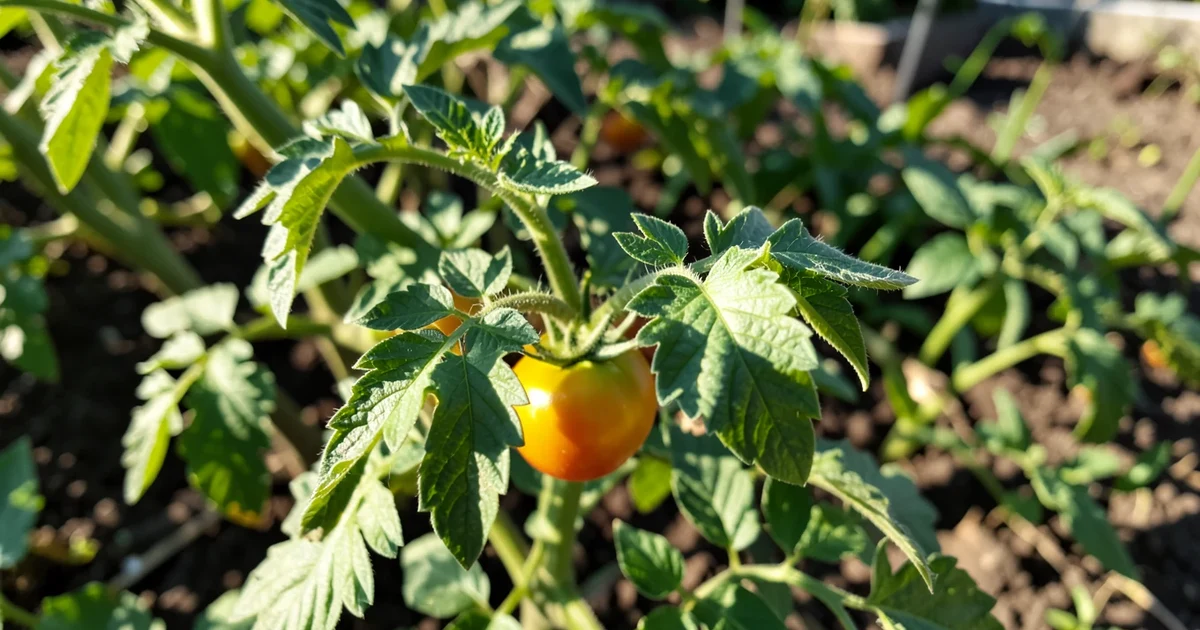
Curl direction is the most useful thing about a curling leaf, and almost nobody looks at it. Which way the edges go splits the causes into two groups that barely overlap.
Curling up and inward
The leaf edges lift and roll toward the midrib, sometimes until the leaf is a tube. This is a plant reducing the surface it is exposing.
Water stress and heat. Far and away the most common cause. The leaf rolls to cut transpiration and shade its own surface. Tomatoes do this dramatically and it alarms people every July.
The test is time of day. Rolled at 2pm and flat again by morning is physiological, and the plant is managing. Rolled at 7am means the roots genuinely cannot supply water — which can mean dry soil, or drowned roots that have stopped functioning, and the leaves will not tell you which. Dig.
Sudden heat or wind. A plant moved outdoors without hardening off, or a sharp temperature jump, rolls within hours.
Excessive pruning or heavy fruit load. Tomatoes especially — over-pruned plants roll because the root system is supporting less leaf area than it built for.
Aphids and thrips. Feeding on the growing tip curls new leaves inward and tight. Look for the insects; there will be honeydew if aphids.
Curling down and outward
The edges drop and the leaf turns under, often with the whole leaf drooping from the stalk.
Overwatering and root rot. Roots that cannot breathe stop moving water, and the leaf behaves as though it is drought-stressed while sitting in wet soil. Downward curl plus a heavy pot plus yellowing lower leaves is the classic combination — see why leaves turn yellow for where on the plant the yellowing appears and what that adds.
Root damage. Recent transplanting, digging near the roots, vole or grub damage.
Herbicide drift. The one worth ruling out early because nothing fixes it. Growth-regulator herbicides — 2,4-D, dicamba, aminopyralid — cause a very distinctive downward cupping with twisted, strap-like new growth and stems that curve. Tomatoes are extraordinarily sensitive and are the neighbourhood's early warning system.
Two features separate herbicide damage from everything else:
- It affects new growth hardest while older leaves stay normal.
- It shows a gradient across the garden — worse on the side facing the source.
Aminopyralid is the nastier version, because it arrives in manure, compost or straw from treated pasture and persists for months. If a whole bed of legumes and tomatoes is cupping and you mulched in spring, that is the first suspect.
Nitrogen excess. Over-fed plants produce dark, thick, downward-curling leaves on soft growth.
The quick table
| Direction | Extra signs | Likely cause |
|---|---|---|
| Up, recovers overnight | Hot, sunny days | Physiological leaf roll — nothing to do |
| Up, does not recover | Dry soil, wilting | Underwatering |
| Up, tight, new growth only | Sticky residue, insects visible | Aphids or thrips |
| Down, whole plant | Soggy soil, heavy pot | Overwatering, root rot |
| Down, cupped, twisted new growth | Stems curving, gradient across garden | Herbicide |
| Down, dark thick leaves | Recent feeding | Excess nitrogen |
What not to do
Do not fertilise a curling plant. It is the standard reflex and it is wrong in nearly every case above — a plant with damaged roots cannot use it, and a plant curling from excess nitrogen gets worse.
Do not spray. Curling is a symptom, and most causes here are not something a spray addresses. When not to spray covers why reaching for a bottle first tends to make diagnosis harder rather than the plant better.
Do check the soil at 10 cm depth with a finger before doing anything at all. It answers the most likely cause for free.
Problems referenced
Check these two things first
- Push a finger into the soil, two knuckles deep. Wet soil plus a wilting plant means too much water, not too little — and it is the commonest reason a plant is dying. Dry soil plus crisp leaves means the opposite. The leaves look nearly identical either way, so the soil is what tells you.
- Turn a damaged leaf over. Half of all diagnoses live on the underside: fuzz means downy mildew, fine webbing means spider mites, clusters of insects mean aphids. Nothing on the top of a leaf is as informative.
Most garden problems are cosmetic and resolve without treatment. Reach for a spray last, not first.
Keep reading
- Why Are My Plant's Leaves Turning Yellow? Start With WhereYellow leaves have at least seven common causes. Which leaves yellowed — oldest or newest — and whether the veins stayed green narrows it to one or two immediately.
- Overwatering or Underwatering? The Leaves Won't Tell YouBoth make a plant droop and yellow, and the treatments are opposites. The soil, the leaf texture and the recovery time separate them in under a minute.
- Black Spots and Black Leaves: Six Different ProblemsBlack on a leaf can be fungal, bacterial, an insect by-product, cold damage or sunburn. The halo, the shape and whether it rubs off separate them.