
Guides
Each guide answers one question completely, using what you can see without a microscope or a lab.
Root Rot, Caught Early Enough to Matter
Above ground it looks exactly like drought. The difference is in the pot, and checking takes two minutes.
3 min read
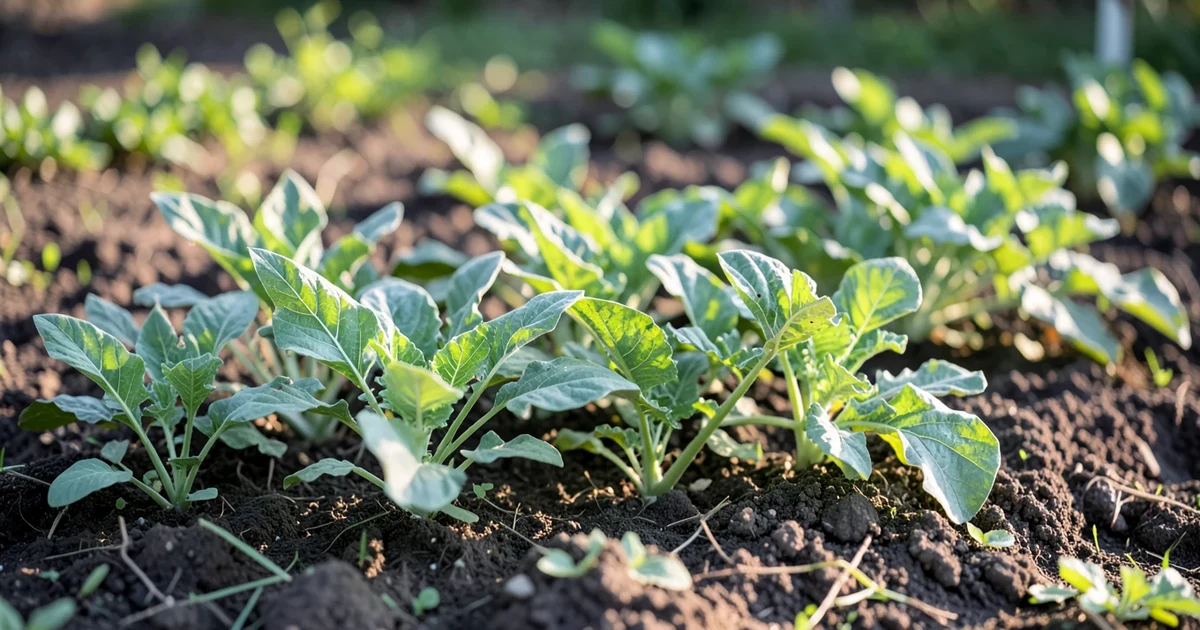
Is It Really a Nutrient Deficiency? Usually Not
Old leaves or new leaves — that one question splits the mobile nutrients from the immobile ones, and rules out most of what gets blamed on feeding.
3 min read
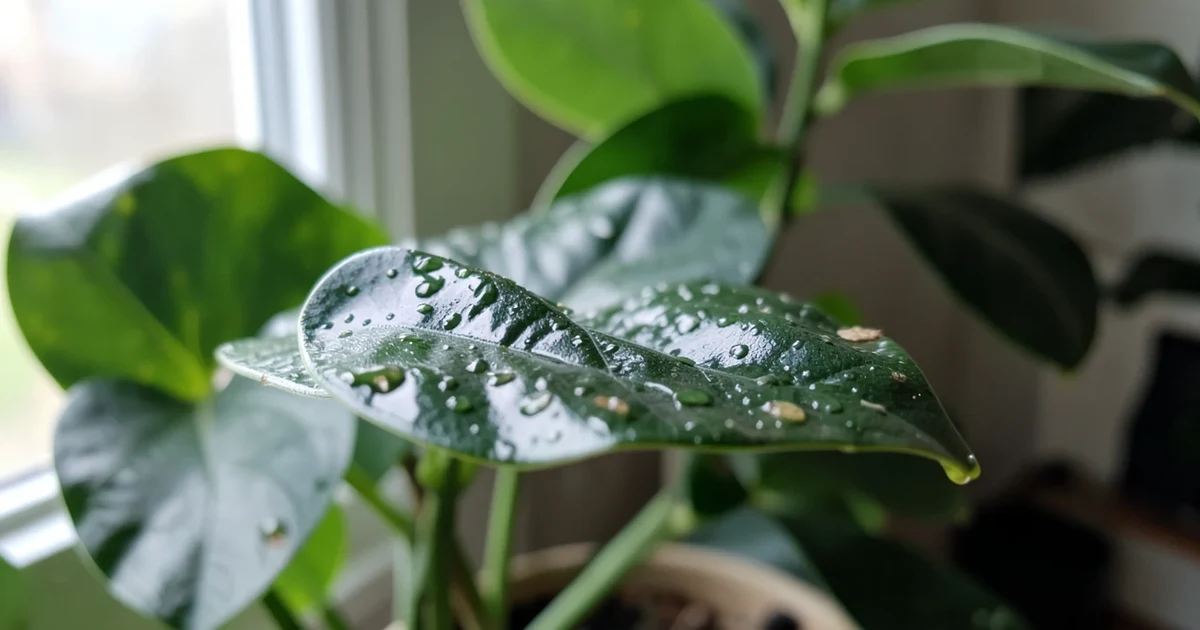
Sticky Leaves: What Honeydew Means and Who Is Making It
Sticky residue is insect excretion, and it always comes from above. Four sap-feeders produce it, and each leaves a different sign on the plant.
3 min read
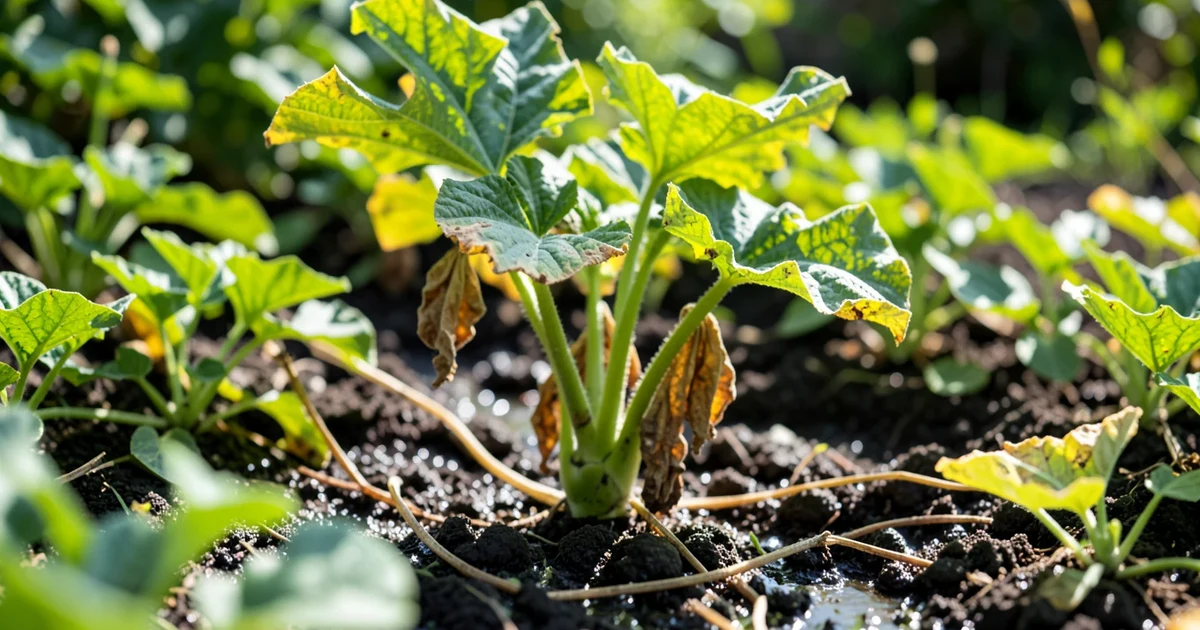
Wilting Even Though You Watered It
A plant wilting in wet soil has a supply problem, not a water problem. Root rot, vascular wilt and stem borers each leave a different mark.
3 min read
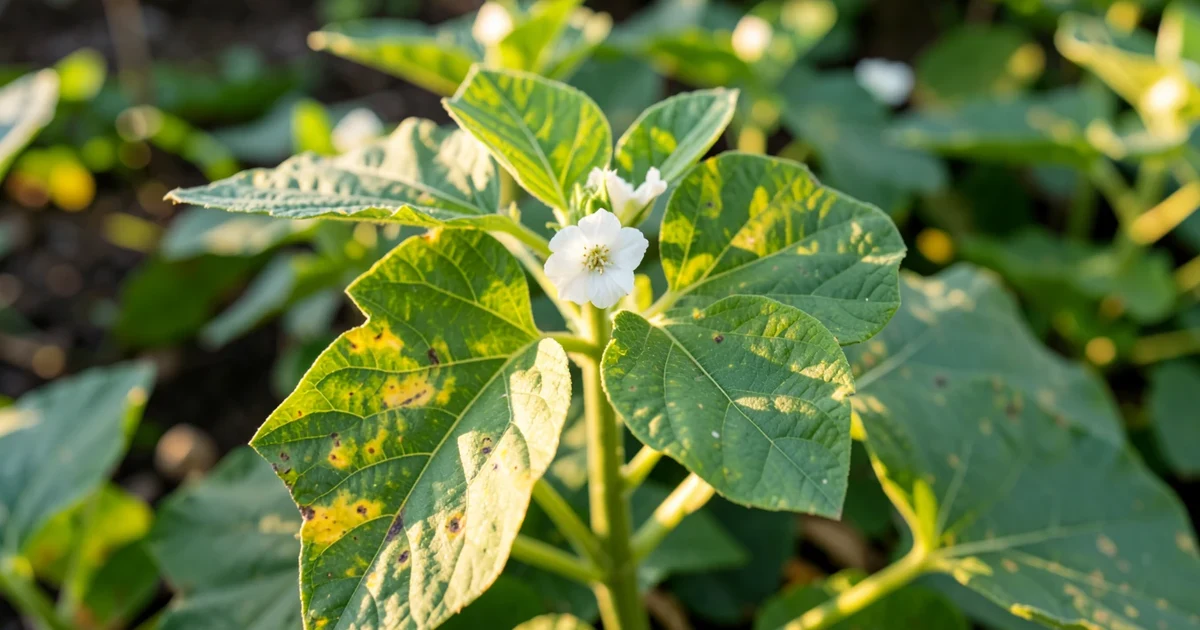
Powdery Mildew or Downy Mildew? They Are Not Related
Powdery mildew sits on top of the leaf and wipes off. Downy mildew grows underneath and is bounded by the veins. One is a nuisance; the other kills crops.
3 min read
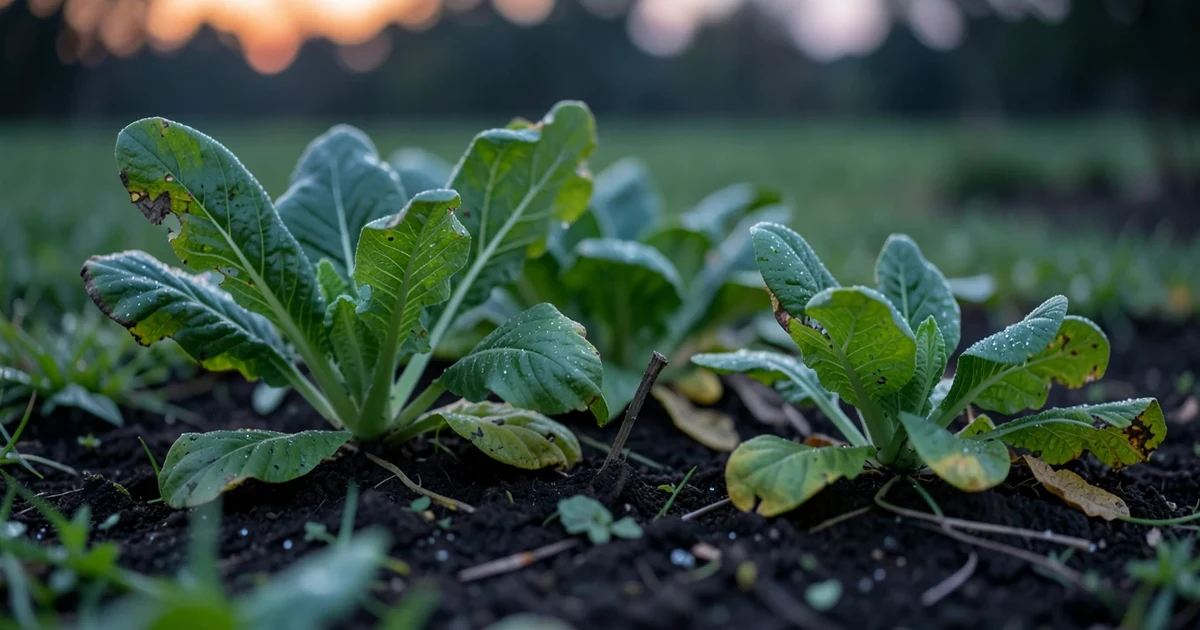
Something Is Eating My Leaves. What, and When?
The shape of the damage identifies the culprit better than catching it. Holes, edge notches, windowpaning and slime trails each point somewhere different.
3 min read
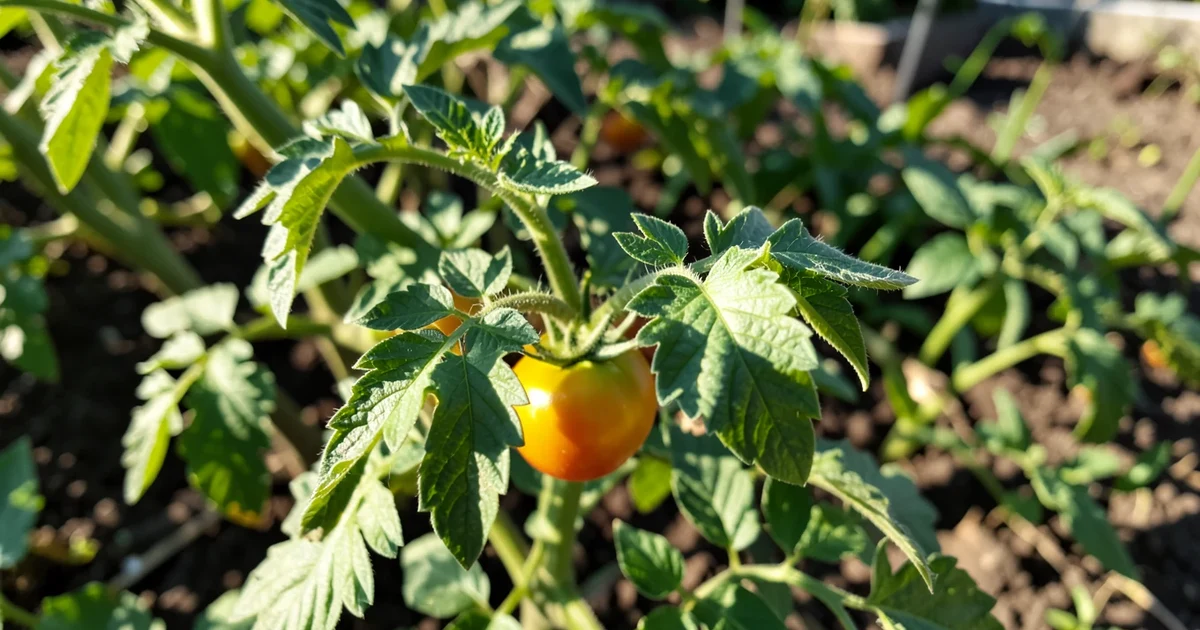
Leaves Curling Up or Curling Down? The Direction Tells You Why
Curling upward and inward is usually water stress or heat. Curling downward and outward points at overwatering, root damage or herbicide. Direction narrows it fast.
3 min read
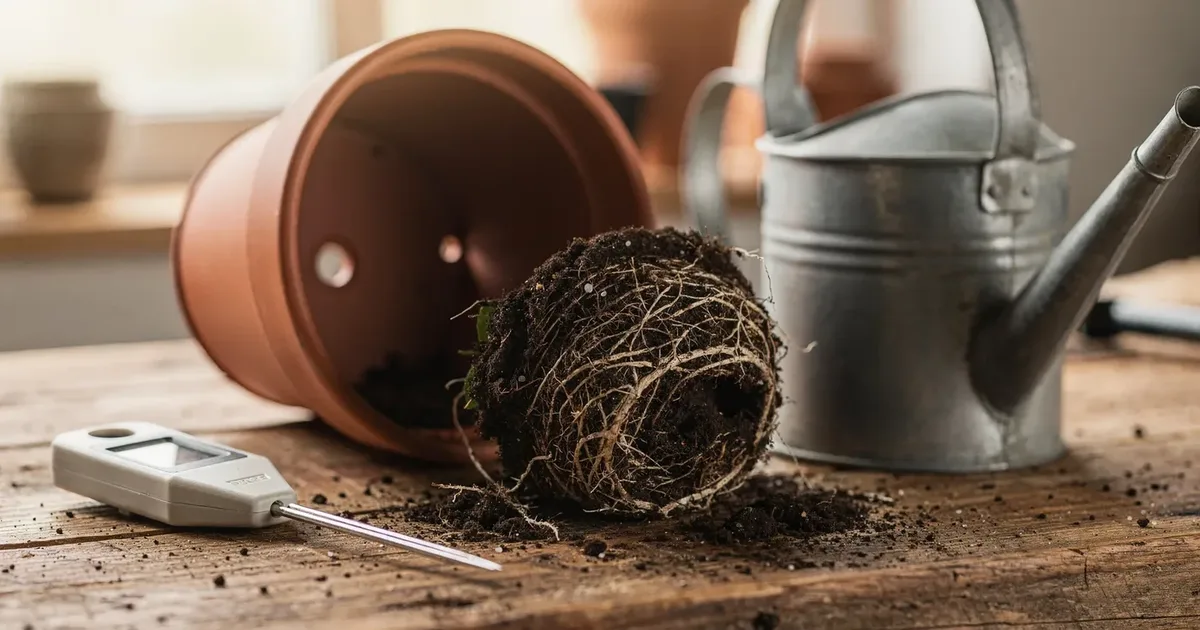
Overwatering or Underwatering? The Leaves Won't Tell You
Both make a plant droop and yellow, and the treatments are opposites. The soil, the leaf texture and the recovery time separate them in under a minute.
3 min read
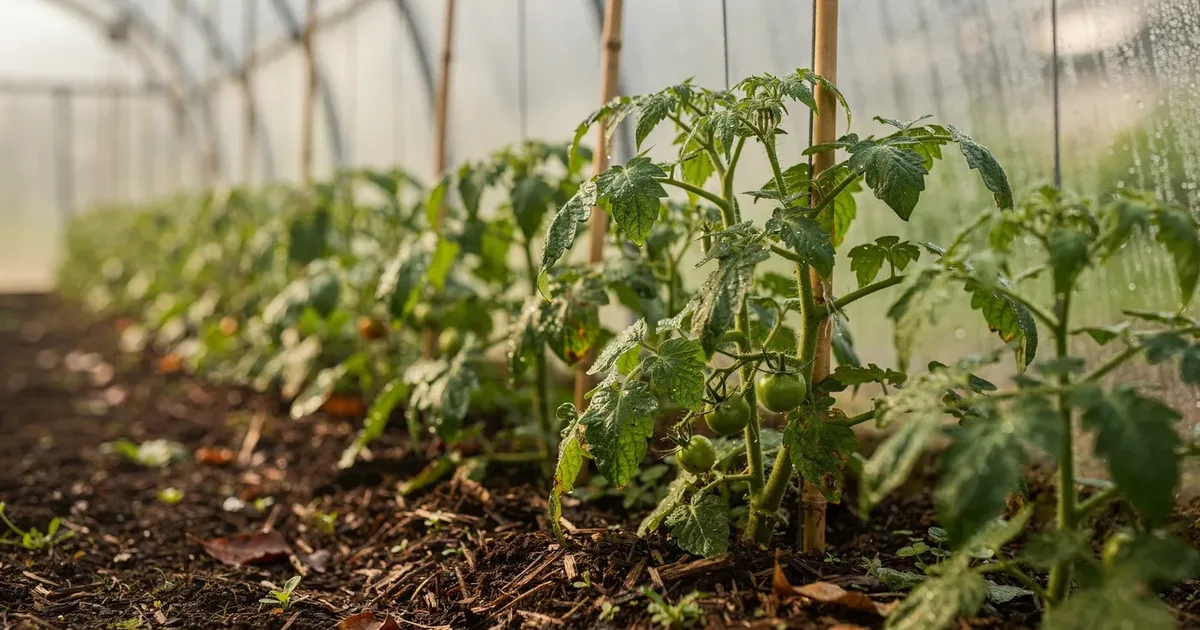
Which Tomato Leaf Spot Is It? Rings, Dots and Grease
Four diseases spot tomato leaves and they need different responses. Concentric rings, tiny black dots and a greasy texture separate them — one of them needs acting on today.
4 min read