

Something Is Eating My Leaves. What, and When?
By IdentifyThese Editorial · Reviewed · 3 min read
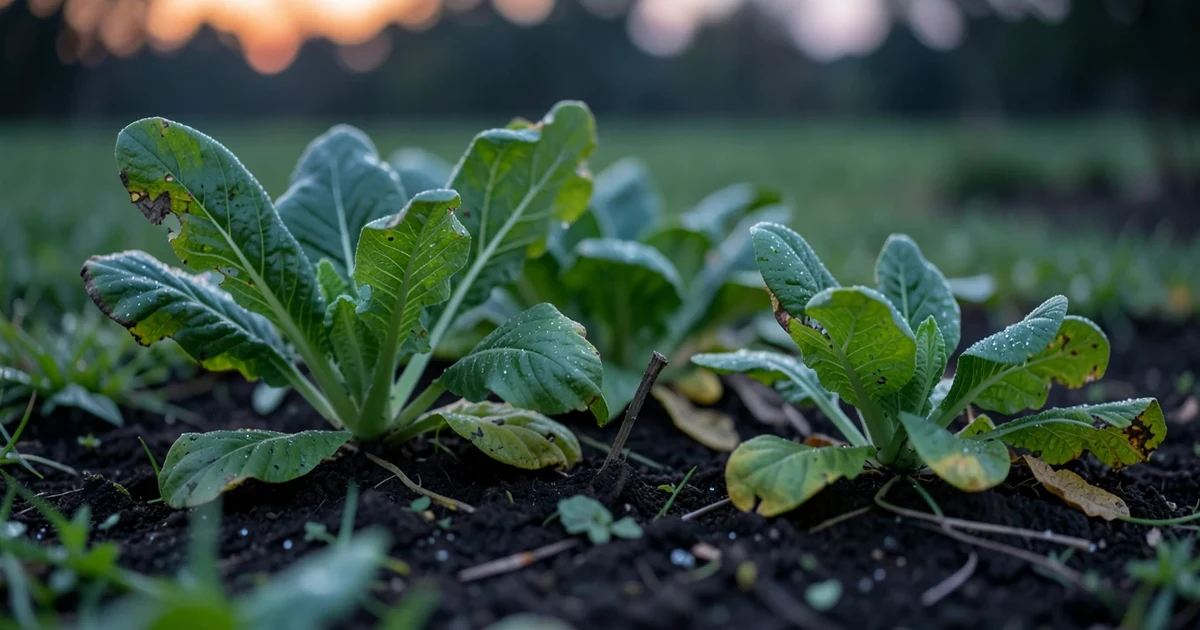
You will rarely catch the animal. You will always have the damage, and the damage is more specific than most people realise — chewing insects leave a signature because their mouthparts and their habits differ.
Read the shape first
| Damage | Culprit | Confirm by |
|---|---|---|
| Large ragged holes, mid-leaf | Slugs, snails | Silvery slime trails; damage overnight |
| Tiny round shot-holes, many | Flea beetles | Tiny beetles that jump when disturbed |
| Leaf reduced to a lace of veins | Japanese beetles | The beetles themselves, in daylight, in groups |
| Clean semicircular notches at the edge | Leafcutter bees, or weevils | Bee notches are perfectly smooth arcs |
| Whole leaves stripped to the stalk | Large caterpillars | Frass — dark pellets — on leaves below |
| Surface scraped, veins left, translucent patch | Slug rasping, or sawfly larvae | "Windowpaning" |
| Serpentine pale tunnels inside the leaf | Leaf miners | The tunnel widens as the larva grows |
| Edges rolled and stitched with silk | Leafrollers | Unroll one and look |
The overnight ones
If damage appears between dusk and dawn and there is nothing visible in daylight, the list is short.
Slugs and snails — ragged holes with irregular edges, often starting mid-leaf rather than at the margin, plus slime that catches the light in the morning. Worst on hostas, lettuce, seedlings and after rain. Go out with a torch two hours after dark and you will find them.
Cutworms — seedlings severed at soil level and left lying. Dig 2 cm down within a few cm of the stem and you will usually find a fat grey caterpillar curled into a C.
Earwigs — irregular holes plus damage to soft fruit and flowers. They hide in tight, dark places by day; a rolled newspaper or an upturned pot of straw is a reliable trap.
Deer and rabbits — damage well above the ground, and the tear is ragged because deer have no upper incisors and rip rather than cut. A rabbit leaves a clean 45-degree cut and works low.
The daylight ones
Japanese beetles feed in groups on the upper surface and skeletonise between the veins, leaving a lace. They aggregate on pheromone, so a few attract many. Hand-picking into soapy water in the early morning, when they are sluggish, works better than anything sprayed — and beetle traps make it worse by drawing more in than they catch.
Flea beetles produce dense small round holes, mostly on young plants, and jump when you approach. Brassicas, aubergine and radish take the worst of it. Row cover over young plants is the whole answer.
Cabbage worms — the green caterpillars of the white butterfly you have been watching all week. They match the leaf exactly, so look for the frass instead: dark green pellets in the crown of the plant.
Tomato hornworm strips entire branches overnight and is almost invisible against the stem despite being enormous. Find them by the frass, or at night with a UV torch — they fluoresce.
Damage that is not being eaten
Worth ruling out, because the treatments differ completely:
- Bacterial or fungal leaf spot where the dead tissue drops out leaves a hole with a distinctly discoloured margin. Chewing damage has clean torn edges with no halo. The tomato leaf spot guide works through this on the crop where it matters most.
- Hail produces tattering and torn strips, all on the upper surface, all at once.
- Wind shreds leaves along the length and abrades edges against neighbours.
- Herbicide distorts rather than removes tissue — see leaf curl direction.
Before you treat
Most chewing damage on an established plant is cosmetic. A plant can lose a substantial fraction of its leaf area without losing yield, and the insecticide that removes the caterpillar also removes the parasitic wasps that were about to.
The exceptions worth acting on are seedlings, where a single slug ends the plant; anything defoliated faster than it regrows; and vectors that carry disease, like cucumber beetles carrying bacterial wilt.
Which is the argument when not to spray makes at length: identify first, decide whether it matters second, and reach for a product third, if at all.
Problems referenced
Check these two things first
- Push a finger into the soil, two knuckles deep. Wet soil plus a wilting plant means too much water, not too little — and it is the commonest reason a plant is dying. Dry soil plus crisp leaves means the opposite. The leaves look nearly identical either way, so the soil is what tells you.
- Turn a damaged leaf over. Half of all diagnoses live on the underside: fuzz means downy mildew, fine webbing means spider mites, clusters of insects mean aphids. Nothing on the top of a leaf is as informative.
Most garden problems are cosmetic and resolve without treatment. Reach for a spray last, not first.
Keep reading
- When Not to Spray: Most Plant Problems Fix ThemselvesFungicides do nothing against pests, nutrients or watering faults — and most garden damage is cosmetic. A short guide to when treatment helps and when it just costs money.
- Leaves Curling Up or Curling Down? The Direction Tells You WhyCurling upward and inward is usually water stress or heat. Curling downward and outward points at overwatering, root damage or herbicide. Direction narrows it fast.
- Black Spots and Black Leaves: Six Different ProblemsBlack on a leaf can be fungal, bacterial, an insect by-product, cold damage or sunburn. The halo, the shape and whether it rubs off separate them.