

Do Brown Recluses Come Out During the Day?
By IdentifyThese Editorial · Reviewed · 3 min read
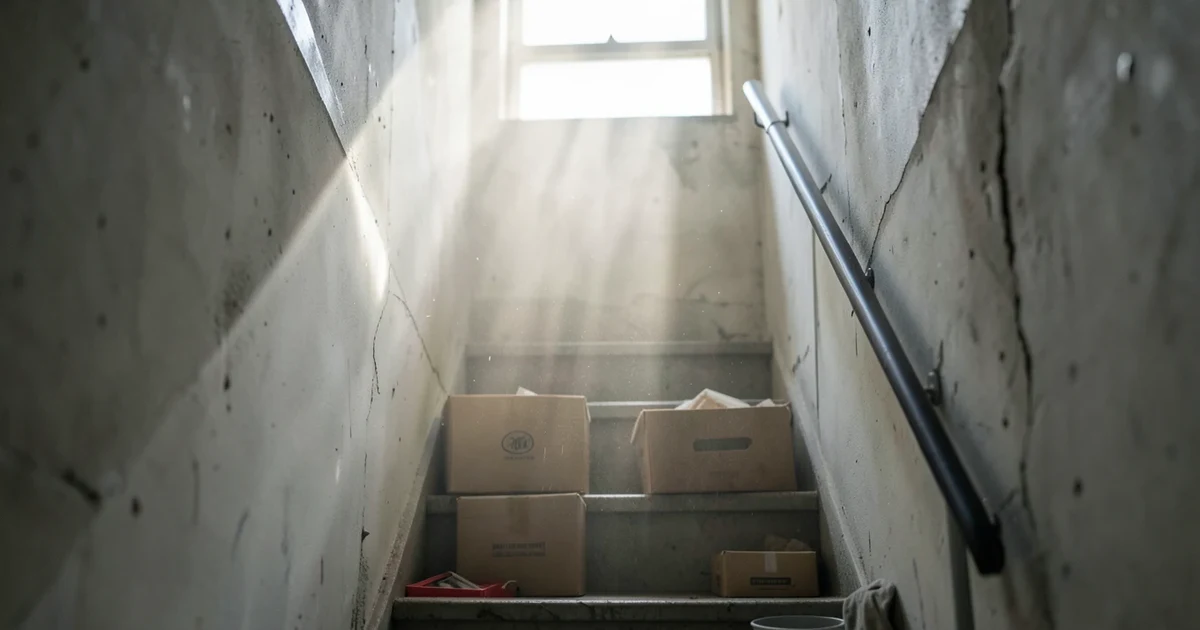
Brown recluses are nocturnal. Males wander at night looking for females; both sexes hunt after dark and spend daylight hours pressed into somewhere tight and undisturbed.
That is the short answer, and on its own it is not very useful — because most people who see one see it during the day, and want to know what that means.
Why you saw one at noon
Daytime sightings usually have a cause, and the cause is normally you.
- You moved the thing it was under. Lifting a box, shifting a woodpile, pulling clothing out of the bottom of a wardrobe. This is by far the most common.
- It was flushed by a change. Building work, a flood, a temperature swing, or an insecticide treatment elsewhere in the house.
- It fell. Recluses climb badly and get trapped in baths, sinks and buckets they cannot get out of. A spider in a bathtub in the morning has usually been there since the night before.
- It is dying. Sick and dying spiders behave abnormally, including wandering in the open.
A recluse strolling across open carpet at midday with no explanation is unusual. A recluse appearing when the box it was living in was moved is entirely normal.
What this means for bites
Almost all recluse bites happen when the spider is pressed against skin and cannot escape. In practice that means:
| Situation | Why it happens |
|---|---|
| Putting on clothing left on the floor | The spider sheltered in it overnight |
| Pulling on a shoe stored in a garage | Same |
| Rolling over in bed | Bedding stored under a bed, or against an outside wall |
| Reaching into a stored box | Hand meets spider in a confined space |
| Moving woodpiles or timber | Classic outdoor harbourage |
None of these require the spider to be active. A recluse tucked into a shirt sleeve at two in the afternoon will bite if you put the shirt on, exactly as it would at midnight.
The practical precautions
They are dull, and they work.
- Shake out clothing and shoes that have been on the floor, especially in a garage or basement.
- Keep beds away from walls, and do not store anything underneath them.
- Wear gloves when handling boxes, timber or anything that has sat undisturbed.
- Move stored cardboard into sealed plastic tubs — it is the single best harbourage removal.
What "nocturnal" does and does not predict
It predicts when the spider chooses to move. It does not predict when you will meet one, because most meetings are not the spider's choice.
This distinction matters because the nocturnal label gets used to reassure people during the day and alarm them at night, and neither is right. The risk profile of a house does not swing between noon and midnight. It is set by how much undisturbed harbourage there is, how much of your clothing and bedding touches the floor, and whether recluses live in your region at all — none of which changes with the clock.
A related question people ask is whether they are fast. They are quick over short distances when disturbed, but they do not chase, and they retreat from open space rather than crossing it. A spider running at you is not behaving like a recluse.
If you are seeing them repeatedly
Repeated daytime sightings suggest a population rather than a wanderer, and that is worth measuring rather than guessing about. Sticky traps left down for a month will tell you. What an infestation actually looks like.
And the first question of all
Whether recluses live where you are. Most of the country is outside the established range, and outside it the spider on your floor at noon is almost certainly one of the six common lookalikes — several of which are genuinely more active in daylight than a recluse ever is.
If you think you were bitten
- Most suspected spider bites are not spider bites. Studies of patients presenting with a “spider bite” repeatedly find that the large majority are bacterial skin infections — frequently MRSA — which need antibiotics rather than reassurance. A spreading, painful, pus-filled sore is far more likely to be an infection than a spider.
- Wash it, ice it, and watch it. Clean the area with soap and water, apply a cold pack, and keep an eye on it.
- Get medical care if the wound spreads or darkens, if you develop cramping, sweating, fever or severe abdominal pain, or if you are confident it was a widow or a recluse.
- Bring the spider only if it is already dead and to hand. Do not go looking for it. Doctors treat symptoms, not species.
In the US, the Poison Help line is 1-800-222-1222. This site is a reference, not medical advice.
Keep reading
- What a Brown Recluse Infestation Actually Looks LikeOne spider is not an infestation. Here is what a genuine population looks like, how to find out with sticky traps, and what the numbers in real houses actually are.
- How to Know If It Really Is a Brown RecluseSix eyes in three pairs, uniform tan legs, and no pattern anywhere. The violin is the feature everyone checks first and the least dependable one on the animal.
- How Long Do Brown Recluse Bite Symptoms Take?Most bites cause a red mark and nothing more. The minority that develop a lesion follow a recognisable timeline, and the first few hours look unremarkable.