

A Bird Hit My Window. What Now?
By IdentifyThese Editorial · Reviewed · 3 min read
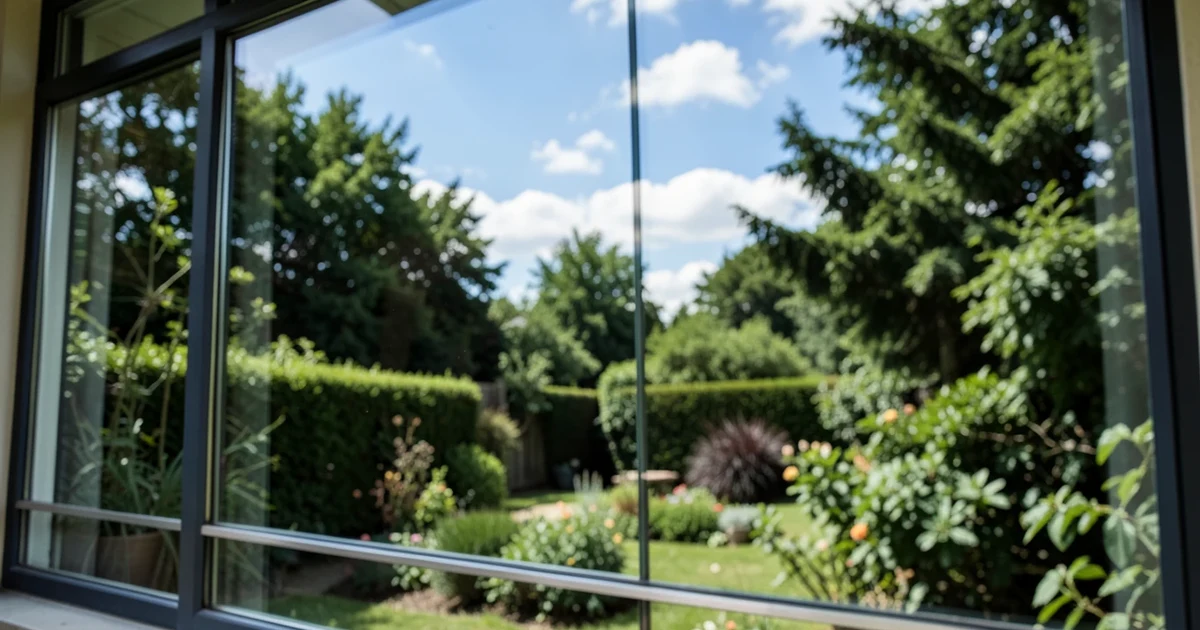
Between a hundred million and a billion birds a year die hitting windows in North America. It is one of the largest human causes of bird death, and it is among the most fixable.
Right now
Put it somewhere dark and quiet.
- A cardboard box with air holes, lined with a soft towel or kitchen paper.
- Lid on. Darkness is what calms a bird — it is the single most useful thing you can do.
- Somewhere quiet, away from people and pets, indoors at room temperature.
- Leave it alone. Do not check every few minutes. Do not handle it. Handling is a serious stressor for a wild bird and can kill one that would otherwise have recovered.
- Wait one to two hours.
Then take the box outside, put it on the ground, open the lid and step well back. A recovered bird leaves immediately.
What not to do
- No food or water. A concussed bird cannot swallow properly and can aspirate. This is the most common well-meant mistake.
- No warming on a radiator. Room temperature is right.
- Do not hold it to comfort it. It does not read as comfort.
- Do not put it back on the ground where it landed, which is where cats find it.
If it does not recover
If after two hours it cannot stand, holds a wing oddly, has a visibly injured eye, or is bleeding, it needs a licensed wildlife rehabilitator. Search for one in your state or province — most areas have one, and they will tell you over the phone whether to bring it in.
Keep it boxed and quiet while you find out. In the United States, handling most native birds without a permit is regulated under the Migratory Bird Treaty Act, which is another reason to hand it on rather than attempt care yourself.
Why it happened
Birds do not see glass. They see what the glass reflects — trees, sky, the garden behind them — and fly into it at full speed.
Two situations account for most strikes:
Reflection. A window reflecting vegetation or sky looks like open flight path. This causes the majority of daytime collisions and is worst on large panes, glass corners and anything facing a garden.
Pass-through. Two windows in line, or a glass door with a view straight through, reads as a gap to fly between.
Panic adds to both: a Cooper's hawk arriving at a feeder scatters everything at speed, and windows nearby take the strikes.
Fixing it, properly
The pattern has to be on the outside of the glass. This is the part almost everyone gets wrong. The reflection forms on the outer surface, so a decal stuck inside is behind the mirror and does nothing.
Spacing matters more than the design. Birds will try to fly through any gap they think they can fit through. The working rule is no gap larger than about 5 cm in any direction. A single hawk silhouette in the middle of a large window does essentially nothing, and it is the most-sold product in this category.
What works:
- External dot or stripe patterns at 5 cm spacing — tape products designed for this, or hand-applied dots.
- Paracord curtains — lengths of cord hung 10 cm apart down the outside of the glass. Cheap, very effective, and barely visible from inside.
- External insect screens, which both break the reflection and cushion any impact.
- Tempera paint or soap marked in a grid on the outside. Free, and it works.
- Etched or fritted glass if you are replacing windows anyway.
Feeder placement
Counterintuitive but well supported: put feeders either within about a metre of the glass or more than about ten metres away.
Very close means a bird leaving the feeder cannot build up enough speed to injure itself. Far away means it is unlikely to head for the window at all. The middle distance is the dangerous zone, and it is where most people put them.
Why it is worth doing
Window strikes kill far more birds than the things people usually worry about, and unlike almost every other threat to birds it is one an individual household can eliminate outright, on one afternoon, for very little money.
Species referenced
Keep reading
- Where Did My Goldfinches Go?They are still there. American goldfinches moult out of the yellow into a drab olive-buff and keep visiting the feeder unrecognised.
- Start With the Bill, Not the ColourColour is what everyone reaches for and the least reliable character a bird has. Bill shape follows diet, does not change, and eliminates far more of the list.
- Which Black Bird Is That?Four common black birds, none closely related to the others, and shape separates them faster than colour ever will.