

Guides
Each guide answers one question completely, using features you can check on the specimen in front of you.
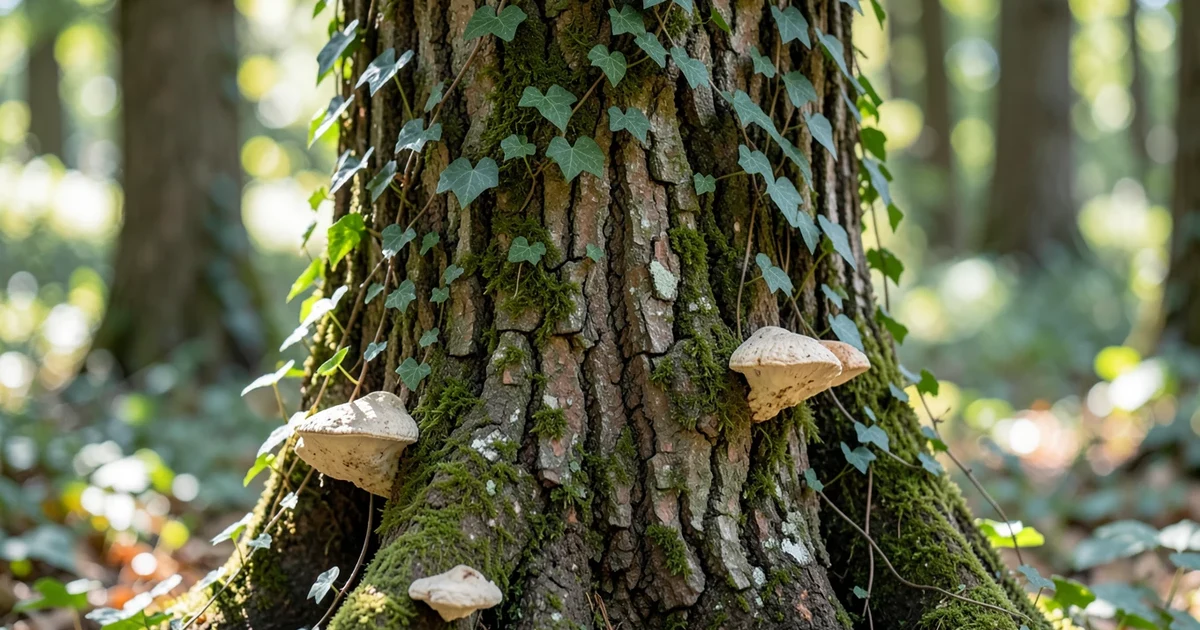
Mushrooms Growing on My Tree: What That Means
A fruiting body on a living trunk means the fungus has been inside the wood for years. The position on the tree tells you which part is affected.
4 min read
Oyster Mushrooms and the Three Things That Look Like Them
Decurrent gills, an off-centre stem or none, and growth in shelving clusters on wood. Two lookalikes are poisonous and one is merely disappointing.
3 min read
Honey Fungus or Deadly Galerina? The Spore Print Decides
Both are small brown clustered mushrooms on wood. One is edible cooked; the other contains the same toxins as a death cap. The spore print separates them.
3 min read
Chanterelle or Jack-O'-Lantern? Try to Peel a Gill
A chanterelle has blunt forking ridges that cannot be separated from the flesh. A jack-o'-lantern has true blade-like gills, grows on wood, and will make you very ill.
3 min read
Morel or False Morel? Cut It Lengthwise
A true morel is completely hollow from cap tip to stem base, and its cap is attached at the bottom. A false morel is neither, and it is genuinely dangerous.
3 min read
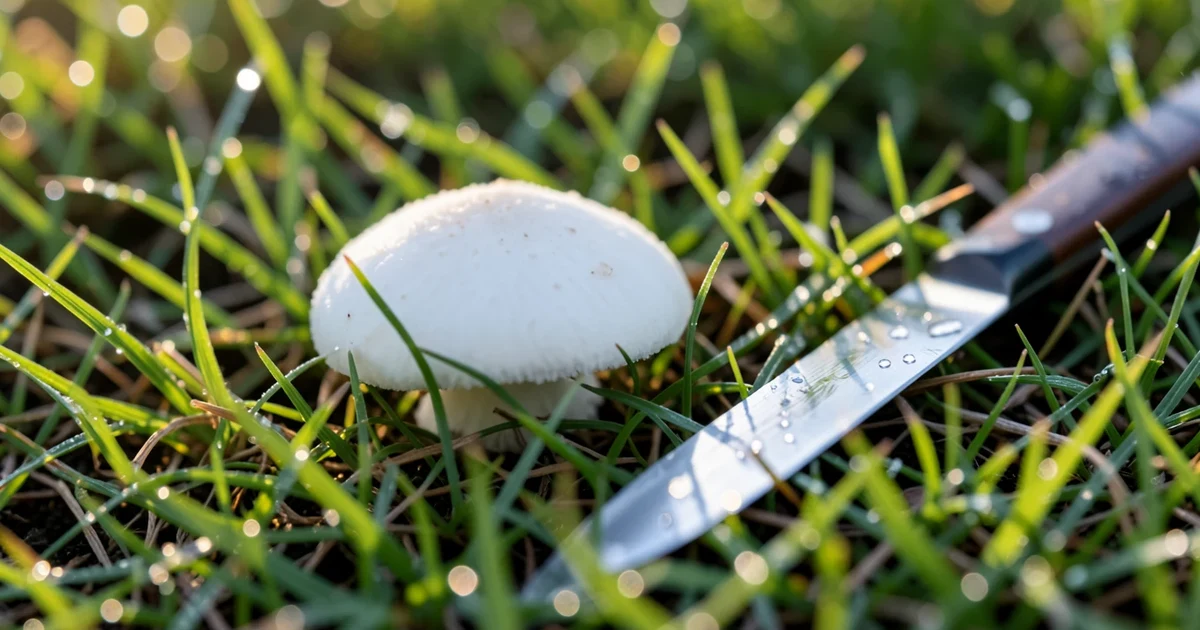
Puffball or a Young Amanita? Cut It in Half
A young deadly Amanita in its egg stage looks exactly like a puffball from outside. One cut, lengthwise, settles it — and there is no substitute.
3 min read
The Death Cap: The One Worth Learning First
One species accounts for most fatal mushroom poisonings worldwide. It is unremarkable to look at, and that is the problem.
3 min read
The Parts of a Mushroom You Have to Check
Six features carry nearly all identification, and two of them are commonly destroyed by the way people pick. Here is what each one is and why it matters.
3 min read
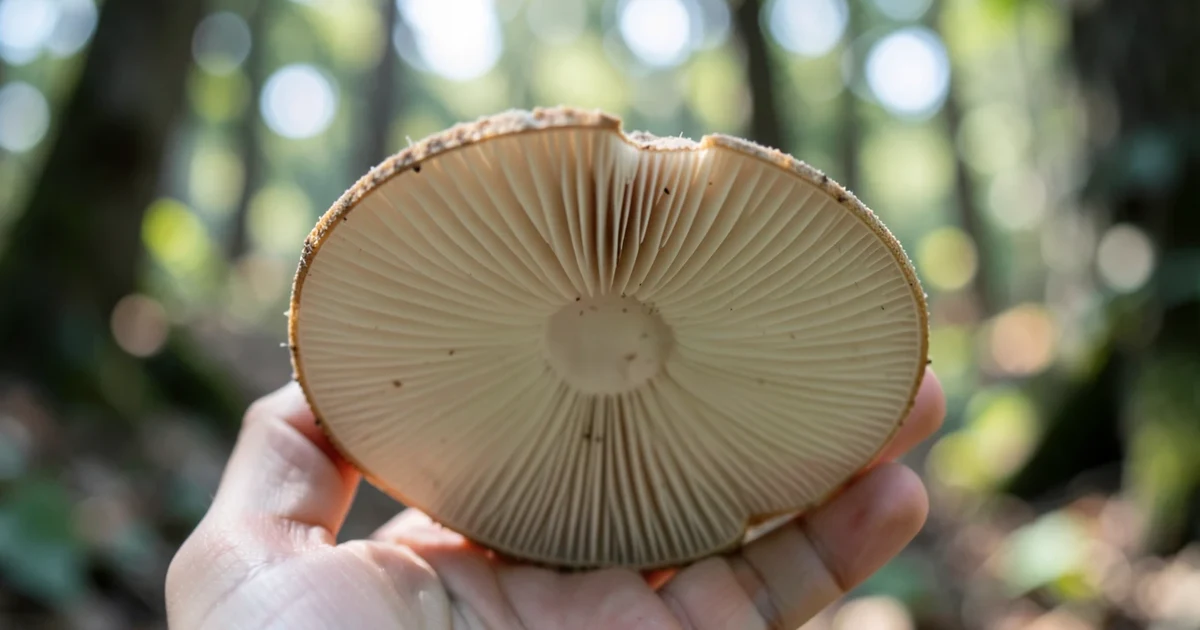
Gills, Pores or Teeth? The First Question
What is under the cap splits the fungi into groups before anything else. It also decides how much trouble a mistake can cause.
3 min read
The White Mushrooms in Your Lawn: What They Usually Are
White is the colour the deadly Amanitas share with several harmless lawn species. What separates them, and the one feature that is almost always underground.
3 min read
Mushrooms in the Lawn: What They Mean and Whether to Remove Them
They mean buried wood and a working soil, not a sick lawn. Why mowing spreads them, what actually reduces them, and when they are worth removing anyway.
3 min read
Are the Mushrooms in My Yard Poisonous to Dogs?
Some are, and dogs eat them more readily than people expect. What to do in the first hour, which species actually kill dogs, and why waiting for symptoms is the mistake.
3 min read
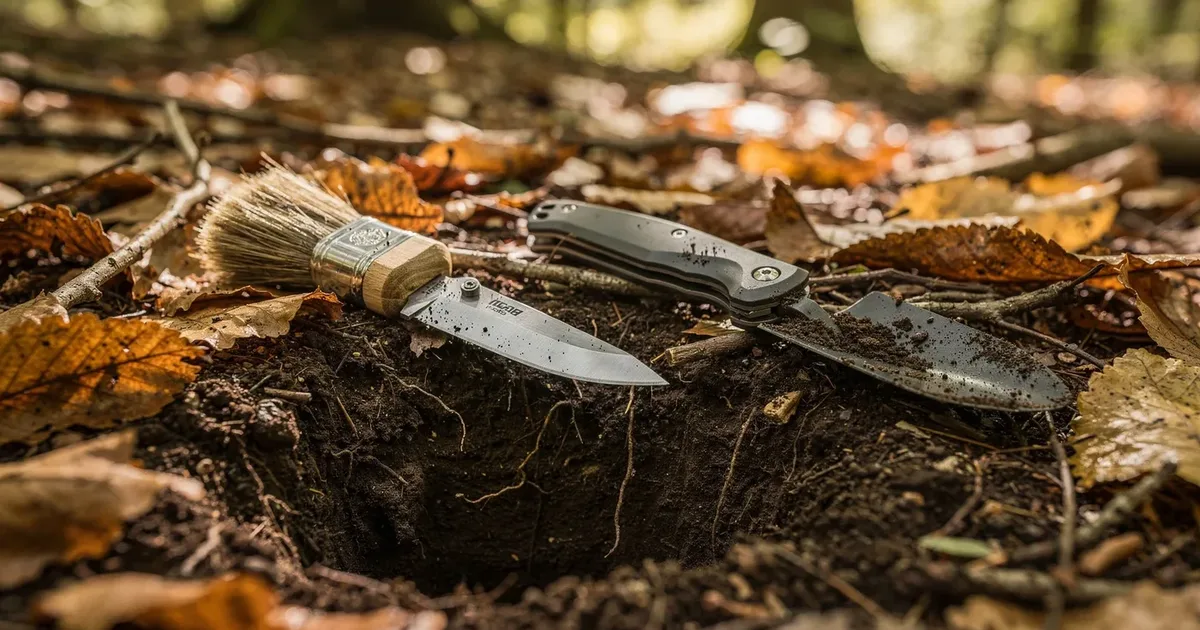
The Amanita Check: Dig It Up, Every Time
Most fatal mushroom poisonings are one genus. Two features identify it, one is usually underground, and pulling the mushroom rather than digging destroys the evidence.
3 min read