
Guides
Each guide answers one question completely, using what you can see on the twig in your hand.
Maple or Sycamore? Look at the Bark, Not the Leaf
Both have big lobed leaves and both are everywhere. The leaves are genuinely similar; the bark and the seeds are not, and either settles it in seconds.
3 min read
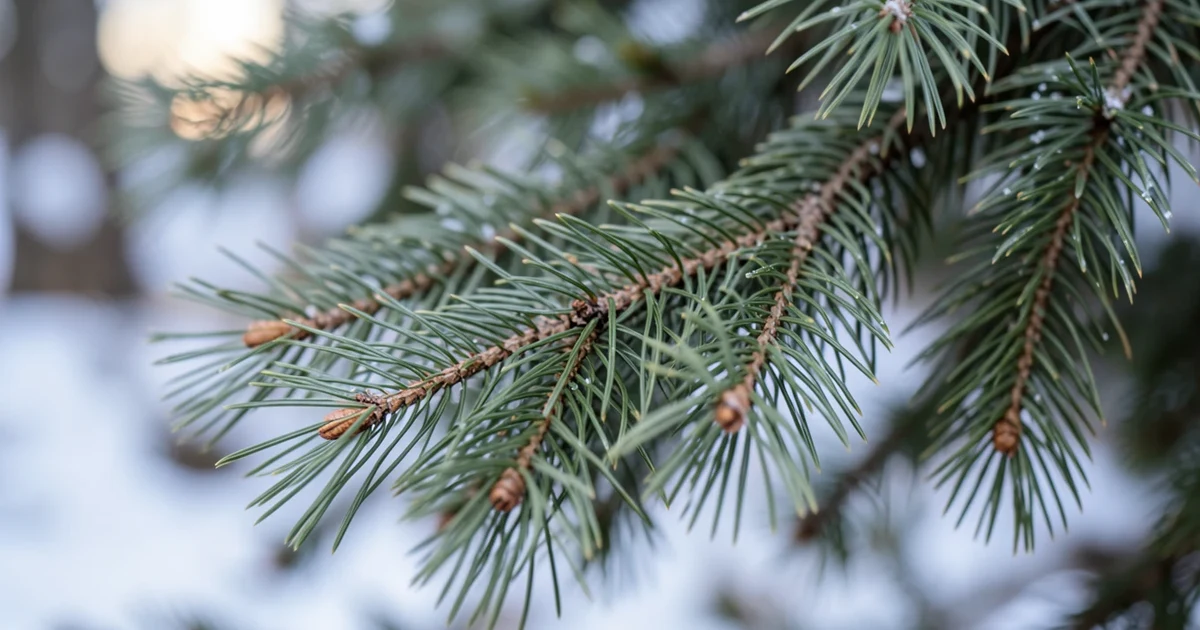
Pine, Spruce or Fir? Start With How the Needles Attach
Needles in bundles means pine. Single needles that roll between your fingers means spruce; flat ones that will not roll means fir. Three seconds, no guide needed.
3 min read
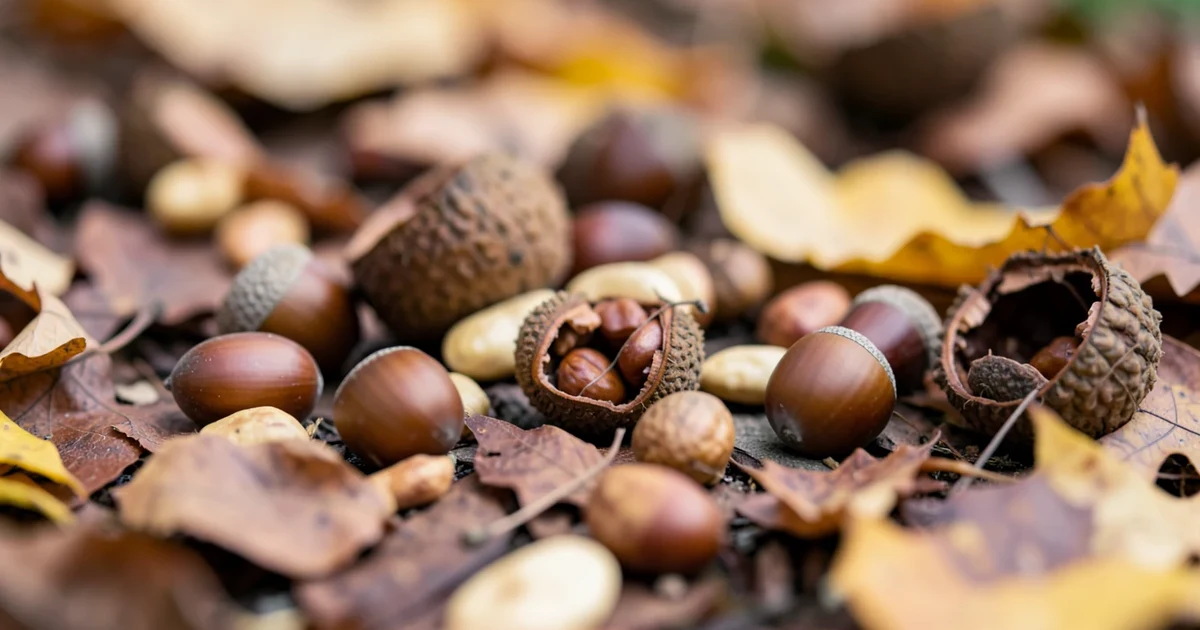
What Tree Did This Nut Come From?
Nuts and their husks are the most specific thing a tree drops. A dozen types cover almost everything you will find on the ground in eastern North America.
4 min read
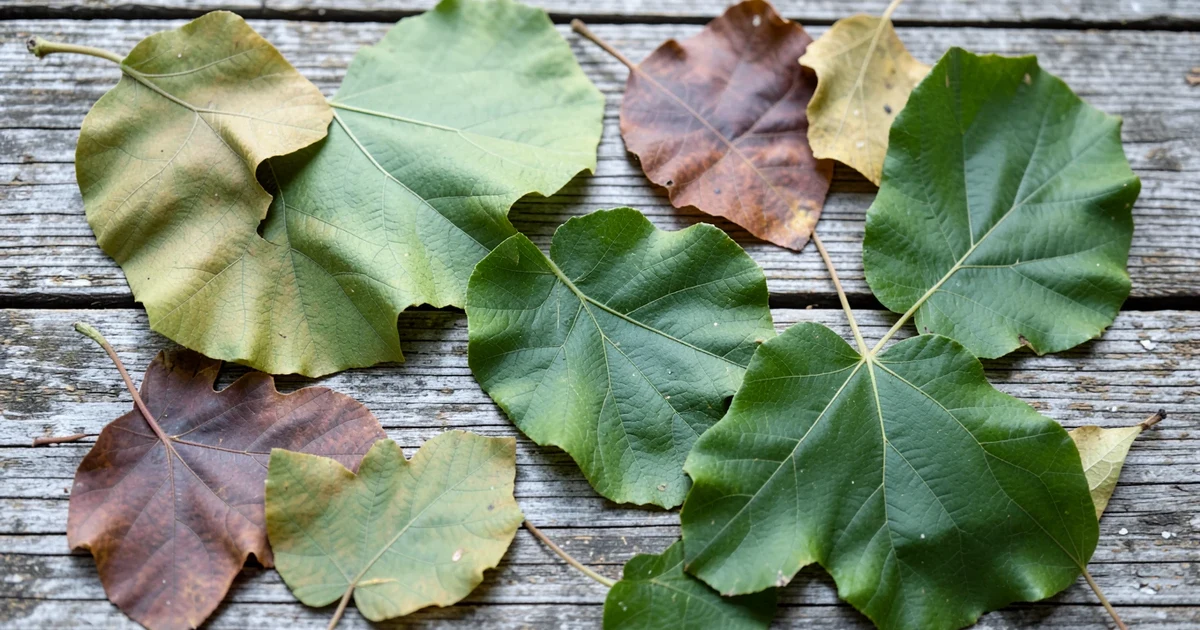
Leaf Shape, Properly: Lobed, Toothed, Entire
Every tree key asks whether the margin is lobed, toothed or entire, and whether the leaf is simple or compound. Here is what those four words actually mean.
3 min read
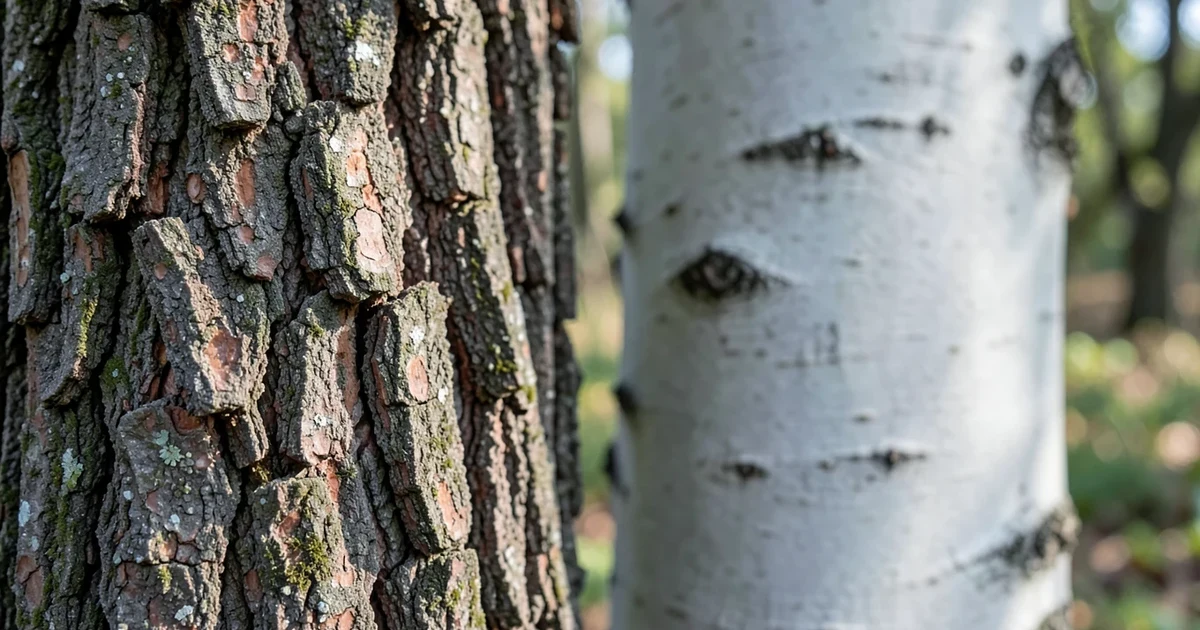
Identifying a Tree by Its Bark
Bark changes with age, which is why most bark guides fail. Work with texture, direction and colour under the surface rather than matching a photograph.
3 min read
Opposite or Alternate? The Question That Halves the Answer
Only a handful of North American trees have opposite leaves. Checking this first eliminates most species in seconds — here is how to read it, and the mnemonic that lists them.
3 min read