

Guides
Each guide answers one question completely, using checks you can make in seconds on the water.
Dating Ceramics by the Foot and the Glaze
Turn the piece over. The unglazed foot rim records how it was made and fired, and that changes by period in ways a decorated surface does not.
3 min read
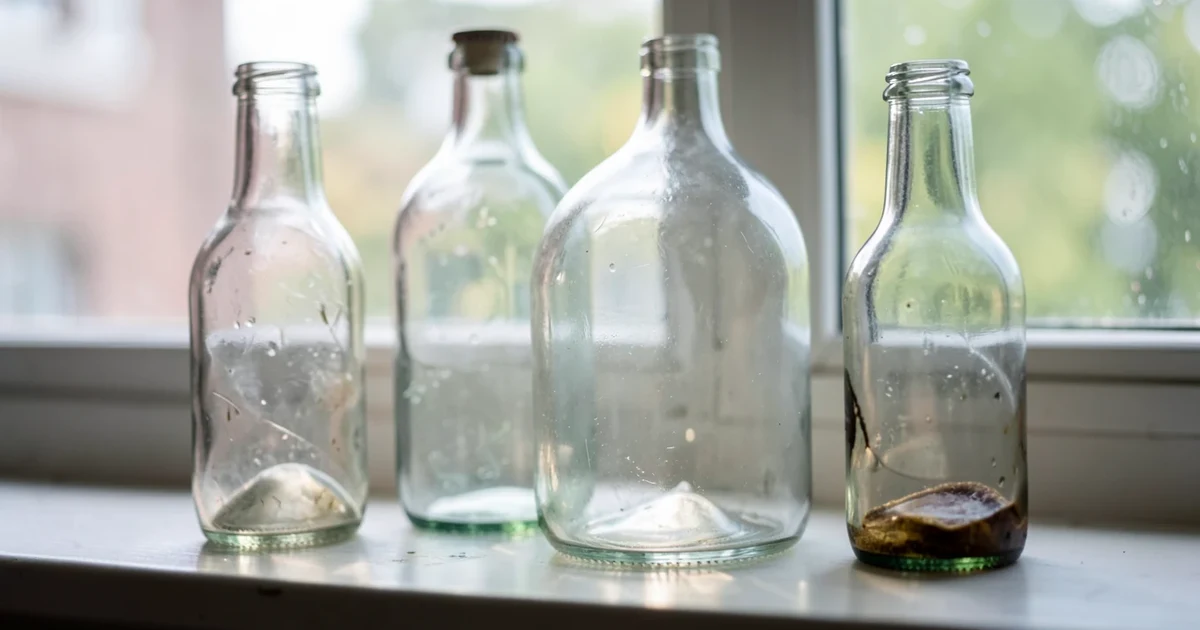
Dating Glass by the Seam and the Base
The seam records how a bottle was made, and manufacturing method has a known chronology. Follow it up from the base and the date follows.
3 min read
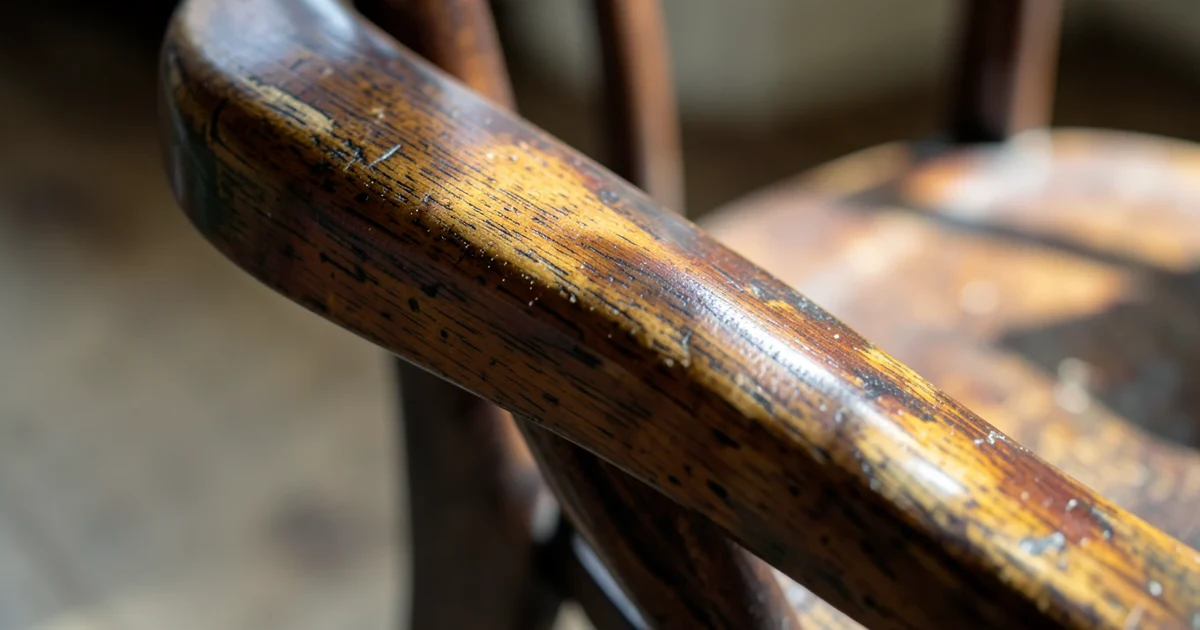
Reading an Object's History From Its Wear
Wear records how an object was used. It is the hardest thing to fake convincingly and the most informative thing on most pieces.
3 min read
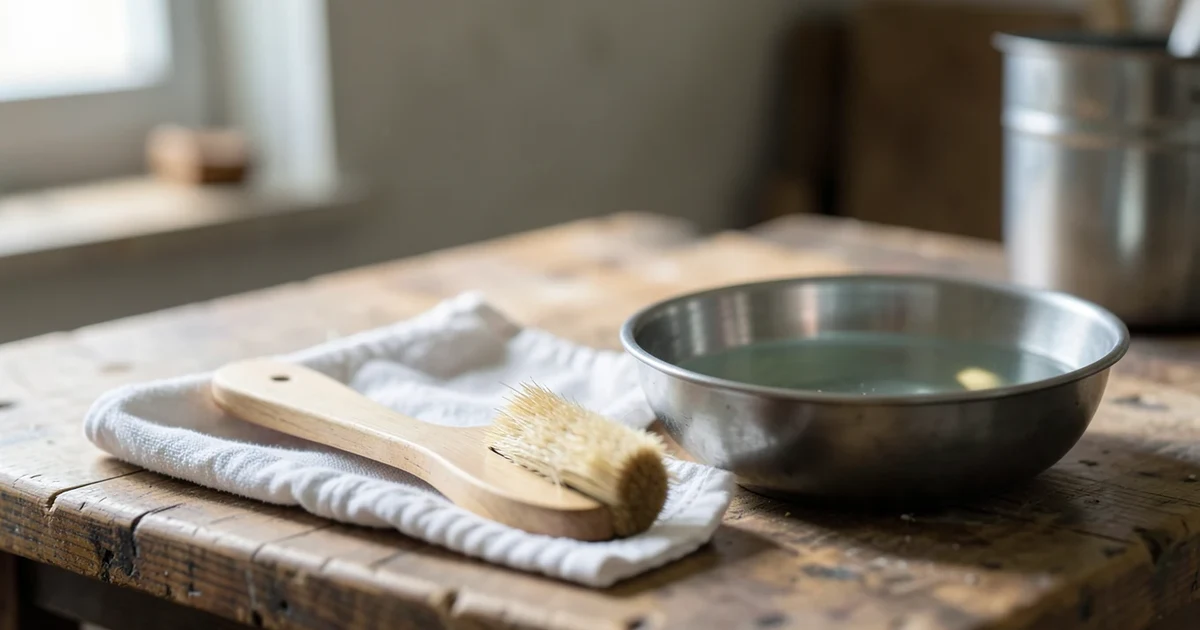
What Not to Clean
Polishing silver, stripping furniture and scrubbing coins all remove value permanently. The safe rule is stabilise, do not restore.
3 min read
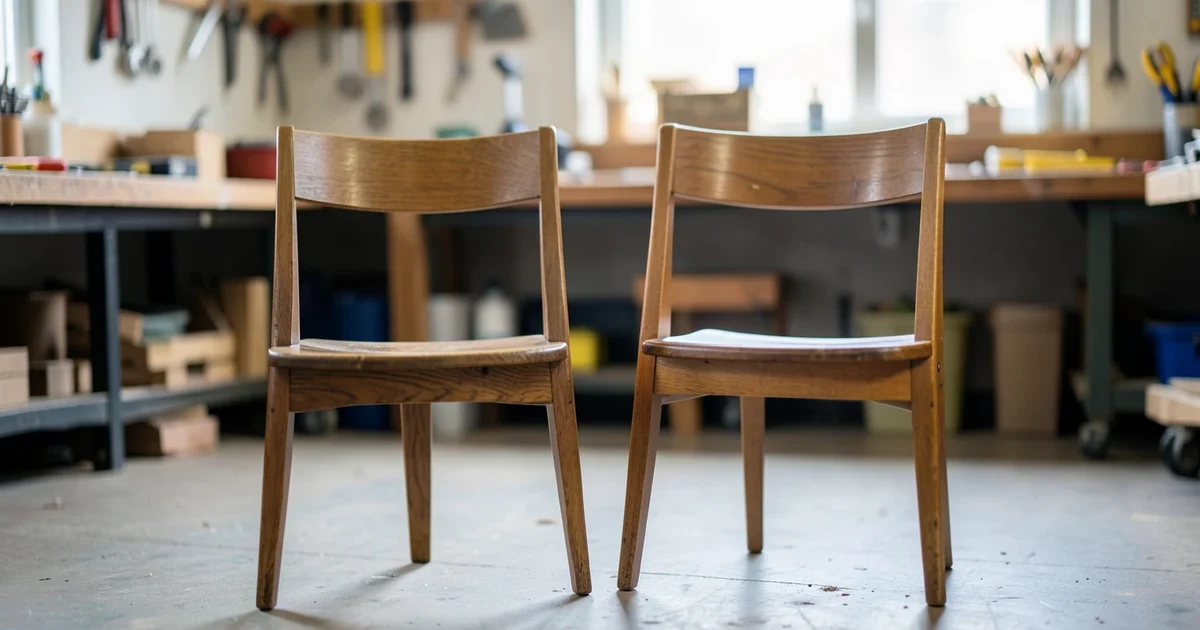
How Reproductions Give Themselves Away
Wear in the wrong places, uniformity where there should be variation, and materials that did not exist yet. Fakers concentrate on the front.
3 min read
The Marks That Date an Object Exactly
Most marks give a rough period. Four kinds give a precise year, and they are worth learning because they end the argument.
3 min read
Is My Antique Valuable? Probably Less Than You Hope
Age contributes very little. Condition, originality, maker and demand do almost all of it, and most nineteenth-century objects were made in enormous numbers.
3 min read
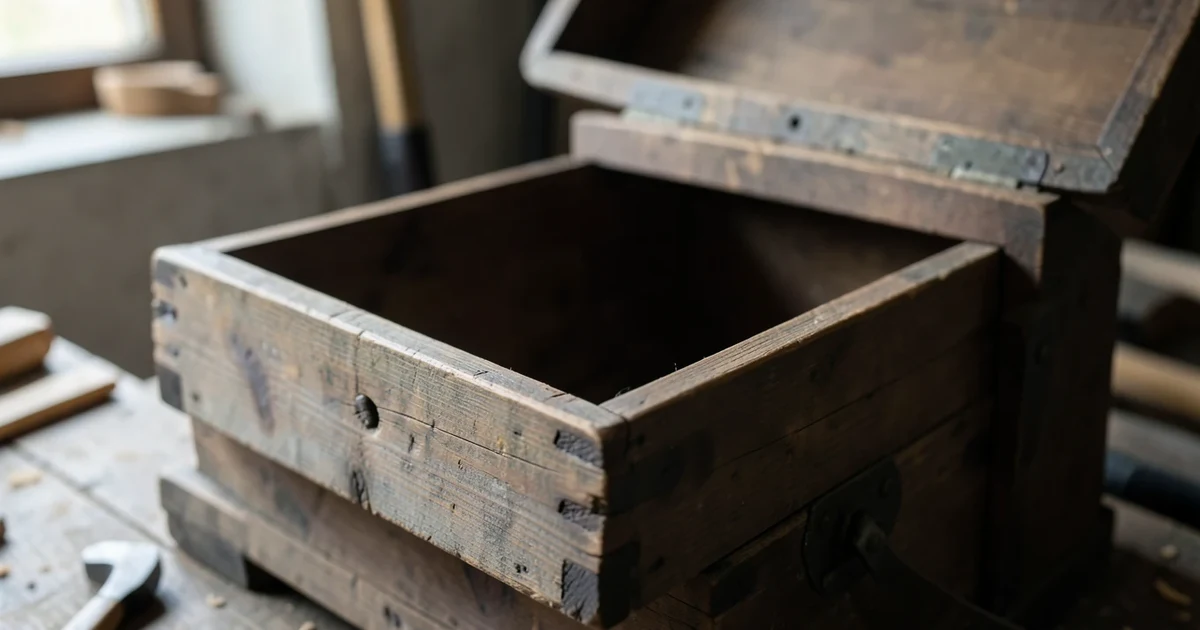
Dating Furniture in Five Checks
Pull out a drawer, look at the back, check the screws. Construction evidence dates a piece; style does not, because style is copied continuously.
3 min read